
Pouring a new concrete driveway, patio, or warehouse floor is a significant investment in your property. Seeing that smooth, pristine surface eventually develop unsightly fractures can be highly frustrating. A crack in your concrete is not merely a cosmetic flaw; it is a vulnerability that can lead to severe structural degradation over time.
Understanding how concrete behaves is the first step toward maintaining its longevity. Concrete is strong and durable, but it lacks flexibility. When stress builds up, the material relieves that pressure by breaking. Fortunately, proactive maintenance can stop these minor imperfections from turning into massive repair bills.
This guide explains the science behind concrete fractures, the importance of planned control joints, and the professional methods used to restore your surfaces. By the end of this post, you will know exactly how to protect your property and extend the lifespan of your concrete flatwork.
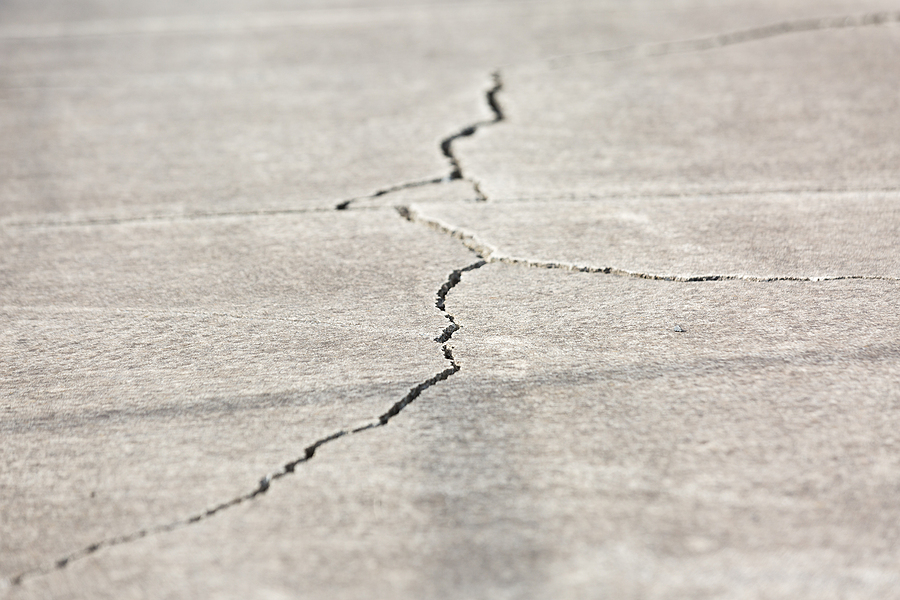
Understanding Why Concrete Cracks: Common Causes
Concrete is built to last, but several environmental and physical factors constantly test its limits. Recognizing these triggers helps you understand why maintenance is an ongoing necessity rather than a one-time fix.
Moisture and Shrinkage
As newly poured concrete cures, the water inside the mixture slowly evaporates. This drying process causes the concrete slab to shrink slightly. Because the slab is rigid, this shrinkage builds internal stress, eventually causing the concrete to pull apart.
Temperature Fluctuations
Concrete expands when it gets hot and contracts when it cools down. If the slab does not have room to accommodate this thermal movement, the resulting tension will force the material to split. Furthermore, water that seeps into existing pores can freeze during the winter. As water turns to ice, it expands by about nine percent, acting like a wedge that forces the concrete apart from the inside.
Soil Movement and Settling
The ground beneath your concrete is rarely static. Soil can wash away during heavy rains, or compress under extreme weight. When the subgrade loses its stability, the heavy concrete above it loses support. The slab will eventually bend and crack under its own weight.
What is Joint Control and Why is it Necessary?
Since concrete will inevitably experience stress, contractors use a technique known as joint control to manage where the breaks occur. A control joint is essentially a planned, straight crack. During the expansion joint control installation process, professionals cut lines into the slab at specific intervals. These cuts create weakened lines across the surface. When the concrete inevitably shrinks or experiences thermal stress, it cracks down inside these pre-cut lines rather than forming random, jagged webs across the face of your driveway or floor.
Proper joint control keeps your concrete looking neat and structurally sound. However, these joints still need to be sealed. Leaving control joints open allows water, dirt, and chemicals to penetrate the slab and damage the subgrade beneath it.
The Process: How Professional Crack Filling Works
Repairing concrete requires more than simply pouring a liquid sealer over the damaged area. Professional contractors follow a precise methodology to ensure the repair is watertight, flexible, and permanent.
Step 1: Surface Preparation and Cleaning
A successful repair depends entirely on the preparation. Professionals start by routing out the crack using a diamond-blade grinder. This opens up the fracture, creates smooth edges, and provides a wider surface area for the new filler to grip. After routing, the technicians use high-pressure air and wire brushes to remove all dust, loose gravel, and debris. The cavity must be completely clean and dry before any material is applied.
Step 2: Choosing the Right Filler Material
Not all concrete fillers are created equal. Rigid patching compounds might look fine initially, but they will quickly fail when the concrete shifts again. Professionals typically use high-grade polyurethane or polyurea sealants. These advanced elastomers remain flexible after they cure. This flexibility allows the filler to stretch and compress right alongside the concrete during extreme temperature changes, keeping the seal completely watertight.
Step 3: Application and Finishing Touches
Once the surface is ready, the technician injects the flexible sealant deep into the cavity, filling it from the bottom up to prevent trapped air pockets. For deeper control joints, a foam backer rod is often inserted first to support the sealant and control the depth. After the material is applied, it is carefully scraped and leveled flush with the surrounding concrete. This creates a smooth, safe, and visually appealing finish.
Benefits of Timely Concrete Repair
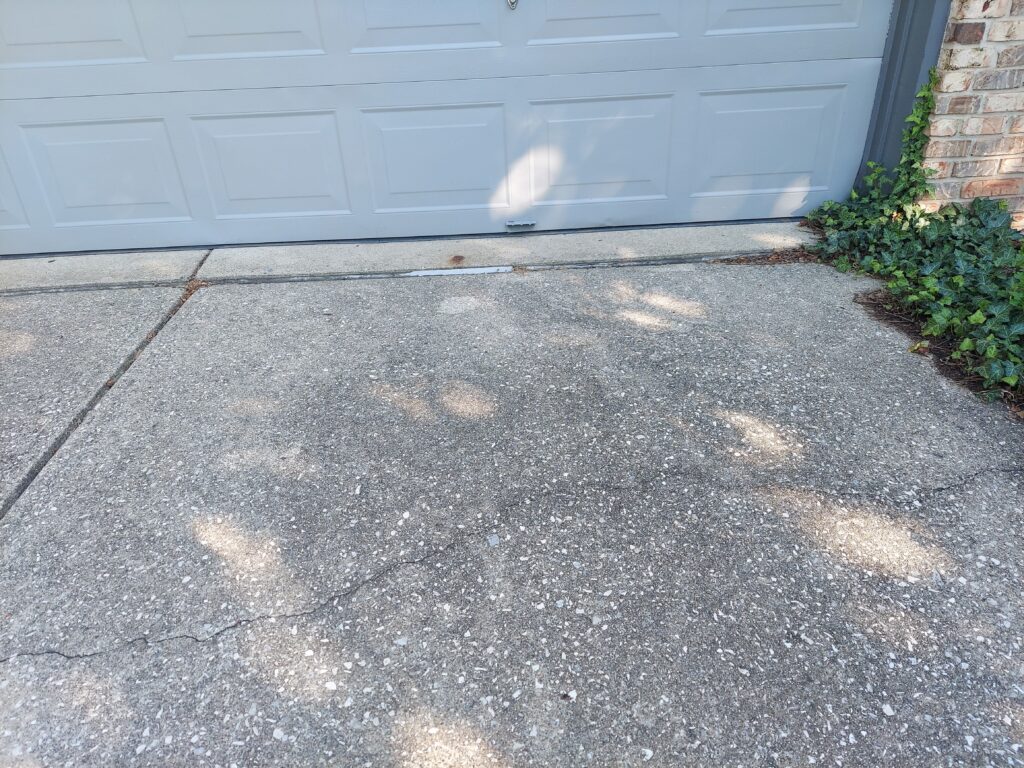
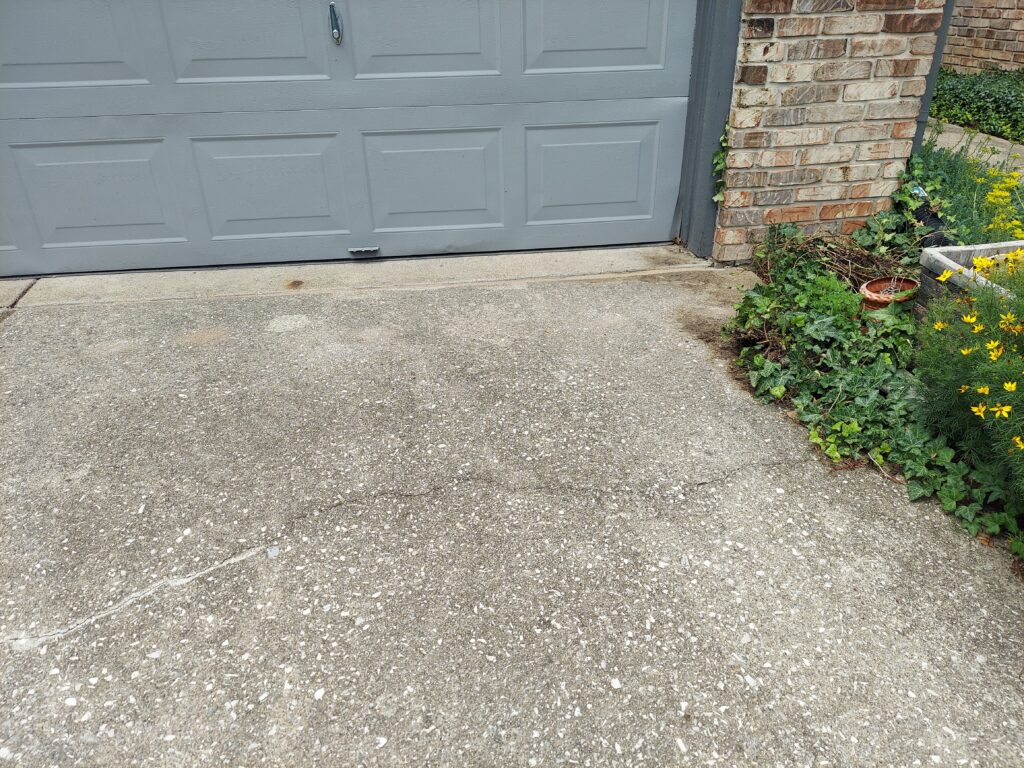
Addressing concrete damage as soon as it appears is a wise financial decision. Small fissures only grow wider, deeper, and more expensive to fix over time. Sealing these vulnerabilities immediately stops water infiltration, which is the leading cause of subgrade erosion and freeze-thaw damage. It also prevents weeds from taking root in the crevices, as plant roots can physically push concrete apart. Furthermore, a smooth, well-maintained surface eliminates trip hazards, protecting you from potential liability issues on your property.
Frequently Asked Questions (FAQ)
Can I fill concrete cracks myself with products from the hardware store?
While DIY products are widely available, they are usually temporary fixes. Store-bought caulk often lacks the industrial-grade flexibility needed to survive harsh weather, and homeowners rarely have the proper routing equipment to prepare the crack adequately. Professional applications last much longer.
How long does professional concrete filler last?
When applied correctly using high-quality polyurethane or polyurea, professional crack and joint fillers can last anywhere from five to ten years, depending on traffic levels and weather conditions.
What is the difference between a random crack and a control joint?
A random crack is an uncontrolled break caused by stress, settling, or freezing. A control joint is a straight, intentional cut made by contractors to force the concrete to crack in a neat, manageable line.
Preserving Your Concrete Investment
Your concrete surfaces carry a heavy load, literally and figuratively. By understanding the causes of structural stress and implementing proactive joint control and crack filling, you can save yourself from the massive expense of a complete concrete replacement. Do not let minor fractures compromise the safety and beauty of your property. Take action to seal and protect your flatwork today.
If you want your driveway, patio, or commercial floor to survive the local climate, expert maintenance is essential. Our experienced technicians can evaluate your property, clean out failing joints, and apply flexible, long-lasting sealants that protect your investment. Contact us today to schedule your professional concrete crack filling and joint control service in Indianapolis.
Related Post: Stop the Spread: A Guide to Concrete Crack Filling and Joint Control