
A small crack in your driveway or patio might seem harmless. But left untreated, that same crack can quietly grow into a costly structural problem—one that’s far more expensive and disruptive to fix than it ever needed to be. This post covers why concrete damage escalates quickly, what warning signs to watch for, and when it’s time to call in a professional.
Concrete is tough. It’s one of the most durable building materials on the planet. But it isn’t indestructible, and it doesn’t stay still. Temperature swings, moisture, and the weight of daily use all work against it over time. For homeowners and property managers in Indianapolis, Indiana—where winters are cold, wet, and unforgiving—that deterioration happens faster than most people expect.
The good news? Early action keeps repair costs manageable. The problem is, most people don’t act until the damage is already serious.
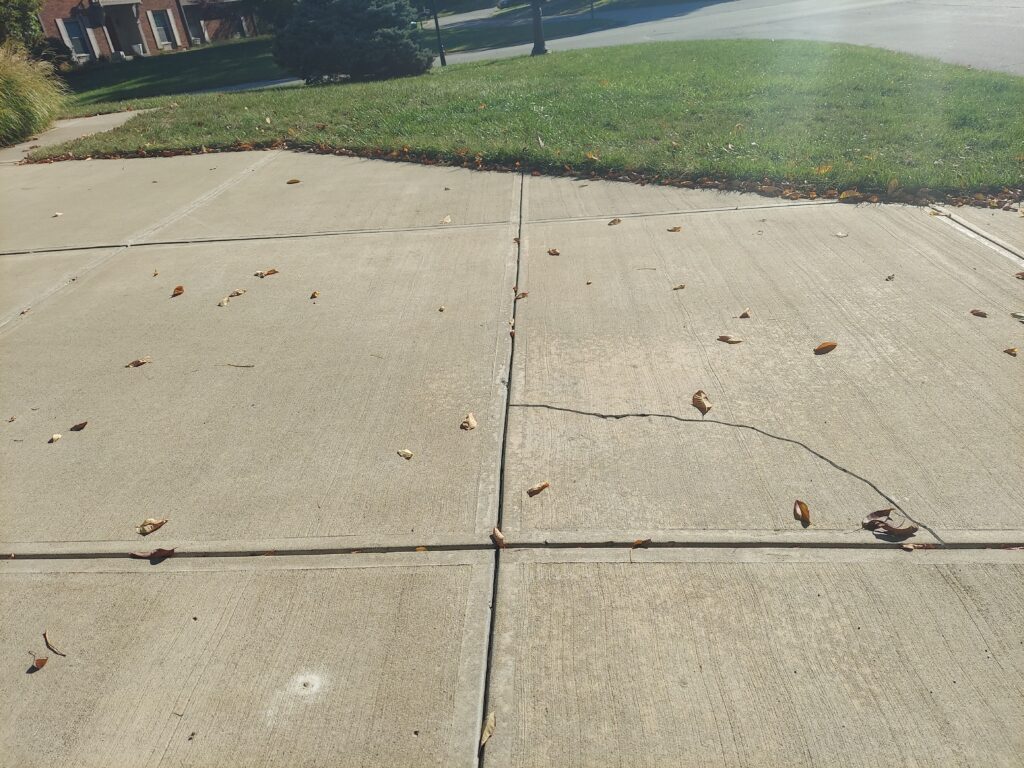
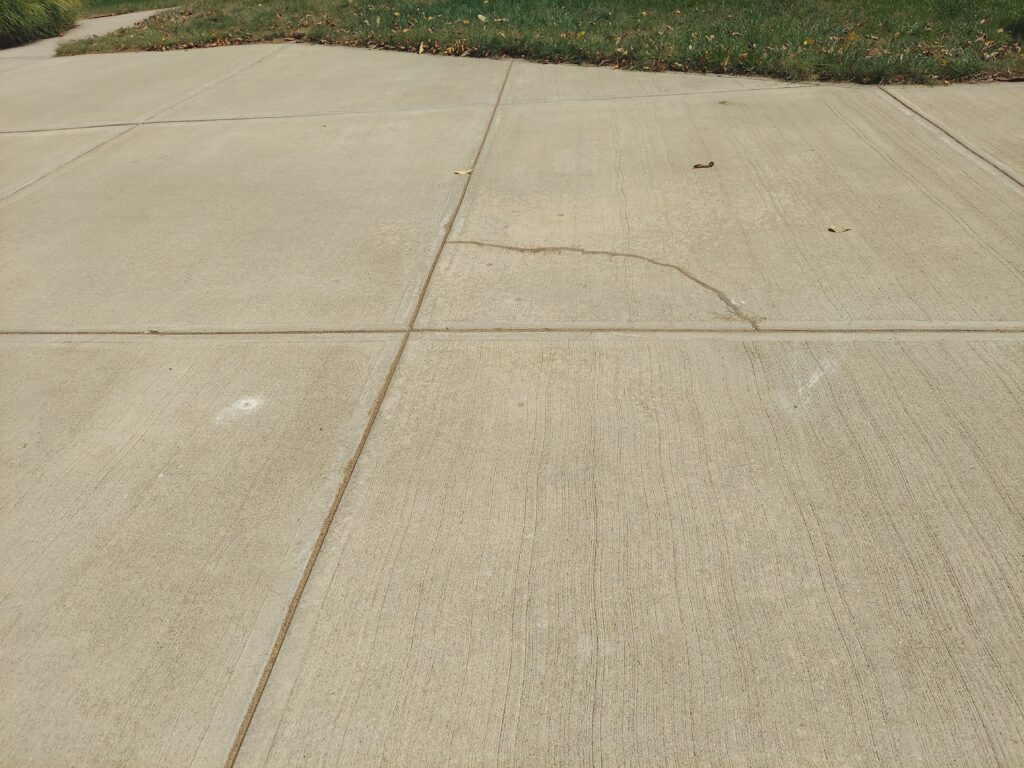
Why Concrete Cracks Spread Faster Than You Think
Concrete doesn’t crack all at once. The process is gradual—and that’s exactly what makes it so easy to ignore.
How Water Infiltration Accelerates Damage
Water is the primary driver of concrete deterioration. Once a crack opens—even a hairline crack less than 1/8 inch wide—water has a pathway in. From there, it seeps into the slab, weakens the sub-base beneath it, and sets the stage for accelerated damage.
If water reaches the steel reinforcing bars (rebar) inside the concrete, it causes rust. Rusted rebar expands and pushes against the surrounding concrete from the inside, widening cracks and eventually causing sections to break apart. What started as a surface-level issue becomes a structural one.
The Freeze-Thaw Cycle and Its Impact on Indianapolis Concrete
Indianapolis winters make this problem significantly worse. Freeze-thaw cycles occur when temperatures fluctuate above and below 32°F—a pattern that happens repeatedly throughout Indiana winters.
Here’s what that looks like at the slab level: water enters existing cracks when temperatures are mild, then freezes when they drop. When water freezes, it expands by up to 9%, according to research on freeze-thaw pavement damage. That expansion creates internal pressure that widens the crack. When temperatures rise again, the ice thaws, and more water enters. Each cycle makes the damage worse.
Deicers commonly used on Indianapolis driveways and sidewalks compound the problem. Chloride-based salts increase the rate of water absorption in concrete, accelerating the freeze-thaw damage cycle.
Root Causes of Concrete Deterioration
Beyond water and temperature, concrete cracks for a handful of other reasons:
- Soil movement or erosion beneath the slab causes it to shift and sink
- Heavy loads that exceed the slab’s design capacity
- Poor initial installation, including improper curing or insufficient slab thickness
- Tree roots pushing up from below
- Age—concrete naturally becomes more brittle over decades
Knowing the root cause matters. Without addressing it, any repair is temporary.
Early Signs You Shouldn’t Ignore
Hairline Cracks vs. Serious Structural Issues
Not every crack signals a crisis, but none should be dismissed outright. Hairline cracks (under 1/8 inch wide) are often cosmetic and can be sealed relatively inexpensively—typically $50–$150 as a DIY fix or up to $300 professionally. But even these small cracks let water in, and in a freeze-thaw climate like Indianapolis, that’s a problem.
More serious warning signs include:
- Cracks wider than 1/4 inch, which often indicate movement or load-bearing issues
- Stair-step crack patterns along a foundation wall, which suggest foundation settling
- Cracks with vertical displacement—where one side of the crack sits higher than the other
- Rapidly spreading cracks that weren’t there a few months ago
These aren’t DIY territory. They require professional diagnosis and repair.
What Expanding Joints Tell You About Your Concrete
Concrete expansion joints are intentional gaps built into slabs that allow the material to expand and contract with temperature changes. When they work properly, they prevent cracking. When they fail, problems spread quickly.
Signs of joint failure include visible cracking around the joint, gaps in the filler material, or water pooling near the edges. Damaged expansion joints can no longer absorb movement, which transfers stress directly into the slab—causing new cracks to form.
Common Locations Where Problems Start
Some areas of a property are more vulnerable than others:
- Driveways, where vehicle weight combines with freeze-thaw exposure
- Sidewalks and walkways, especially near tree roots or water runoff areas
- Porch and Patio slabs, which are often exposed to standing water
- Garage floors, where de-icer and vehicle fluids accelerate surface deterioration
The True Cost of Waiting Too Long
Repair Expenses That Compound Over Time
The longer concrete damage goes unaddressed, the more expensive it becomes to fix. Sealing a small crack might cost $150–$300. By the time that crack has widened and the slab has begun to sink, you’re looking at mudjacking or polyurethane foam injection—ranging from $500 to $2,500 per section (Metal America Concrete, 2026). Full slab replacement runs $8–$15 per square foot, with a typical 400 sq. ft. section costing $3,200–$6,000 or more.
Repairing a problem early almost always costs a fraction of what it costs to fix later.
Safety Hazards for Property and People
Cracked and uneven concrete creates genuine physical hazards. Raised slab edges and broken surfaces are leading causes of trip-and-fall accidents, especially for children and older adults. For commercial property owners, the liability implications are significant—OSHA requires businesses to maintain hazard-free walkways, and the Americans with Disabilities Act (ADA) mandates accessible, well-maintained pathways.
A single liability claim can dwarf the cost of the repair itself many times over.
Impact on Property Value and Curb Appeal
Visibly deteriorating concrete sends the wrong message. Prospective buyers, tenants, and visitors form quick impressions, and cracked driveways or crumbling walkways signal deferred maintenance. Damaged concrete doesn’t just look bad—it can tangibly reduce property value and make a property harder to sell or lease.
How to Address Cracks Before They Worsen
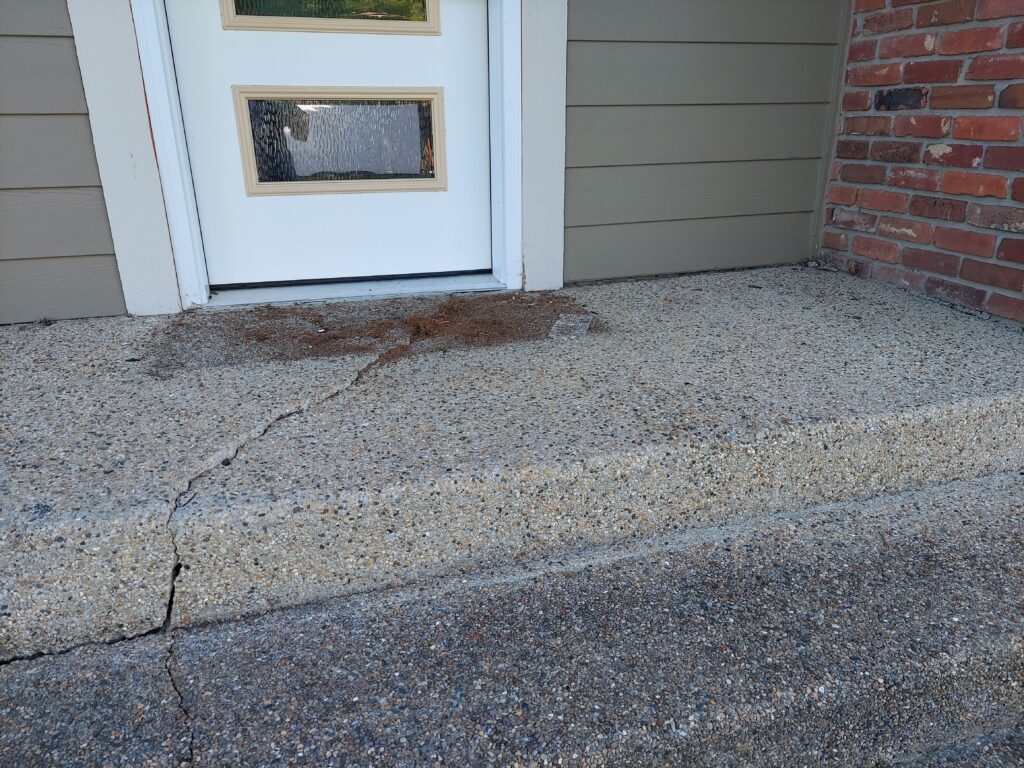
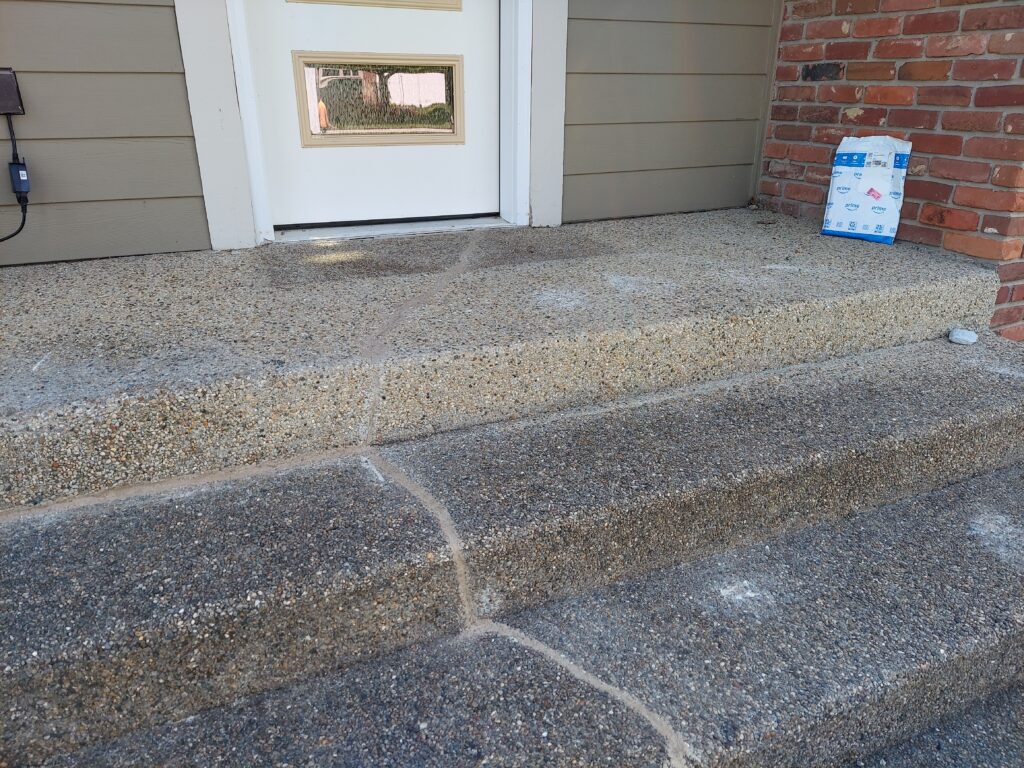
Professional Inspection and Assessment
The first step is knowing what you’re dealing with. A professional inspection identifies the type and severity of the damage, pinpoints the root cause, and recommends the most cost-effective repair method. Inspection fees typically run $100–$300—a worthwhile investment before committing to any repair approach.
Sealing and Filling Techniques
Different cracks require different treatments:
- Hairline cracks: Surface-applied polyurethane or silicone caulk, $150–$300 professionally applied
- Wider structural cracks: Epoxy injection, which bonds the concrete faces together and restores structural continuity—$250–$500 per crack, with a lifespan of 10–15 years
- Settled slabs: Mudjacking ($500–$1,500) or polyurethane foam injection ($800–$2,500) to lift and re-level without full replacement
Joint Maintenance Best Practices
Expansion joints should be inspected at least twice per year—ideally in spring after winter freeze-thaw stress and again in fall before the next cold season. Maintenance includes:
- Removing debris that has accumulated in the joint
- Inspecting the sealant for cracking or peeling
- Resealing when the existing material shows wear
- Applying a quality concrete sealer to the surrounding surface every few years to limit moisture penetration
When to Call a Concrete Crack Filling and Joint Control Professional
Signs You Need Expert Help
Some situations go beyond what DIY products can resolve:
- A crack you’ve already filled keeps returning
- The slab is visibly sinking or tilting
- Concrete is spalling, flaking, or crumbling
- Water is pooling on or near the slab after rain
- You see cracks wider than 1/4 inch or stair-step patterns near a foundation
These are signs of an underlying structural or drainage problem that surface-level patching won’t fix.
What Professionals Can Do That DIY Cannot
Licensed concrete leveling contractors bring diagnostic tools and specialized equipment—pressure injection systems, foam lifting rigs, and core sampling—that aren’t available to homeowners. More importantly, they address root causes. A DIY patch applied over a settling slab will fail. A professional crack filling and joint control repair that stabilizes the sub-base will last.
Quality professional repairs typically last 5–15 years, depending on method and conditions (Metal America Concrete, 2026).
Timeline for Addressing Concrete Issues
Concrete damage doesn’t resolve on its own—it progresses. Once you notice a crack wider than a hairline, the timeline to act is short. In Indianapolis, it’s especially important to address issues before winter sets in. Every freeze-thaw cycle between now and the repair date will make the job bigger and more expensive.
Frequently Asked Questions
How often should concrete be inspected?
Twice a year is the general recommendation—once in spring and once in fall. Properties with heavy traffic, older slabs, or known drainage issues may benefit from more frequent checks.
Can small cracks be fixed yourself?
Hairline cracks under 1/8 inch wide can often be addressed with a DIY crack filler kit ($5–$15). For anything wider, uneven, or recurring, professional assessment is the safer and more cost-effective long-term choice.
What’s the difference between a crack and an expansion joint?
Expansion joints are intentional, planned gaps in a slab that allow for movement. Cracks are unintentional breaks that typically indicate stress, water damage, or shifting beneath the slab.
How long does concrete repair take?
Simple crack sealing can be completed in a few hours. Mudjacking or foam jacking typically takes one to two hours per section and cures quickly—foam jacking in particular is ready for use within minutes. Full section replacement takes longer, including curing time of 24–48 hours before use.
Take Action Before a Small Crack Becomes a Big Problem
Concrete damage is predictable, progressive, and preventable—if you act early. A crack that costs a few hundred dollars to seal today can turn into a full slab replacement costing thousands if it’s left through another Indiana winter. That’s not a hypothetical; it’s a pattern that plays out across properties in Indianapolis every year.
If you’ve noticed cracks, uneven surfaces, or deteriorating joints on your property, don’t wait. Contact EcoLift Concrete Leveling LLC in Indianapolis, Indiana for a professional concrete assessment. Our team can evaluate the damage, identify the root cause, and recommend the most efficient path to a safer, longer-lasting surface—before the next freeze-thaw cycle makes things worse.
Related Posts:
When to Consider Concrete Crack Filling and Joint Control
Stop the Spread: A Guide to Concrete Crack Filling and Joint Control
Fixing Pool Deck Cracks: The Role of Concrete Lifting in Poolside Safety