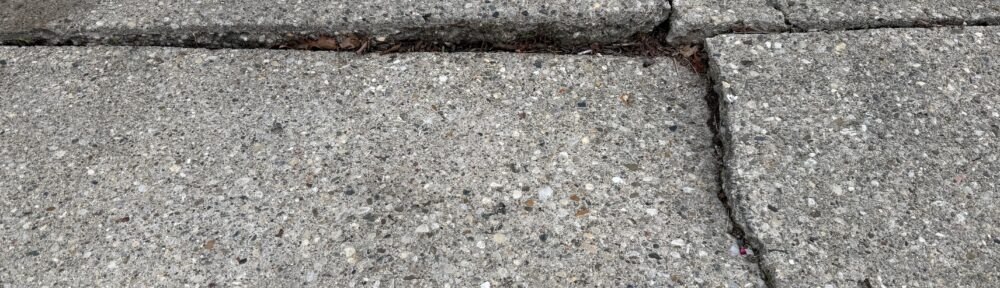
Walking up to your home and seeing a sunken, cracked driveway can feel incredibly frustrating. A sinking concrete slab is an unsightly issue that can cause serious long-term damage to your property value. You might assume that a massive, expensive demolition project is your only option.
Fortunately, repairing sinking pavements does not require tearing up your entire yard. Concrete lifting provides a highly effective alternative that restores your surfaces without the massive price tag.
By understanding how this process works, you can make an informed decision for your home. This guide explains the mechanics of concrete lifting, explores its many benefits, and shows you why repairing your slabs is almost always a better choice than replacing them.
Understanding Concrete Lifting: The Modern Solution to Sunken Slabs
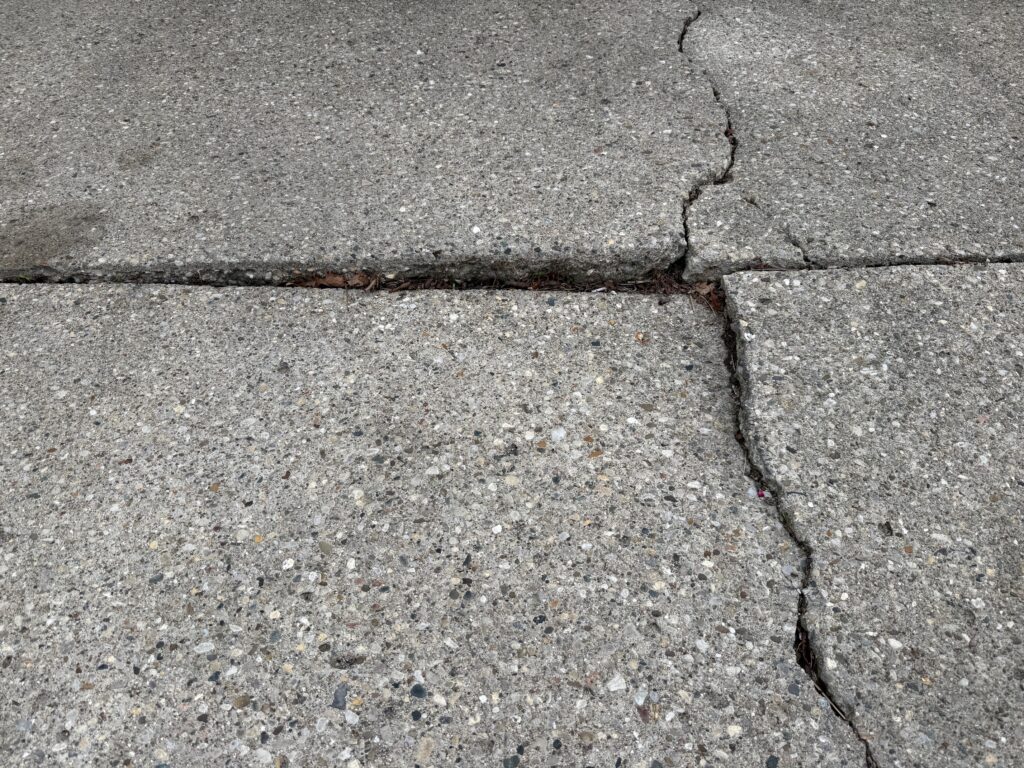
Soil naturally shifts and settles over time. In regions like central Indiana, expansive soils and poor drainage frequently cause the ground beneath your concrete to compress or wash away. When the soil sinks, your heavy concrete slabs sink right along with it.
What is Concrete Lifting?
Concrete lifting is a specialized repair method designed to raise and support sunken concrete slabs back to their original position. Instead of removing the old pavement and pouring new cement, technicians inject a stabilizing material directly underneath the existing slab. This fills any empty voids in the soil, gently pushing the concrete back into place.
How Does Concrete Lifting Work?
The process is remarkably straightforward. Technicians drill small, strategically placed holes into the sunken concrete. They then pump a specialized lifting material—typically a high-density polyurethane foam or a slurry mixture—through these holes. As the material expands or fills the space beneath the slab, it creates upward pressure. This safely raises the concrete to an even, level height. Finally, the technicians patch the drill holes, leaving you with a smooth and stable surface.
The Top Benefits of Concrete Lifting
Choosing to lift your concrete rather than replace it comes with several distinct advantages. Homeowners and property managers consistently find that lifting provides a superior overall experience.
Significant Cost Savings: Repair, Don’t Replace
Full concrete replacement is an expensive undertaking. You have to pay for demolition, debris removal, new materials, and extensive labor. Concrete lifting requires much less labor and zero demolition. On average, lifting a sunken slab costs between 30% and 50% less than the price of a complete replacement.
Time Efficiency: Quick and Non-Disruptive Process
Pouring new concrete requires days of curing time. During that period, you cannot drive or walk on the surface. Concrete lifting, on the other hand, is usually completed in a matter of hours. The materials cure very rapidly, allowing you to resume your normal routine almost immediately.
Enhanced Safety: Eliminating Trip Hazards
Uneven sidewalks and driveways create dangerous trip hazards for your family, guests, and delivery drivers. A sudden fall can lead to severe injuries and potential liability issues. Leveling your concrete eliminates these dangerous ledges, keeping your property safe and accessible.
Improved Aesthetics and Property Value
Curb appeal matters. Sunken, tilted slabs make a property look neglected and poorly maintained. Leveling your concrete instantly improves the visual harmony of your exterior spaces. A well-maintained driveway or patio signals to neighbors and potential buyers that your home is structurally sound.
Environmental Advantages: Reducing Waste
Demolishing a concrete slab generates a massive amount of heavy rubble that usually ends up in a local landfill. Furthermore, producing new cement is a highly carbon-intensive process. Concrete lifting preserves your existing materials. By fixing what you already have, you drastically reduce your environmental footprint.
Common Applications for Concrete Lifting
This versatile repair method works beautifully on almost any paved surface. If you have a slab that has settled, lifting can likely restore it.
Driveways and Walkways
Driveways bear the heavy weight of vehicles every single day. When the soil beneath them washes away, large cracks and dips form. Driveway lifting stabilizes the subgrade and restores a smooth path to your garage.
Patios and Pool Decks
A sloping pool deck pushes water toward your foundation or creates hazardous puddles. Concrete lifting precisely levels these recreational areas, ensuring proper water runoff and a safe environment for barefoot walking.
Garage Floors and Interior Slabs
Settling soil can cause your garage floor to sink, creating a large gap beneath your garage door. In severe cases, interior basement floors can also drop. Lifting materials are easily pumped into enclosed spaces to fix these structural issues without creating a dusty mess inside your home.
Commercial and Industrial Applications
Business owners rely on smooth surfaces for safe foot traffic and efficient warehouse operations. Uneven floors disrupt forklift traffic and pose risks to employees. Commercial concrete lifting quickly resolves these issues with minimal downtime for the business.
Concrete Lifting vs. Concrete Replacement: A Clear Comparison
When you face a sunken slab, you must choose between repairing or replacing it. Evaluating the two options side-by-side reveals why lifting is so highly recommended.
Cost and Time
Replacement requires heavy machinery, large crews, and days of curing. You pay a premium for all of that labor and equipment. Lifting requires a small crew, minimal equipment, and finishes in a few hours. The cost savings and convenience strongly favor lifting.
Environmental Impact
As mentioned earlier, replacement creates immense landfill waste. Concrete lifting services are a green alternative. Polyurethane foams used in modern lifting are often made with environmentally friendly materials that do not leach harmful chemicals into your soil.
Longevity and Durability
New concrete poured over the same unstable soil will eventually sink again. The core issue—poor soil support—remains unfixed. Concrete lifting actually addresses the root cause. The injected materials compress the loose soil and fill the voids, creating a highly stable foundation that can support your slab for decades.
Frequently Asked Questions about Concrete Lifting
How long does concrete lifting last?
When performed correctly, concrete lifting offers a permanent solution. High-density polyurethane foam is incredibly durable. It does not wash away with water and resists natural degradation. You can expect a lifted slab to remain stable for the lifespan of the concrete itself.
Is concrete lifting suitable for all types of concrete issues?
While lifting is highly effective for sunken slabs, it cannot fix everything. If your concrete is severely crumbled, completely crushed, or suffering from deep structural failure, replacement might be necessary. A professional inspection can determine if your slab is a good candidate for lifting.
Will the color of the concrete change?
Because you are keeping your original concrete, the main surface color remains exactly the same. The only visible change will be the small, patched drill holes. Technicians carefully mix the patching cement to blend in with your existing slab as closely as possible.
How soon can I use the repaired area?
One of the best features of modern polyurethane lifting is the rapid cure time. You can typically walk on the repaired slab within 15 minutes. You can safely park your car on a lifted driveway within just a few hours.
What is the difference between mudjacking and polyjacking?
Mudjacking uses a heavy slurry mixture of soil, water, and cement to lift the slab. It requires drilling larger holes and adds significant weight to the soil below. Polyjacking uses a lightweight, expanding polyurethane foam. Polyjacking requires much smaller drill holes, cures faster, and won’t burden the underlying soil with extra weight.
A Smart Investment for Your Property
Dealing with sinking concrete is stressful, but the solution does not have to be. Understanding how concrete lifting repairs your property empowers you to make a smart, economical choice. You can avoid the high costs and messy disruptions of a total replacement. By choosing to lift and level your slabs, you restore the safety, beauty, and value of your home in just a matter of hours.
If you are dealing with sunken driveways, sidewalks, or patios, do not wait for the problem to worsen. We offer affordable and fast concrete lifting services in Indianapolis and surrounding towns. Request a free, on-site estimate today and let us help you get your concrete back on solid ground.
Related Post: Top 5 Signs Your Concrete Needs Leveling or Lifting