Fix Uneven Slabs: The Benefits of Concrete Lifting

Walking up to your home and seeing a sunken, cracked driveway can feel incredibly frustrating. A sinking concrete slab is an unsightly issue that can cause serious long-term damage to your property value. You might assume that a massive, expensive demolition project is your only option.

Fortunately, repairing sinking pavements does not require tearing up your entire yard. Concrete lifting provides a highly effective alternative that restores your surfaces without the massive price tag.

By understanding how this process works, you can make an informed decision for your home. This guide explains the mechanics of concrete lifting, explores its many benefits, and shows you why repairing your slabs is almost always a better choice than replacing them.

Concrete Lifting Benefits

Understanding Concrete Lifting: The Modern Solution to Sunken Slabs

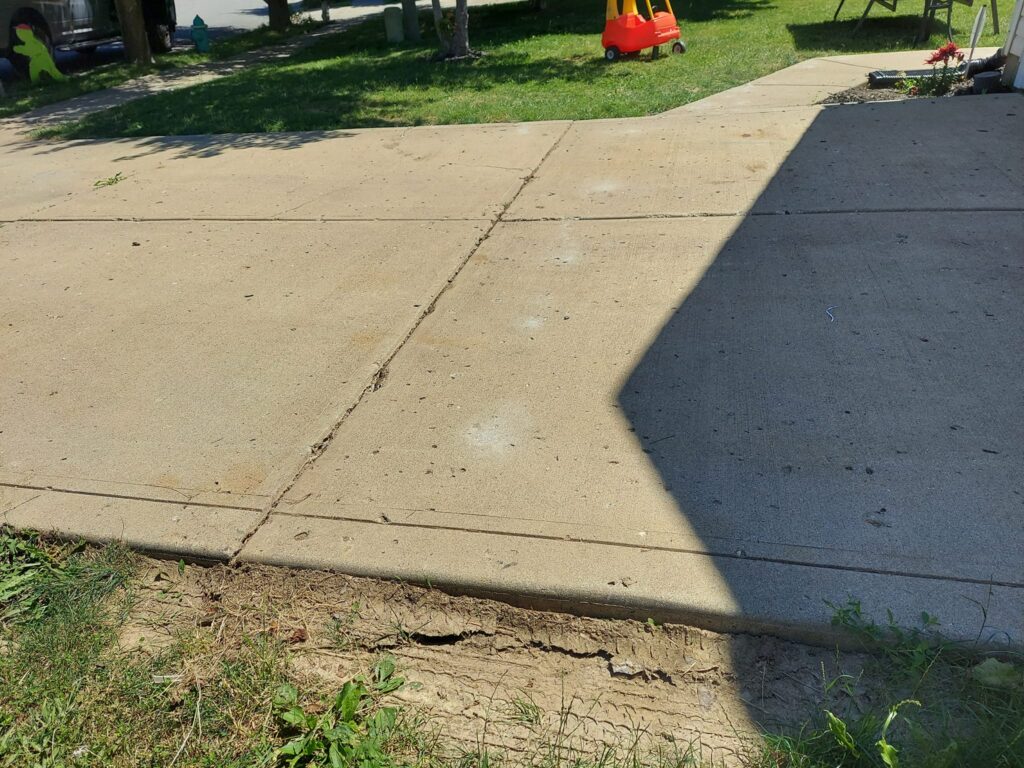
Soil naturally shifts and settles over time. In regions like central Indiana, expansive soils and poor drainage frequently cause the ground beneath your concrete to compress or wash away. When the soil sinks, your heavy concrete slabs sink right along with it.

What is Concrete Lifting?

Concrete lifting is a specialized repair method designed to raise and support sunken concrete slabs back to their original position. Instead of removing the old pavement and pouring new cement, technicians inject a stabilizing material directly underneath the existing slab. This fills any empty voids in the soil, gently pushing the concrete back into place.

How Does Concrete Lifting Work?

The process is remarkably straightforward. Technicians drill small, strategically placed holes into the sunken concrete. They then pump a specialized lifting material—typically a high-density polyurethane foam or a slurry mixture—through these holes. As the material expands or fills the space beneath the slab, it creates upward pressure. This safely raises the concrete to an even, level height. Finally, the technicians patch the drill holes, leaving you with a smooth and stable surface.

The Top Benefits of Concrete Lifting

Choosing to lift your concrete rather than replace it comes with several distinct advantages. Homeowners and property managers consistently find that lifting provides a superior overall experience.

Significant Cost Savings: Repair, Don’t Replace

Full concrete replacement is an expensive undertaking. You have to pay for demolition, debris removal, new materials, and extensive labor. Concrete lifting requires much less labor and zero demolition. On average, lifting a sunken slab costs between 30% and 50% less than the price of a complete replacement.

Time Efficiency: Quick and Non-Disruptive Process

Pouring new concrete requires days of curing time. During that period, you cannot drive or walk on the surface. Concrete lifting, on the other hand, is usually completed in a matter of hours. The materials cure very rapidly, allowing you to resume your normal routine almost immediately.

Enhanced Safety: Eliminating Trip Hazards

Uneven sidewalks and driveways create dangerous trip hazards for your family, guests, and delivery drivers. A sudden fall can lead to severe injuries and potential liability issues. Leveling your concrete eliminates these dangerous ledges, keeping your property safe and accessible.

Improved Aesthetics and Property Value

Curb appeal matters. Sunken, tilted slabs make a property look neglected and poorly maintained. Leveling your concrete instantly improves the visual harmony of your exterior spaces. A well-maintained driveway or patio signals to neighbors and potential buyers that your home is structurally sound.

Environmental Advantages: Reducing Waste

Demolishing a concrete slab generates a massive amount of heavy rubble that usually ends up in a local landfill. Furthermore, producing new cement is a highly carbon-intensive process. Concrete lifting preserves your existing materials. By fixing what you already have, you drastically reduce your environmental footprint.

Common Applications for Concrete Lifting

This versatile repair method works beautifully on almost any paved surface. If you have a slab that has settled, lifting can likely restore it.

Driveways and Walkways

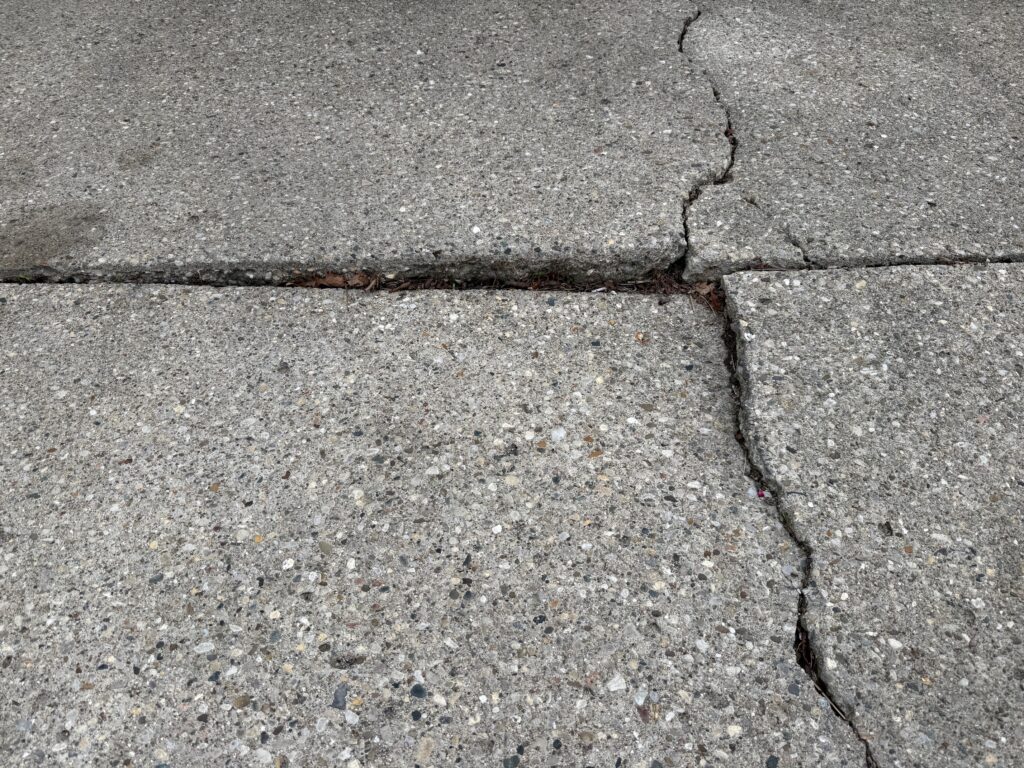
Driveways bear the heavy weight of vehicles every single day. When the soil beneath them washes away, large cracks and dips form. Driveway lifting stabilizes the subgrade and restores a smooth path to your garage.

Patios and Pool Decks

A sloping pool deck pushes water toward your foundation or creates hazardous puddles. Concrete lifting precisely levels these recreational areas, ensuring proper water runoff and a safe environment for barefoot walking.

Garage Floors and Interior Slabs

Settling soil can cause your garage floor to sink, creating a large gap beneath your garage door. In severe cases, interior basement floors can also drop. Lifting materials are easily pumped into enclosed spaces to fix these structural issues without creating a dusty mess inside your home.

Commercial and Industrial Applications

Business owners rely on smooth surfaces for safe foot traffic and efficient warehouse operations. Uneven floors disrupt forklift traffic and pose risks to employees. Commercial concrete lifting quickly resolves these issues with minimal downtime for the business.

Concrete Lifting vs. Concrete Replacement: A Clear Comparison

When you face a sunken slab, you must choose between repairing or replacing it. Evaluating the two options side-by-side reveals why lifting is so highly recommended.

Cost and Time

Replacement requires heavy machinery, large crews, and days of curing. You pay a premium for all of that labor and equipment. Lifting requires a small crew, minimal equipment, and finishes in a few hours. The cost savings and convenience strongly favor lifting.

Environmental Impact

As mentioned earlier, replacement creates immense landfill waste. Concrete lifting services are a green alternative. Polyurethane foams used in modern lifting are often made with environmentally friendly materials that do not leach harmful chemicals into your soil.

Longevity and Durability

New concrete poured over the same unstable soil will eventually sink again. The core issue—poor soil support—remains unfixed. Concrete lifting actually addresses the root cause. The injected materials compress the loose soil and fill the voids, creating a highly stable foundation that can support your slab for decades.

Frequently Asked Questions about Concrete Lifting

How long does concrete lifting last?

When performed correctly, concrete lifting offers a permanent solution. High-density polyurethane foam is incredibly durable. It does not wash away with water and resists natural degradation. You can expect a lifted slab to remain stable for the lifespan of the concrete itself.

Is concrete lifting suitable for all types of concrete issues?

While lifting is highly effective for sunken slabs, it cannot fix everything. If your concrete is severely crumbled, completely crushed, or suffering from deep structural failure, replacement might be necessary. A professional inspection can determine if your slab is a good candidate for lifting.

Will the color of the concrete change?

Because you are keeping your original concrete, the main surface color remains exactly the same. The only visible change will be the small, patched drill holes. Technicians carefully mix the patching cement to blend in with your existing slab as closely as possible.

How soon can I use the repaired area?

One of the best features of modern polyurethane lifting is the rapid cure time. You can typically walk on the repaired slab within 15 minutes. You can safely park your car on a lifted driveway within just a few hours.

What is the difference between mudjacking and polyjacking?

Mudjacking uses a heavy slurry mixture of soil, water, and cement to lift the slab. It requires drilling larger holes and adds significant weight to the soil below. Polyjacking uses a lightweight, expanding polyurethane foam. Polyjacking requires much smaller drill holes, cures faster, and won’t burden the underlying soil with extra weight.

A Smart Investment for Your Property

Dealing with sinking concrete is stressful, but the solution does not have to be. Understanding how concrete lifting repairs your property empowers you to make a smart, economical choice. You can avoid the high costs and messy disruptions of a total replacement. By choosing to lift and level your slabs, you restore the safety, beauty, and value of your home in just a matter of hours.

If you are dealing with sunken driveways, sidewalks, or patios, do not wait for the problem to worsen. We offer affordable and fast concrete lifting services in Indianapolis and surrounding towns. Request a free, on-site estimate today and let us help you get your concrete back on solid ground.

Place Your Call Now

Related Post: Top 5 Signs Your Concrete Needs Leveling or Lifting

Revive Your Sinking Porch: The Guide to Concrete Lifting

A welcoming front porch sets the tone for your entire home. It offers a place to greet guests, enjoy a quiet morning coffee, and frame the entrance to your living space. However, seeing that beautiful entryway slowly sink, tilt, or crack can quickly turn a source of pride into a source of stress.

A damaged porch is a visible flaw that actively compromises the safety and structural integrity of your property. Left untreated, settling concrete only worsens over time, leading to more expensive and invasive repairs down the road.

Understanding how concrete affects your property is crucial for maintaining a safe, valuable home. Fortunately, removing and repouring the slab is rarely your only option. Concrete lifting offers a highly effective, minimally invasive way to restore your porch to its original position. By addressing the root causes of the settling, you can permanently protect your entryway.

Read on to learn exactly why concrete porches sink and how modern lifting techniques can save your concrete.

Understanding Why Concrete Porches Sink and Crack

Concrete is an incredibly durable material, but it relies entirely on the ground beneath it for support. When that foundation shifts, the heavy slab above has no choice but to follow.

Soil Erosion, Water Damage, and Poor Drainage

In areas like Indianapolis, the local soil composition plays a massive role in concrete health. The region experiences distinct seasons, leading to harsh freeze-thaw cycles. During wet periods, expansive clay soils absorb water and swell. When the dry summer heat arrives, that same soil shrinks, creating empty voids beneath your porch. Poor drainage exacerbates this issue. If gutters empty directly next to your porch, the rushing water will physically wash the soil away, completely undermining the slab.

Trip Hazards, Water Pooling, and Diminished Curb Appeal

When the soil washes away, the unsupported concrete eventually cracks and sinks under its own weight. This creates severe tripping hazards for anyone walking up to your front door. Furthermore, a sunken porch often tilts toward the home rather than away from it. Rainwater then pools against your foundation walls, significantly increasing the risk of basement leaks and water damage.

The Solution: Concrete Lifting to the Rescue

If your porch is structurally sound but physically sinking, tearing it out is an unnecessary expense. Concrete lifting addresses the underlying soil issues while preserving your existing slab.

What is Concrete Lifting?

Concrete lifting involves injecting a specialized material beneath the sunken slab to fill voids and carefully raise the concrete back to a level position. There are two primary methods used today:

  1. Mudjacking: An outdated and messy method that pumps a thick slurry of water, soil, sand, and Portland cement under the concrete.
  2. Polyjacking: A modern, highly preferred technique that injects high-density polyurethane foam. The foam expands rapidly to lift the slab with extreme precision.

How Concrete Lifting Works

The process is remarkably straightforward. Technicians drill small, strategically placed holes into the sunken sections of your porch. They attach custom valves to these holes and slowly pump the lifting material underneath the slab. As the void fills, the pressure gently raises the concrete. Once the porch is level, the team removes the valves and carefully patches the drill holes.

Benefits of Concrete Lifting

Lifting your porch instantly eliminates dangerous trip hazards and corrects drainage issues. It also restores the structural support beneath the concrete, preventing future cracking and extending the lifespan of your entryway by decades.

Restoring Charm: Enhancing Your Porch’s Appearance

Your home’s exterior makes the first impression, and a well-maintained porch is a massive part of that aesthetic appeal.

Eliminating Unsightly Cracks and Uneven Surfaces

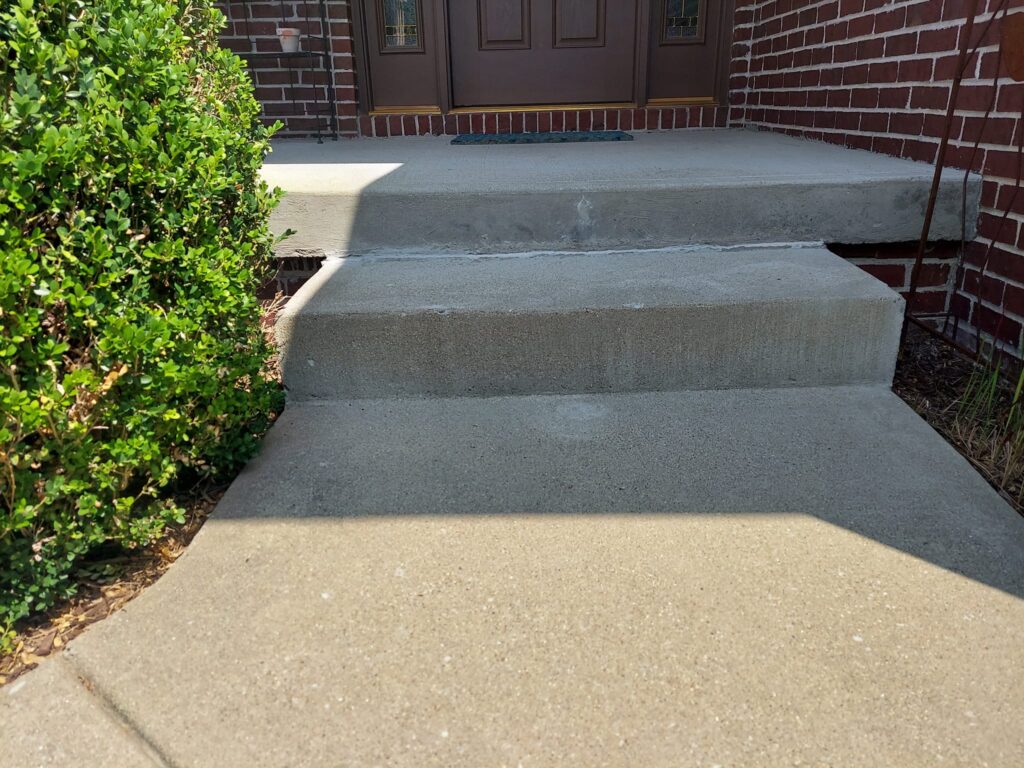
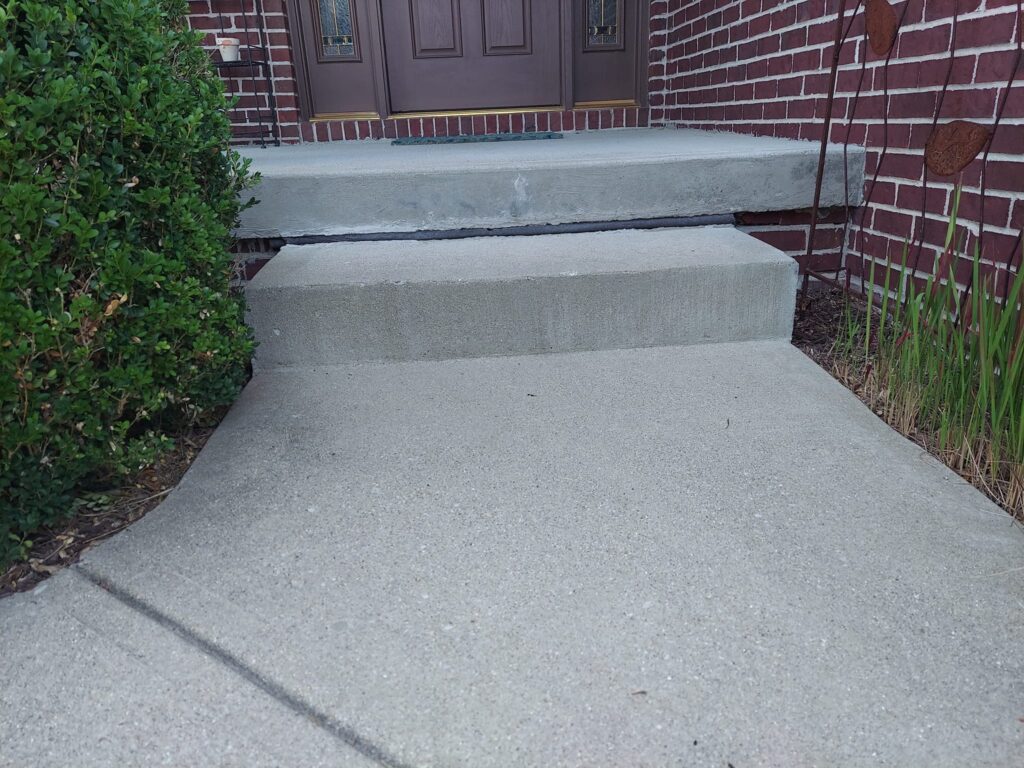
Sunken concrete creates jagged, uneven steps and gaping cracks that immediately draw the eye for all the wrong reasons. Lifting the slab realigns the concrete segments, instantly smoothing out the approach to your home.

Preparing for Decorative Finishes and Landscaping

A level, stable surface is a prerequisite for any exterior home improvements. Once your porch is lifted, you can confidently apply decorative concrete stains, outdoor rugs, or epoxy coatings without worrying about the surface shifting. It also allows you to plant new landscaping around the entryway without fear of ongoing soil washouts.

Boosting Your Home’s Curb Appeal and Resale Value

A cracked, sloping porch is a major red flag for potential homebuyers. It suggests poor home maintenance and hints at potential foundation issues. Restoring your porch to a pristine, level state protects your property value and ensures your home looks its absolute best.

Ensuring Safety: A Stable Foundation for Your Home

While aesthetics are important, the physical safety of your family and guests remains the highest priority.

Preventing Trip Hazards and Falls

A height difference of just half an inch between concrete slabs is enough to cause a severe fall. Elderly visitors and young children are especially vulnerable to these uneven surfaces. Leveling the porch removes these dangerous lips and restores a smooth, predictable walking path.

Improving Water Runoff and Drainage

Concrete porches are originally poured with a slight pitch to direct rainwater away from the house. When a porch sinks, it often slopes backward. Raising the concrete restores the proper pitch, ensuring that heavy rains flow safely into your yard rather than pooling against your siding.

Protecting Your Home’s Foundation from Further Damage

Water pooling against your house does more than damage your siding. It eventually seeps down into the soil surrounding your foundation walls. Over time, this hydrostatic pressure can cause your basement walls to bow, crack, and leak. Fixing your porch pitch actively protects your entire foundation.

Concrete Lifting vs. Replacement: Why Repair is Superior

Many homeowners mistakenly believe that cracked concrete must be thrown away. In reality, repair is almost always the smarter choice.

Cost-Effectiveness of Lifting

Tearing out a concrete porch requires heavy machinery, extensive labor, and exorbitant disposal fees. You then have to pay for new gravel, forms, and freshly poured concrete. Concrete lifting typically costs half the price of a full replacement, leaving you with money to spend on other home improvements.

Time Efficiency and Minimal Disruption

A full concrete replacement turns your front yard into a construction zone for days, and the new concrete takes weeks to fully cure. Conversely, concrete lifting is usually completed in a few hours.

Eco-Friendly Approach

Lifting your concrete is vastly better for the environment. It keeps heavy concrete slabs out of local landfills. Furthermore, modern polyjacking uses non-toxic polyurethane foam that is frequently made from recycled materials. Once cured, the foam is completely inert, meaning it will never leach harmful chemicals into your soil or groundwater.

The Concrete Lifting Process: What to Expect

Knowing what happens during a repair appointment helps alleviate the stress of home maintenance.

Initial Assessment and Quotation

A professional concrete leveling contractor will visit your home to evaluate the damage, measure the sunken areas, and identify the root cause of the settlement. They will provide a clear, detailed quote outlining exactly what needs to be done.

The Injection Process

On the day of the repair, technicians will drill holes as small as 5/8 of an inch (about the size of a dime) into the concrete. They inject the polyurethane foam, carefully monitoring the lift to ensure the porch rises evenly and accurately.

Curing Time and Immediate Use

One of the greatest advantages of polyjacking is the rapid cure time. The polyurethane foam hardens and reaches full strength within 15 minutes. You can walk on your porch and use your front door the very same day.

Maintaining Your Revived Porch: Tips for Longevity

Once your porch is perfectly level, a little proactive maintenance goes a long way.

Proper Drainage Solutions

Keep water away from your concrete. Ensure your gutters are clean and that your downspouts discharge water at least five feet away from your porch. This prevents the soil erosion that caused the sinking in the first place.

Regular Inspections

Take a walk around your porch every spring and fall. Look for new cracks or signs of soil pulling away from the edges of the slab. Catching drainage issues early prevents major voids from forming.

Addressing Small Issues Promptly

If you notice small cracks appearing, have them filled immediately with a high-quality, self-leveling concrete caulk. Sealing concrete cracks prevents rain and melting snow from seeping beneath the slab and restarting the freeze-thaw damage cycle.

Frequently Asked Questions about Porch Lifting

Is concrete lifting permanent?

Yes, especially when using polyurethane foam. The foam is highly durable, waterproof, and will not break down over time. As long as you maintain proper drainage to prevent future soil washouts, the lift will last for the lifetime of the concrete.

How long does the process take?

Most residential concrete lifting projects, including front porches, walkways, and driveways, are completed in just two to four hours.

Can all concrete porches be lifted?

Most sunken porches can be lifted. However, if the concrete is severely crumbled, pulverized, or structurally compromised beyond repair, a full replacement may be necessary. A professional inspection will confirm if your porch is a good candidate.

What is the cost of concrete lifting?

Costs vary depending on the size of the porch and the severity of the drop. However, it is consistently 50% to 70% cheaper than the cost of a total tear-out and replacement.

Reclaim Your Porch’s Beauty and Functionality

A sinking porch is a stressful problem, but it is entirely solvable. By choosing concrete lifting, you eliminate safety hazards, protect your home’s foundation from water damage, and restore your property’s curb appeal. Best of all, you achieve these results quickly and affordably, without the mess of a massive construction project.

Don’t let a sinking entryway compromise the safety and beauty of your home. If you are dealing with uneven steps or settling slabs, we are here to help. Contact us today for expert concrete porch lifting and crack filling services in Indianapolis and the surrounding towns.

Schedule a Free Inspection

Related Post: Concrete Lifting for Patios: Restore Your Outdoor Space in Hours

Reduce Waste with Concrete Lifting: The Green Alternative to Replacement

Cracked, sunken concrete is more than an eyesore—it’s a decision point. You can tear it out and replace it, or you can lift and level it. Most people default to replacement without realizing how much environmental damage that choice carries. Demolishing and replacing a concrete slab generates construction debris, demands new raw materials, and releases carbon emissions at every stage of the process. Concrete lifting takes a different path.

By preserving the slab that’s already in place, concrete lifting sidesteps the waste, energy, and emissions tied to full replacement. It’s a smarter fix for the environment and for your property. This post breaks down exactly why—covering everything from landfill waste and carbon savings to the safety of modern lifting materials.

Call 317-777-4973 for Professional Concrete Leveling in Indianapolis

How Does Concrete Lifting Reduce Environmental Waste?

Concrete lifting keeps existing slabs out of landfills by preserving them rather than demolishing them. Construction and demolition (C&D) debris is a massive waste problem in the United States. According to the U.S. Environmental Protection Agency, 600 million tons of C&D debris were generated in 2018 alone—more than twice the amount of municipal solid waste produced that year. Of that total, approximately 144 million tons ended up in landfills.

Concrete is one of the heaviest contributors to that waste stream. When a slab is demolished, those broken chunks become C&D debris that either gets hauled to a landfill or requires energy-intensive processing before it can be reused as aggregate. Either way, the environmental cost is real.

Concrete lifting eliminates that waste stream entirely. The existing slab stays in place. No rubble gets hauled away. No landfill space gets consumed. The process requires small injection holes—typically around 5/8 inch in diameter—and leaves the surrounding landscaping, soil, and structures undisturbed. When the job is done, those holes are patched and the area is tidy.

Preserving a concrete slab that’s structurally sound but has settled is one of the most direct forms of construction waste reduction available. No demolition, no debris, no disposal costs.

What are the Energy Savings of Leveling vs. Replacement?

Concrete lifting significantly reduces carbon emissions by eliminating the need to manufacture, transport, and pour new concrete. Cement production—the key ingredient in new concrete—accounts for approximately 7–8% of global CO2 emissions, according to the Global Cement and Concrete Association (GCCA). That figure makes the cement industry one of the largest industrial sources of carbon dioxide on the planet, surpassing emissions from the entire aviation sector.

Every time a concrete slab is replaced, that emissions cycle repeats. New cement must be manufactured, mixed into concrete, loaded onto trucks, and delivered to the job site. Heavy equipment then removes the old slab, pours the new one, and hauls the broken debris away. Each of those steps burns fossil fuels and generates emissions.

Concrete lifting requires far less. According to Groundworks, polyurethane injection is less labor and equipment intensive than replacement, which directly reduces fossil fuel consumption on-site. There are no concrete trucks, no excavation equipment, and no demolition crews. A small team with specialized equipment can level most residential slabs in a matter of hours.

The upstream impact matters too. When you lift and level a slab instead of replacing it, you avoid the carbon cost of producing new concrete entirely. No raw material extraction, no kiln firing, no long-haul delivery. The environmental savings compound from the start.

Is the Material Used in Concrete Lifting Eco-Friendly?

Modern expanding polyurethane foam—the material used in concrete lifting—is chemically inert, non-toxic, and does not leach into soil or groundwater. One of the most common concerns about polymer-based concrete lifting is whether the injected material poses any risk to the surrounding environment. The evidence is reassuring.

Once cured, polyurethane foam is chemically inert, meaning it does not react with surrounding soil, moisture, or organic matter. According to Groundworks, cured polyurethane does not leach chemicals into the surrounding environment or groundwater. It is also resistant to erosion and holds no nutritional value, so wildlife and insects are unlikely to disturb or redistribute it. Groundworks further notes that certain formulations can be certified to NSF/ANSI 61 safe drinking water standards.

The foam’s closed-cell structure makes it highly resistant to water infiltration, which actually helps prevent further soil erosion and slab movement after the repair. It cures fully within 15 to 30 minutes and achieves compressive strength levels capable of supporting residential, commercial, and even highway-grade loads.

Cured polyurethane foam is classified as non-hazardous waste and can be disposed of in standard municipal landfills that accept general construction materials. The only significant degradation factor is UV exposure—which is a non-issue since the foam is injected beneath concrete slabs and into soil, shielded from sunlight entirely.

The result is a repair material that’s built to last, safe for the environment, and far less disruptive than anything involved in full slab replacement. Contact our Indianapolis concrete leveling service today to schedule a free, on-site assessment for your porch, patio, sidewalks, or driveway.

Frequently Asked Questions

How long does lifted concrete last?

Properly lifted concrete can last for many years. The polyurethane foam used in the process is designed for durability—it resists water, soil chemicals, and erosion once cured underground. Unlike traditional mudjacking materials, which can wash out or settle again over time, high-density expanding foam maintains its position and structural integrity for the long term.

Is concrete lifting cheaper than replacement?

In most cases, yes. Concrete lifting typically costs significantly less than full replacement because it eliminates demolition, hauling, new material costs, and extended labor time. Most residential lifting jobs are completed within a few hours, compared to days of work for a full replacement project.

What types of concrete can be lifted?

Polyurethane foam lifting can be applied to a wide range of surfaces, including driveways, sidewalks, garage floors, pool decks, patios, and even roadways. As long as the existing slab is structurally sound and not severely damaged, lifting is generally a viable option.

How invasive is the concrete lifting process?

The process is minimally invasive. Small holes—around 5/8 inch in diameter—are drilled through the slab, the foam is injected, and the holes are patched after the lift is complete. Surrounding landscaping, soil, and nearby structures are not disturbed. Most property owners can use the repaired surface within hours of the job being completed.

Can concrete lifting be done on surfaces with cracks?

Minor cracks do not necessarily disqualify a slab from being lifted. However, severely damaged or structurally compromised concrete may require replacement rather than leveling. A professional assessment will determine whether lifting is appropriate for your specific situation.

What causes concrete slabs to sink in the first place?

Concrete sinks when the soil beneath it shifts, erodes, or compacts unevenly. Common causes include poor compaction during original installation, soil erosion from water drainage, tree root activity, and seasonal freeze-thaw cycles. Polyurethane injection not only lifts the slab but also fills the voids that caused the settlement, addressing the root issue rather than just the symptom.

Concrete Lifting: A Smarter Choice for the Long Term

The environmental case for concrete lifting is straightforward. It keeps debris out of landfills, avoids the carbon-intensive process of producing new concrete, and uses a material that is stable, safe, and built to last. Each lifted slab represents a meaningful reduction in waste, emissions, and resource consumption.

Full replacement has its place—when concrete is structurally compromised beyond repair, replacement may be the only option. But when an existing slab can be preserved, lifting is the responsible choice for the environment and a practical one for your budget.

Serving Indianapolis and surrounding counties, our team provides professional concrete leveling services for driveways, sidewalks, pool decks, garage floors, and more. Contact us today to schedule a free assessment and find out if lifting is the right solution for your property.

Call for a Free Estimate

Related Post: Concrete Leveling 101: How to Fix Uneven Surfaces Without Replacement

Repair Your Patio in Hours with Concrete Leveling

TL;DR: Professional concrete leveling uses polyurethane foam injection to lift sunken patio slabs in just a few hours. The foam cures in about 15 minutes, allowing you to use your patio the same day—no lengthy replacement projects required.

Key Takeaways:

  • Concrete leveling repairs sunken patios without demolition or replacement
  • Most projects are completed in a few hours with same-day usability
  • Polyurethane foam cures in approximately 15 minutes
  • Costs typically range from 30-50% less than full replacement
  • The process addresses underlying soil issues to prevent future settling

Table of Contents:

  1. What is Professional Concrete Patio Leveling?
  2. Signs Your Patio Needs Leveling
  3. The Step-by-Step Leveling Process
  4. Why Concrete Leveling is Faster Than Replacement
  5. Frequently Asked Questions
  6. Quick Recap
  7. Get a Free Estimate in Indianapolis
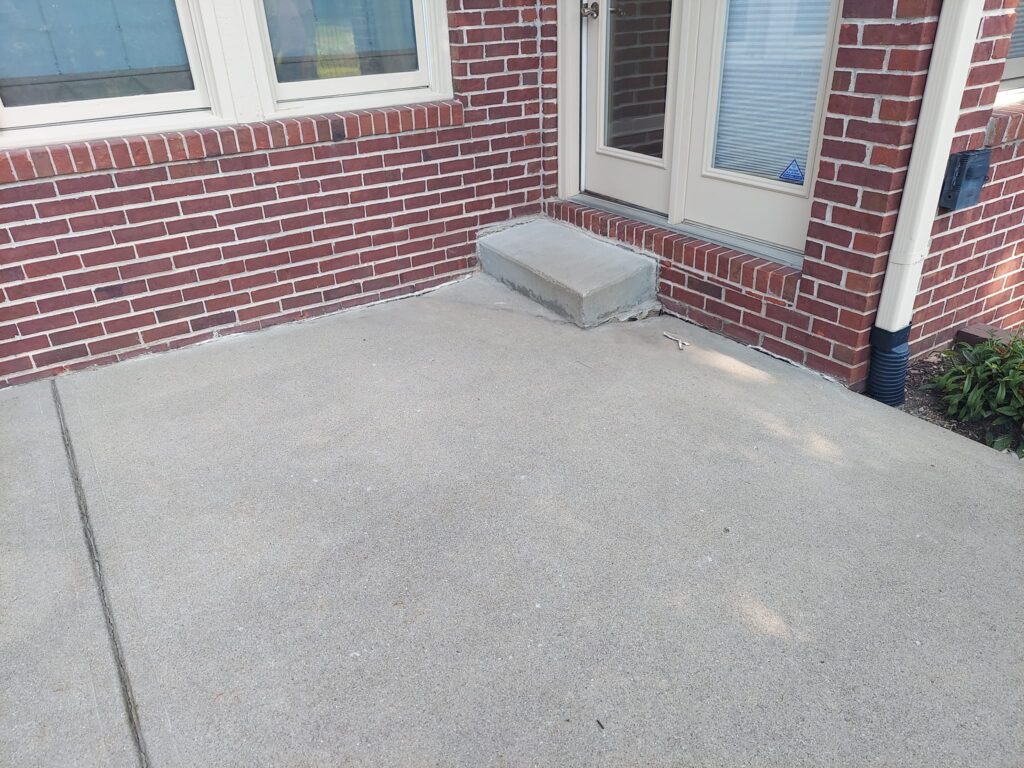
Concrete Patio Leveling - Before
Concrete Patio Leveling – Before

What is Professional Concrete Patio Leveling?

Professional concrete patio leveling, also known as polyurethane foam injection or polyjacking, is a repair method that lifts and stabilizes sunken concrete slabs without replacement. This process involves drilling small holes into your patio surface and injecting expanding polyurethane foam beneath the slab. The foam fills voids in the soil, lifts the concrete back to its original position, and stabilizes the area to prevent future settling.

Unlike traditional mudjacking, which uses a heavy slurry mixture, polyurethane foam is lightweight and expands quickly. This modern approach addresses the root cause of the problem—unstable or eroded soil beneath your patio—rather than simply covering up the symptoms.

The technique works for various outdoor concrete surfaces, including patios, pool decks, sidewalks, and driveways. It’s particularly effective when your concrete is structurally sound but has settled due to soil issues.

Signs Your Patio Needs Leveling

Recognizing the warning signs early can help you address porch or patio settlement before it becomes a more serious problem.

  • Visible settling or sinking is the most obvious indicator. If sections of your patio sit lower than they once did, or if there are noticeable height differences between slabs, the soil beneath has likely shifted or eroded.
  • Pooling water after rain is another red flag. Water should drain away from your home and off your patio surface. When water collects in low spots, it indicates uneven settling that can lead to further damage over time.
  • Trip hazards develop when adjacent concrete slabs settle at different rates, creating lips or steps between sections. These uneven surfaces pose safety risks for family members and guests.
  • Cracks may appear as your patio settles. While not all cracks indicate major problems, they often accompany settling and can worsen as movement continues.
  • Gaps between your patio and foundation suggest that the concrete has pulled away from your home as it settled. This separation can allow water to seep toward your foundation, potentially causing more extensive damage.

If you notice any of these signs, professional patio leveling can restore your patio’s safety and appearance before the problem escalates.

The Step-by-Step Leveling Process

Understanding what happens during a concrete leveling project can help you know what to expect.

Assessment and preparation begins with a thorough inspection of your patio. Technicians evaluate the extent of settling, identify underlying causes, and determine the best injection points. This planning phase ensures precise lifting and long-lasting results.

Drilling injection holes comes next. Small holes, typically about the size of a pea (less than one inch in diameter), are drilled at strategic locations in the concrete. These holes serve as entry points for the polyurethane foam and are far less invasive than the process required for concrete replacement.

Injecting polyurethane foam is where the transformation happens. A specialized injector pumps the two-part foam mixture through the holes and beneath the slab. As the components mix, the foam expands to fill voids, lift the concrete, and stabilize loose soil. The expansion occurs quickly, often within 15 minutes, and can raise the slab precisely to its original level.

Curing and cleanup follows immediately. The polyurethane foam reaches approximately 90% of its strength within 15 minutes of injection. Once the lifting is complete, technicians patch the small injection holes with a color-matched material and clean the work area. Most projects leave minimal visible evidence of the repair.

The entire process for a typical residential patio or porch usually takes just a few hours from start to finish. You can walk on the surface almost immediately, and heavier loads can be supported within an hour or two.

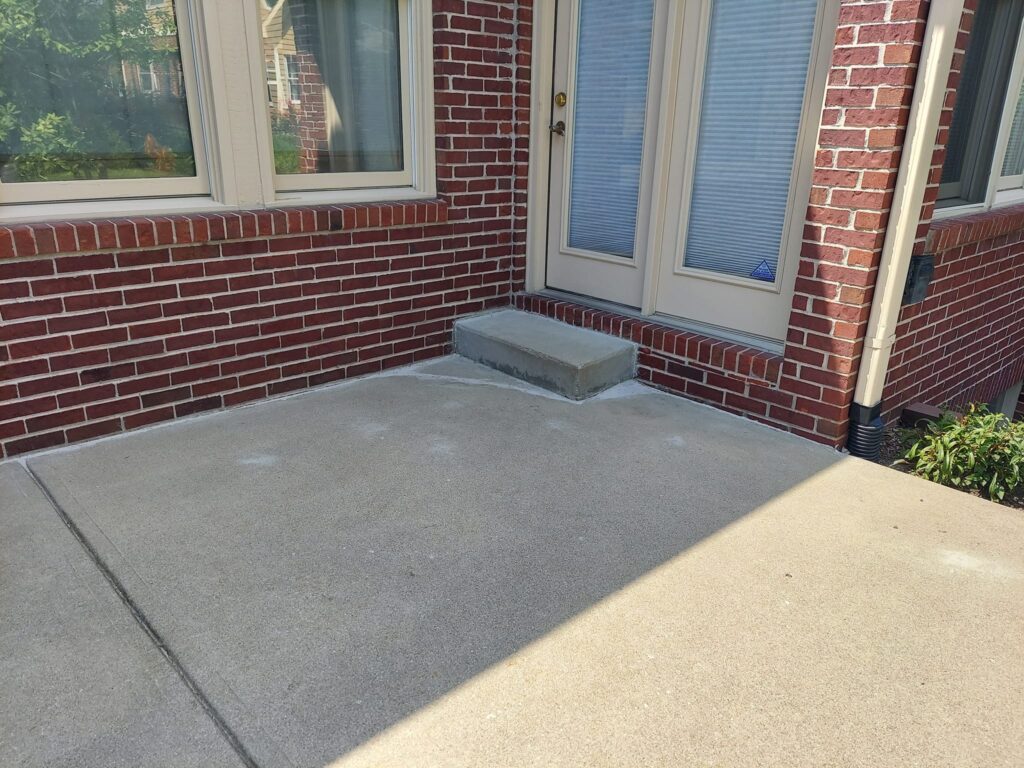
Concrete Patio Leveling - After
Concrete Patio Leveling – After

Why Concrete Leveling is Faster Than Replacement

The time difference between concrete leveling and full replacement is substantial, making leveling the clear choice when speed matters.

Curing Times

Replacement requires extensive curing time. According to Penn State’s Department of Civil & Environmental Engineering, newly poured concrete should cure for a minimum of 7 days in most cases, or at least 3 days with high-early-strength concrete mixes—and only when weather conditions cooperate. During this period, you cannot use the surface, and factors like temperature and humidity can extend the timeline even further.

Leveling eliminates the curing wait. Polyurethane foam used in professional concrete leveling cures in about 15 minutes. Most residential projects are completed within a few hours, and you can typically use your patio the same day. There’s no multi-day shutdown, no waiting for concrete to harden, and no extended disruption to your outdoor living space.

Demolition and Disposal

Replacement involves demolition and disposal. Tearing out old concrete, hauling it away, preparing the base, pouring new concrete, and finishing the surface takes days or even weeks. Each step adds time and complexity to the project.

Leveling preserves your existing patio. If your concrete is structurally sound but simply settled, there’s no need to destroy it. The foam injection process works with what you already have, saving time, money, and the hassle of a major construction project.

For Indianapolis homeowners facing freeze-thaw cycles and expansive clay soils, the speed of concrete leveling offers a practical advantage. You can address settling issues quickly without losing use of your outdoor space during peak seasons.

Frequently Asked Questions

How long does polyurethane foam concrete leveling last?

When properly installed, polyurethane foam concrete leveling provides long-term stability. The foam material resists moisture, erosion, and temperature fluctuations. Industry testing indicates less than 2% degradation over 20 years. Most professional concrete repair companies offer warranties ranging from one to five years, provided site drainage and soil conditions remain unchanged.

Can concrete leveling be done in cold weather or during Indianapolis winters?

Yes, concrete leveling can be performed in various weather conditions. Light rain rarely stops foam injection, though severe storms may shift schedules. The polyurethane foam used in professional leveling is designed to cure effectively across a range of temperatures. Reputable contractors plan for weather contingencies and will reschedule if conditions aren’t suitable for quality work.

How does concrete leveling address freeze-thaw damage?

Concrete leveling doesn’t repair surface cracks caused by freeze-thaw cycles, but it does eliminate the underlying settlement that contributes to water infiltration and further damage. Many contractors bundle crack sealing or joint repair with leveling services to provide comprehensive protection. By stabilizing the slab and improving drainage, leveling helps prevent water from pooling and freezing beneath your patio.

What causes concrete patios to settle in the Indianapolis area?

Settlement typically occurs due to soil shrinkage, poor compaction, erosion, or water infiltration beneath the slab. Indianapolis sits on expansive clay soils that swell when wet and shrink during dry periods. This constant movement creates voids beneath concrete surfaces, leading to settlement. Proper drainage and stable soil support are essential for preventing ongoing issues.

How much does concrete patio leveling cost?

Concrete leveling typically costs between $5 and $25 per square foot, depending on factors like the size of the area, depth of voids beneath the slab, soil conditions, and accessibility. On average, homeowners can expect to pay 30-50% less than the cost of full concrete replacement, which can exceed $40 per square foot when including demolition and disposal. Most contractors offer free inspections and detailed estimates before beginning work.

Quick Recap:

  • Fast turnaround: Most patio leveling projects are completed in just a few hours
  • Same-day use: Polyurethane foam cures in approximately 15 minutes, allowing immediate use
  • Cost-effective: Leveling costs 30-50% less than full concrete replacement
  • Minimal disruption: Small injection holes and no demolition mean less mess and hassle
  • Addresses root causes: Fills voids and stabilizes soil to prevent future settling
  • Preserves existing concrete: No need to tear out structurally sound slabs
  • Long-lasting results: High-quality foam resists moisture and temperature changes for years

Restore Your Patio’s Safety and Beauty

A sunken or uneven patio doesn’t have to remain a problem. Professional concrete leveling offers a fast, affordable solution that restores both the appearance and safety of your outdoor space.

If you’ve noticed settling, pooling water, or trip hazards on your patio, addressing these issues sooner rather than later can prevent more extensive damage down the road. The right repair method saves you time, money, and the inconvenience of a lengthy construction project.

Ready to fix your patio and enjoy your outdoor space again? Contact our trusted professionals for concrete patio leveling and lifting services in Indianapolis and surrounding areas. Get a free inspection and discover how quickly your patio can be restored.

Call Now to Inquire

Related Post: Concrete Lifting for Patios: Restore Your Outdoor Space in Hours
Sidewalk Lifting: An Eco-Friendly Solution to Repairing Sunken Walkways

TL;DR: Concrete leveling using hydrophobic foam is a fast, affordable, and durable solution. It eliminates the need for costly concrete replacement by filling dime-sized holes that blend seamlessly with your existing sidewalk. This clean and eco-friendly method resists water, avoids heavy machinery, and keeps your concrete out of the landfill.

Key Takeaways:

  • Polyurethane foam injection is a cost-effective solution for lifting and leveling concrete sidewalks.
  • The process is quick, minimally invasive, and environmentally friendly.
  • It can prevent further damage, improve safety, and enhance property value.

Table of Contents:

  1. What is Polyurethane Foam Injection?
  2. Why Choose Polyurethane for Sidewalk Lifting?
  3. The Benefits of Polyurethane Foam Injection
  4. Is Polyurethane Foam Injection Right for You?
  5. The Polyurethane Foam Injection Process
  6. Sidewalk Lifting Cost Guide
  7. DIY vs. Professional Sidewalk Leveling
  8. Frequently Asked Questions
  9. Quick Recap
  10. Conclusion

Walking down your own driveway or sidewalk shouldn’t feel like an obstacle course. Yet, for many homeowners in Indianapolis and beyond, uneven concrete slabs turn a simple stroll into a tripping hazard. Whether it’s caused by soil erosion, tree roots, or just the natural settling of the earth, sunken concrete is an eyesore that can lower property value and create safety liabilities.

If you’re staring at a jagged crack in your walkway, you might be dreading the cost and chaos of tearing it all out to pour new cement. But there is a smarter, faster, and cleaner alternative.

Polyurethane foam injection—often called “polyjacking”—is transforming how we repair residential concrete. It’s a modern solution that fixes the problem at its source without the heavy machinery or week-long cure times of traditional replacement. This guide explores everything you need to know about lifting your sunken sidewalk, from how the technology works to why it’s often the smartest investment for your home.

What is Polyurethane Foam Injection?

Polyurethane foam injection is a concrete lifting method that raises sunken slabs back to their original position using a high-density, expanding polymer.

The concept is surprisingly simple but highly effective. It involves drilling tiny holes (about the size of a dime) into the sunken concrete. Through these ports, a two-part polymer liquid is injected into the soil beneath. Once the liquid combines, a chemical reaction occurs almost instantly. The material expands into a rigid foam, filling the voids caused by soil erosion or settling.

As the foam expands, it exerts upward pressure, gently lifting the heavy concrete slab back to a level position. Once the lift is complete, the foam cures within minutes, creating a permanent, water-resistant base that supports the walkway.

Why Choose Polyurethane for Sidewalk Lifting?

For decades, the standard method for lifting concrete was “mudjacking”—a process that pumps a slurry of cement, sand, and water under the slab. While mudjacking can work, polyurethane foam offers distinct advantages that make it the superior choice for modern homes.

Lightweight Stability

Mudjacking adds significant weight to the soil beneath your concrete—often 100 pounds per cubic foot. If your soil settled because it couldn’t support the weight of the original concrete, adding more heavy material often leads to the same problem recurring later.

Polyurethane foam is incredibly lightweight, weighing only about 2 to 4 pounds per cubic foot. It provides the necessary support without burdening the already compromised soil.

Water Resistance

One of the main enemies of concrete stability is water. Rain and drainage issues wash away soil, creating the voids that cause sinking. Unlike the cement slurry used in mudjacking, polyurethane foam is hydrophobic. It does not wash away, shrink, or degrade when exposed to moisture. In fact, it acts as a barrier, preventing water from eroding the soil beneath your sidewalk in the future.

The Benefits of Polyurethane Foam Injection

Choosing foam injection isn’t just about fixing a crack; it’s about choosing a solution that respects your time, property, and the environment.

Cost-Effectiveness

Tearing out and replacing concrete is expensive and labor-intensive. Polyurethane lifting typically costs 50% to 70% less than the price of a full replacement. You get the same level surface without the heavy price tag.

Speed and Convenience

Concrete replacement requires days of curing time where you can’t use your walkway. In contrast, polyurethane foam cures in about 15 minutes. You can walk on your sidewalk immediately after the crew leaves.

Minimal Disruption

Because the injection holes are so small (roughly 5/8 of an inch), they are barely noticeable once patched. There is no heavy equipment driving over your lawn and no loud jackhammers disturbing the neighborhood.

Environmentally Friendly

The material used is chemically inert once cured, meaning it won’t leach harmful chemicals into the soil or groundwater. Additionally, by saving your existing concrete, you are keeping perfectly good slabs out of landfills.

Is Polyurethane Foam Injection Right for You?

While foam injection is a versatile solution, it is important to know if it applies to your specific situation. This method is ideal for:

  • Uneven Joints: If one slab has sunk lower than the adjacent one, creating a “toe-stubber.”
  • Hollow Sounds: If your concrete sounds hollow when tapped, it indicates voids underneath that need filling before the slab cracks.
  • Drainage Issues: If water pools on your walkway because the slope has shifted toward your foundation.
  • Stabilization: If slabs rock or move when you walk on them.

When is it NOT the right fit?

If the concrete is pulverized, crumbling into gravel, or has extensive spiderweb cracking, lifting it won’t solve the structural failure. In these cases, replacement is usually the only option.

The Polyurethane Foam Injection Process

Understanding the process can alleviate any anxiety about the repair. Here is what you can expect when professionals arrive at your home:

  1. Assessment: The technicians evaluate the drainage, the condition of the concrete, and the cause of the settling. Get a free estimate in Indianapolis with EcoLift LLC.
  2. Drilling: Small, unobtrusive holes are drilled strategically through the concrete slab.
  3. Injection: A specialized gun injects the two-part polymer into the holes. The technicians monitor the lift in real-time to ensuring the slab rises evenly.
  4. Leveling: The injection continues until the slab aligns perfectly with the surrounding concrete.
  5. Cleanup: The holes are patched with a cement mixture that matches your existing concrete as closely as possible, and the site is swept clean.

Sidewalk Lifting Cost Guide

Every project is unique, but understanding the pricing model helps you budget accordingly. Most professional companies price polyurethane lifting based on the amount of foam material required to fill the voids and lift the slab, rather than just the square footage of the concrete.

Generally, you can expect costs to range between $5.00 and $25.00 per square foot of lifted area, depending on the depth of the void. While this is an estimate, it remains significantly cheaper than the $15 to $30+ per square foot often charged for removing and pouring new concrete.

Note: Always ask for a free, detailed quote. Reputable sidewalk lifting contractors will be transparent about how they calculate their fees.

DIY vs. Professional Sidewalk Leveling

In the age of internet tutorials, it is tempting to look for a DIY fix. You might see “canned foam” solutions at the hardware store, but proceeding with caution is advised.

The Risks of DIY

Consumer-grade foam lacks the density and compressive strength needed to support heavy concrete slabs. Furthermore, without hydraulic equipment and professional training, it is easy to “over-lift” a slab, causing it to crack or create a new high spot that is impossible to lower.

The Professional Advantage

Professionals use industrial-grade polymers designed specifically for load-bearing applications. They have the experience to control the expansion rate of the foam and ensure the slab is leveled within a fraction of an inch. Hiring a pro ensures the repair is done safely and correctly, often backed by a warranty that DIY methods cannot offer.

Frequently Asked Questions

How long does the repair last?

Polyurethane foam is built to last indefinitely. It does not decompose or break down in the soil. Barring significant new soil erosion issues (like a burst pipe washing away the earth deep below the foam), the repair often lasts for the lifespan of the concrete itself—potentially 20 years or more.

Is the material toxic?

No. While the liquid components are chemicals, once they react and cure (which happens in seconds), the resulting foam is chemically inert, non-toxic, and safe for the environment.

Will the injection holes be visible?

The holes are roughly the size of a dime. Once patched with cement, they blend in well with the existing concrete. Over time, as the patch weathers, they become even less noticeable.

Quick Recap:

  • Fast: Walk on your sidewalk in minutes, not days.
  • Affordable: Costs roughly half of concrete replacement.
  • Durable: Hydrophobic foam resists water and won’t wash away.
  • Clean: No heavy machinery or mess on your lawn.
  • Smart: Saves your existing concrete from the landfill.

Restore Your Curb Appeal Today

Your home is likely your biggest investment, and maintaining its safety and appearance is crucial. Sunken sidewalks are more than just a cosmetic annoyance; they are a safety hazard waiting to happen.

Polyurethane foam injection offers a solution that makes sense for the modern homeowner. It is efficient, cost-effective, and provides a permanent fix to a shifting problem. Don’t let uneven concrete detract from your home’s beauty or safety any longer.

Contact us today for professional sidewalk leveling and lifting in Indianapolis, Indiana! Let’s get your walkways back on solid ground.

Call Now for a Free Estimate

Related Post: Sidewalk Safety: Why Concrete Lifting is the Best Fix for Trip Hazards

Don’t Replace It, Raise It: The Ultimate Guide to Foam Concrete Leveling

You know the feeling—you’re walking up your driveway with an armful of groceries, and your toe catches on that one sunken slab of concrete. It’s annoying, it’s unsightly, and it’s a genuine tripping hazard for your family and guests. For years, the only solutions seemed to be tearing the whole thing out and starting over or pumping a heavy mud slurry underneath it.

But there is a modern, effective alternative that is rapidly becoming the industry standard: foam concrete leveling. Also known as polyjacking or polyurethane injection, this method saves your existing concrete without the mess, high cost, or long wait times associated with traditional replacement. If you are dealing with sinking sidewalks, patios, or driveways, understanding how foam leveling works is the first step toward reclaiming a safe, smooth surface around your home.

Call 317-777-4973 for Professional Foam Concrete Leveling Service in Indianapolis

What is Foam Concrete Leveling?

Foam concrete leveling is a repair process that uses high-density polyurethane foam to lift and stabilize sinking concrete slabs. Unlike traditional methods that rely on heavy cement mixtures, this technique utilizes the expansive power of a two-part polymer.

When these two liquid components mix, they react and expand significantly—filling the voids beneath your concrete and gently lifting the slab back to its original position.

How it Differs from Traditional Methods

To appreciate foam leveling, it helps to understand what it is replacing.

  • Concrete Replacement: This involves jackhammering the old slab, hauling away the debris, re-grading the soil, pouring wet concrete, and waiting weeks for it to cure. It is expensive, labor-intensive, and disruptive.
  • Mudjacking: This older leveling method involves pumping a mixture of water, dirt, and cement (slurry) under the slab. While it works, the material is extremely heavy—weighing up to 100 pounds per cubic foot—which can burden unstable soil and cause the slab to sink again.

In contrast, the polyurethane used in foam leveling weighs only about 2 to 4 pounds per cubic foot. It provides the same lifting power without adding significant weight to the soil that caused the problem in the first place.

The Advantages of Choosing Concrete Foam Leveling Service

Choosing foam injection over replacement or mudjacking offers distinct benefits that go beyond just fixing the immediate problem.

Rapid Cure Time

One of the most significant advantages is speed. Concrete replacement requires days or even weeks of curing time before you can drive on it. Mudjacking usually requires at least 24 hours. Polyurethane foam injections, however, cures within 15 to 30 minutes. You can quite literally have your driveway leveled in the morning and park your car on it by lunch.

Minimal Disruption

The equipment used for foam leveling is compact and usually contained in a single truck or trailer. There is no heavy machinery tearing up your lawn, and the injection holes drilled into the concrete are dime-sized—much smaller than the soda-can-sized holes required for mudjacking.

Hydrophobic Properties

Water is the enemy of stable concrete. Soil erosion and water saturation are often why slabs sink to begin with. Polyurethane foam is hydrophobic, meaning it repels water. It creates a waterproof barrier under your slab, preventing future washout and ensuring a longer-lasting repair.

Environmental Benefits

In an era where sustainability matters, foam leveling is the eco-friendly choice. By repairing your concrete rather than replacing it, you are keeping perfectly good slabs out of landfills. Concrete waste is a massive contributor to landfill volume, and manufacturing new cement is a carbon-intensive process.

Furthermore, because the material is lightweight, transporting it requires less fuel than hauling heavy truckloads of cement or mud slurry. The foam itself is often made with recycled materials and, as mentioned, is non-toxic and safe for the local ecosystem.

Call 317-777-4973 for Professional Foam Concrete Leveling Service in Indianapolis
After Foam Concrete Leveling Service

What to Expect From the Professional Process

While the concept sounds high-tech, the actual process is straightforward when performed by trained concrete repair professionals.

  1. Assessment: The technician evaluates the sunken area to determine the cause of the settlement and the amount of foam required.
  2. Drilling: Small holes, typically about 5/8 of an inch in diameter, are drilled strategically through the concrete slab.
  3. Injection: A specialized gun is inserted into the ports. The two-part polymer is injected beneath the slab. As it expands, it fills voids and compresses the soil.
  4. Lifting: The foam expansion exerts upward pressure, lifting the slab with precision control. The technician monitors the lift to ensure it becomes perfectly level with the surrounding concrete.
  5. Cleanup: The injection ports are removed, and the small holes are patched with cement, leaving a finish that blends in with your existing surface.

Schedule a Free Concrete Leveling Estimate in Indy Today

Addressing Common Concerns and Misconceptions

Because this technology is newer than mudjacking, homeowners often have valid questions about its safety and durability.

Is the Foam Strong Enough?

It is a common misconception that because foam is lightweight, it is weak. This couldn’t be further from the truth. High-density polyurethane foam is incredibly strong and capable of supporting substantial loads, including heavy vehicles, RVs, and industrial equipment. It effectively supports the slab without burdening the soil.

Is it Toxic?

Once the foam cures—which happens almost immediately—it becomes an inert material. It does not leach chemicals into the soil or groundwater, making it safe for use around your home, yard, and garden.

Will it Deteriorate?

Unlike organic materials or soil-based slurries that can erode or wash away, polyurethane is synthetic and durable. It will not rot, degrade, or shrink over time, providing a permanent solution to soil instability.

Cost Analysis: Foam vs. Alternatives

Cost is always a major factor in home repairs. Generally, foam concrete leveling falls into the “middle ground” of pricing, but it often offers the best value.

  • Vs. Replacement: Foam leveling is typically 50% to 70% cheaper than tearing out and replacing concrete.
  • Vs. Mudjacking: The upfront cost of foam can be slightly higher than mudjacking due to the cost of the polyurethane material itself. However, because foam is a permanent fix that won’t wash away, it saves money in the long run by eliminating the need for repeat repairs.

When you factor in the lack of demolition costs, landscaping repairs, and downtime, foam leveling is an incredibly cost-effective investment.

Frequently Asked Questions

Can foam leveling fix cracked concrete?

Foam leveling is designed to lift and stabilize sunken slabs. While lifting the slab back into place can close up cracks significantly, it will not “heal” the broken concrete. However, once the slab is level and stabilized, the cracks can be caulked or patched to improve appearance and prevent water intrusion.

How long does the repair last?

Because polyurethane does not degrade or wash away, the material itself lasts indefinitely. As long as the soil deep beneath the foam remains stable, your repair should last for the lifetime of the concrete.

Is the process noisy?

Not particularly. The drilling process creates some noise, similar to a standard power drill, but it is far quieter than the jackhammers and heavy machinery used in concrete replacement.

Can you use this on any concrete surface?

Foam leveling is versatile and can be used on driveways, sidewalks, patios, pool decks, garage floors, and even basement floors. As long as the concrete slab is intact enough to be lifted, foam is a viable solution.

Smart, Stable, and Sustainable

Ignoring a sinking concrete slab won’t make the problem go away; in fact, it usually makes it worse as water continues to pool and erode the soil. Foam concrete leveling offers a sophisticated solution that solves the root cause of the problem without the headache of major construction. It is clean, fast, and built to last.

By choosing this method, you aren’t just fixing a cosmetic issue—you are restoring safety and value to your property with a material designed for the future.

Ready to level up your home? Don’t let uneven concrete ruin your curb appeal or cause an injury. If you need professional concrete leveling and lifting in Indianapolis and surrounding areas, our team is ready to help. Contact Us Today for a free estimate and get your concrete back on solid ground.

Call Now to Get a Quote

Related Post: How Polyurethane Foam Revolutionizes Concrete Lifting

The Benefits of Concrete Driveway Lifting Explained

Walking out to your car in the morning shouldn’t feel like navigating an obstacle course. Yet, for many homeowners, uneven driveways and sinking sidewalks turn a simple path into a daily tripping hazard. Seeing cracks widen or slabs settle isn’t just frustrating; it’s often a source of anxiety about potential costs and property value.

Before you resign yourself to the noise and expense of a jackhammer tearing up your front yard, there is a less invasive solution worth exploring. Concrete driveway lifting—often called slab jacking or foam injection—offers a way to restore your concrete to its original level without the mess of total replacement. Understanding how this process works can save you time, money, and a significant amount of stress.

Why Concrete Driveways Sink: The Science Beneath the Slab

To fix the problem, you first need to understand what is happening underground. Concrete slabs are heavy, but they rely entirely on the soil beneath them for support. When that support system fails, the concrete has nowhere to go but down.

According to soil management experts, several factors contribute to this settlement:

  • Soil Compaction and Shrinkage: Often, the soil used to backfill a foundation or driveway during construction isn’t compacted perfectly. Over time—sometimes taking 5 to 10 years—this loose soil naturally settles and compresses, creating a gap between the earth and your concrete.
  • Erosion and Washout: Water is a powerful force. If your downspouts discharge near your driveway or if the grading is poor, rainwater can wash away the soil supporting your concrete.
  • Freeze-Thaw Cycles: In colder climates, moisture in the ground freezes and expands, pushing the slab up. When it thaws, the soil contracts, leaving voids. Over repeated cycles, this movement destabilizes the slab.
  • Burrowing Pests: Believe it or not, energetic moles or chipmunks tunneling under your walkway can displace enough soil to cause noticeable sinking.

Comparing Repair Methods: Replacement vs. Lifting

When faced with a sunken slab, the traditional instinct is often to “rip and replace.” This involves demolishing the old concrete, hauling away the debris, pouring new wet cement, and waiting days for it to cure. While sometimes necessary for severely damaged concrete, it is an incredibly disruptive and expensive process.

Concrete lifting takes a surgical approach. Instead of destroying the slab, contractors pump a material underneath it to fill the voids and hydraulically lift the concrete back into place.

Historically, this was done with “mudjacking,” which uses a mixture of sand, water, and cement. While effective, mudjacking requires drilling large holes (typically 2 to 3 inches in diameter) and adds significant weight to already compromised soil.

Modern concrete lifting typically uses polyurethane foam injection. This high-density expanding foam offers distinct advantages over both replacement and traditional mudjacking.

The Benefits of Driveway Lifting

Choosing to lift your driveway rather than replace it offers several compelling advantages that go beyond just aesthetics.

Cost-Effectiveness

For most homeowners, the budget is the deciding factor. Concrete lifting is significantly more affordable than replacement. Industry data suggests that lifting costs can be 30% to 50% less than removing and pouring a new slab. You are paying for a repair process rather than the labor-intensive removal of old material and the purchase of new concrete.

Speed and Convenience

Time is often just as valuable as money. Replacing a driveway can put it out of commission for several days while the new concrete cures and hardens. In contrast, polyurethane lifting is incredibly fast.

According to pavement preservation guides from the Federal Highway Administration, polyurethane materials cure rapidly, often allowing traffic back on the surface in as little as 15 to 30 minutes after injection. You can literally lift your driveway in the morning and park your car on it by lunch.

Environmentally Friendly

Concrete manufacturing is energy-intensive, and demolished concrete adds tons of waste to landfills. By salvaging your existing concrete, you reduce your environmental footprint. Furthermore, modern polyurethane foams are chemically inert once cured, meaning they won’t leach harmful chemicals into the soil or groundwater.

Long-Lasting Solution

Unlike the heavy grout used in mudjacking, polyurethane foam is lightweight. This is crucial because adding heavy material to soil that has already failed can sometimes cause further settling. Polyurethane is also hydrophobic, meaning it resists water and won’t wash away or erode over time, providing a stable, long-term fix.

Request a Free Driveway Lifting Estimate in Indy Now

The Driveway Leveling Process: A Step-by-Step Guide

The process of driveway leveling is fascinatingly simple in concept but requires professional precision to execute correctly. Here is what you can expect when a crew arrives at your home:

1. Profiling and Drilling

First, the technicians analyze which areas of the concrete have settled. They then drill small injection holes through the slab. Unlike the large holes required for mudjacking, polyurethane injection uses holes that are only about 5/8 of an inch (16mm) in diameter—roughly the size of a penny.

2. Injection

A specialized gun injects a two-part polymer into the holes. This material is a liquid when it enters the ground, allowing it to flow easily into the deepest voids and crevices beneath the concrete.

3. Expansion and Lift

Within seconds, the liquid reacts and expands into a high-density foam. This expansion fills the voids and, as it hardens, exerts upward pressure on the slab. The technicians carefully monitor the lift, raising the concrete incrementally until it is level with the surrounding area.

4. Cleanup and Patching

Once the slab is level and the foam has cured, the small injection holes are patched with cement. Because the holes are so small, the patches are usually inconspicuous, leaving you with a smooth, safe surface.

When to Consider Concrete Lifting Service

Not every concrete problem can be solved with lifting. If your concrete is crumbled, pulverized, or has a spiderweb of deep cracks, replacement might be the only viable option. However, professional concrete lifting is the ideal solution if:

  • The slab is mostly intact but has sunk on one side.
  • You have distinct “trip hazards” where two sections of sidewalk meet unevenly.
  • Water pools in low spots on your patio or driveway.
  • Your steps have pulled away from the foundation of your house.

Finding a Reliable Concrete Lifting Contractor

Since this process requires specialized equipment and expertise, it is important to hire a professional. Look for a contractor who specializes in polyurethane injection specifically. Ask about their warranty—reputable companies often guarantee their work for several years against re-settling. Check reviews to ensure they have a history of respecting homeowners’ property and cleaning up thoroughly after the job.

Conclusion

Your home is likely your biggest investment, and maintaining its exterior is part of protecting that value. A sunken driveway isn’t just an eyesore; it’s a liability waiting to happen. By addressing settlement early through concrete lifting, you prevent further damage to your home’s foundation and eliminate dangerous tripping hazards. It is a smart, efficient way to restore safety and curb appeal without turning your life upside down.

If you are noticing uneven slabs around your home, don’t wait for the problem to get worse. Contact Us Today to get a free estimate for concrete lifting in Indianapolis and reclaim your driveway.

Call Now for a Quote

Related Post: How Concrete Leveling Can Save Your Sunken Driveway

Uneven Garage Floor? The Complete Guide to Concrete Leveling

Walking into your garage shouldn’t feel like navigating a mountain trail. We rely on these spaces to protect our vehicles, store our tools, and often serve as the main entryway to our homes. However, when the concrete slab beneath your feet starts to sink, crack, or slope unexpectedly, it creates more than just an eyesore—it creates a safety hazard.

An uneven garage floor is a common issue for homeowners, but understanding why it happens is the first step toward fixing it. Typically, the culprit isn’t the concrete itself, but the soil underneath. Over time, soil can erode, shrink due to dryness, or simply settle under the immense weight of the slab and the vehicles parked on top of it. When this support system fails, the concrete has nowhere to go but down.

Ignoring these warning signs can lead to worsening cracks, water drainage issues that damage your foundation, and significant tripping hazards for your family. Fortunately, modern repair techniques have made leveling a garage floor faster, cleaner, and more effective than ever before.

Assessing the Damage: Is Your Garage Floor Sinking?

Before you can determine the right solution, you need to understand the extent of the problem. While some signs of settling are obvious, others can be subtle until they cause significant damage. Here is how to thoroughly inspect your garage floor.

Visual Inspection

Start by looking for the most apparent indicators. Cracks are the most common symptom, but pay close attention to where the floor meets the wall. If you see a gap between the concrete slab and the garage wall, or if the slab has dropped below the driveway level, you are likely dealing with settlement issues.

The Ball Test

If the slope is subtle, you can use a simple household item to check the severity. Place a golf ball or a marble on various spots of the floor. In a properly graded garage, the floor should slope very gently toward the main door to allow water to drain out. However, if the ball rolls toward a specific corner, the middle of the floor, or toward the interior walls of your house, the slab has shifted incorrectly.

Sound Check

Sometimes, the soil has washed away beneath the slab, but the concrete hasn’t cracked yet. This creates a “void.” You can identify these dangerous hollow spots by tapping on the concrete with a broom handle or a heavy rod. A solid thud indicates good support, while a hollow, drum-like sound suggests there is empty space beneath the concrete, meaning a crack or collapse is imminent.

Material Selection: The Power of Polyurethane Foam

For decades, the standard method for fixing sinking concrete was “mudjacking.” This involved pumping a heavy slurry of cement, sand, and water beneath the slab to prop it up. While effective in its time, mudjacking has significant drawbacks: it requires large drill holes, takes days to cure, and adds thousands of pounds of weight to soil that is already struggling to support the floor.

Today, industry experts recommend polyurethane foam injection as the superior solution for residential garage floors.

Why Foam is the Smart Choice

Polyurethane foam offers a modern, engineering-based approach to concrete leveling.

  • Lightweight: Unlike heavy cement, foam is incredibly light. It lifts the concrete without adding further stress to the weak soil below.
  • Waterproof: The foam is hydro-insensitive. It will not wash away if water drainage issues were the original cause of the settlement.
  • Fast Curing: Perhaps the biggest advantage for busy homeowners is speed. Polyurethane foam expands and hardens within minutes. You can usually drive your car back onto the garage floor the very same day the repair is completed.
  • Minimally Invasive: The injection ports for foam are roughly the size of a penny, whereas mudjacking holes can be the size of a soda can. This preserves the aesthetic of your garage floor.

Step-by-Step: How Professionals Level Your Floor

While some home repairs are excellent DIY projects, concrete lifting requires specialized equipment and trained technicians. Understanding the process can help you know what to expect when you hire a professional crew. Here is the typical workflow for a concrete foam injection repair:

1. Preparation and Drilling

The technicians will begin by mapping out the affected areas. Once they identify exactly where the slab needs to be lifted, they drill small, strategic holes through the concrete. These holes are generally about 5/8 of an inch in diameter—small enough to be easily patched and hidden later.

2. Injection

Using a specialized hose and injection gun, the crew injects the two-part polymer foam into the holes. As the fluid enters the void beneath the concrete, a chemical reaction occurs. The material expands rapidly, turning into a rigid, structural foam.

3. The Lift

This is the critical moment where expertise matters. As the foam expands, it fills the voids and begins to exert upward pressure on the slab. The technicians control the injection carefully, lifting the concrete in increments until it is perfectly level with the surrounding floor. They monitor the lift precisely to ensuring the slab doesn’t crack from rising too quickly.

4. Patching and Cleanup

Once the floor is level and stabilized, the injection process stops. The small drill holes are filled with a cementitious grout that matches your existing concrete as closely as possible. Because the process creates no dust or debris, cleanup is minimal, and your garage is ready for use almost immediately.

View Our Garage Leveling & Lifting Solutions Now

Preventing Future Garage Floor Issues

Once your garage floor has been restored to its proper position, you want to ensure it stays that way. Maintenance is key to protecting your investment and preventing the soil from shifting again.

Manage Your Water

Water is the enemy of a stable foundation. Ensure that your gutters and downspouts are clear and functioning correctly. Downspouts should direct water at least five to ten feet away from your garage foundation. If water pools near the garage door or the sides of the structure, it can soften the soil and lead to recurring settlement.

Seal the Concrete

Concrete is porous, meaning it acts like a hard sponge. During winter, water can seep into the concrete, freeze, and expand, causing surface damage and cracks (spalling). Applying a high-quality penetrating sealer protects the surface from moisture, road salts, and oil stains, extending the life of your slab.

Fill the Gaps

If you notice gaps between your driveway and the garage floor, fill them with a flexible polyurethane caulk. This prevents water from running down between the slabs and eroding the soil you just worked so hard to stabilize.

Conclusion

A sinking garage floor is more than a cosmetic nuisance; it is a sign of structural instability that can lead to costly damages if left unaddressed. By identifying the problem early and utilizing modern polyurethane solutions, you can restore the safety and value of your home with minimal disruption to your daily life.

Your home is your most significant investment, and maintaining a solid foundation is crucial for its longevity. Don’t wait for a small crack to become a major crater.

If you reside in Indianapolis and notice your garage floor shifting, it is time to call in the experts. Contact our local concrete leveling specialists today to Schedule A Free Inspection and get your garage back on solid ground.

Call Now to Speak With a Pro

Related Post: Eco-Friendly Concrete Leveling: A Sustainable Solution to Uneven Surfaces

A Guide to Basement Leveling: Get a Smooth, Usable Space

An uneven basement floor is more than just a cosmetic issue. It can be a safety hazard, a sign of underlying structural problems, and a major obstacle to transforming your basement into a functional living area. If you’ve noticed cracks, slopes, or sinking in your basement, you’re not just dealing with an eyesore; you’re facing a problem that could impact your entire home.

For homeowners in the Greater Indianapolis area, understanding the professional approach to basement floor leveling is the first step toward a solution. This guide will walk you through the common issues associated with an unlevel basement floor, explain how professionals restore its stability, and detail the modern techniques used to ensure a lasting fix. By the end, you’ll have a clear picture of how expert concrete leveling services can give you the safe, smooth, and usable space you need.

Call 317-777-4973 for Basement Floor Leveling in Indianapolis Indiana

Identifying the Problem with an Uneven Basement Floor

An unlevel basement floor often starts with subtle signs that can worsen over time. Ignoring these indicators can lead to more significant and costly repairs down the line.

Common Signs of an Uneven Floor

You might have an uneven basement floor if you notice:

  • Visible Cracks: Cracks in the concrete, especially those that are widening or uneven on either side, are a clear red flag.
  • Sloping or Sagging: Areas of the floor may appear to dip or slant. This is often noticeable when placing furniture or when objects roll across the floor.
  • Water Pooling: After a heavy rain or snowmelt, water might collect in low spots, indicating an uneven surface.
  • Sticking Doors or Windows: Shifting foundations can cause frames to warp, making doors and windows in the basement difficult to open or close.

The Consequences of an Unlevel Floor

An uneven or cracked basement floor can have several serious consequences:

  • Safety Hazards: Uneven surfaces create tripping hazards, making the space unsafe for your family and guests.
  • Structural Damage: An unlevel floor is often a symptom of soil settlement beneath your foundation. If left unaddressed, this can lead to further structural damage to your home’s walls and foundation.
  • Reduced Usability: You can’t finish your basement and turn it into a gym, office, or playroom if the floor isn’t level. Flooring materials like tile or laminate require a flat surface for proper installation.
  • Decreased Home Value: A basement with known structural issues can significantly lower your property’s market value and deter potential buyers.

Professional Leveling: Polyurethane Foam Injection

While traditional methods like mudjacking have been used for years, modern floor leveling companies now prefer a more advanced technique: polyurethane foam injection. This method offers a superior, long-lasting solution for homeowners.

Polyurethane foam injection is a concrete repair method that involves injecting a high-density, structural-grade polymer foam into small holes drilled through the concrete slab. Once injected, the foam expands, filling any voids in the soil underneath and gently lifting the slab back to its original position.

Benefits of Polyurethane Foam Injection

This innovative approach to basement leveling offers several advantages over older methods:

  • Minimally Invasive: The process requires only a few small, dime-sized holes, leaving your basement looking clean and untouched.
  • Fast and Efficient: The foam cures quickly, often within 15-30 minutes. This means you can walk on your newly leveled floor almost immediately after the job is done.
  • Lightweight but Strong: The foam is incredibly light, so it doesn’t add significant weight to the already-stressed soil beneath your home. Despite this, it’s strong enough to support heavy loads and stabilize the slab for years.
  • Water-Resistant: Unlike mudjacking slurry, polyurethane foam is waterproof. It repels moisture and helps prevent future erosion and soil washout under your slab.
  • Cost-Effective: Because the process is faster and requires less labor and cleanup, it is often more affordable than a full concrete replacement.

The Step-by-Step Leveling Process

A professional floor leveling company follows a precise process to ensure your basement floor is restored correctly and safely. Here’s what you can expect when you hire experts for basement floor leveling.

1. Thorough Preparation and Assessment

The first step is a comprehensive evaluation of your basement. A technician will inspect the entire area to identify the extent of the damage, locate low spots, and determine the underlying cause of the settlement. This assessment is crucial for creating an effective treatment plan. The crew will then prepare the space, moving any furniture or belongings out of the way.

2. Strategic Drilling

Next, technicians drill a series of small holes (typically 5/8 inch in diameter) through the affected areas of the concrete slab. The placement of these holes is strategic, designed to maximize the lifting power of the foam and ensure an even, controlled lift.

3. Foam Injection

A specialized injection gun is used to pump the two-part polyurethane foam beneath the slab. The foam components mix as they are injected and undergo a chemical reaction, causing the material to expand. This expansion fills all voids and gently raises the concrete. The crew carefully monitors the process to avoid over-lifting and ensure a precise, level result.

4. Curing and Finishing

The polyurethane foam cures rapidly. Within minutes, it becomes rigid and fully supportive. Once the lifting is complete, the small injection holes are sealed with a cementitious grout that blends with your existing concrete. The crew then cleans up the area, leaving your basement ready for immediate use.

Schedule Your Free, No-Obligation Assessment Today

Cost and Time Considerations

Two of the most common questions homeowners have are about the cost and timeline of basement leveling. The cost of leveling a basement floor can vary widely based on several factors:

  • The size of the area that needs to be leveled.
  • The extent of the sinking or damage.
  • The size of the voids beneath the slab.

However, polyurethane foam injection is generally more budget-friendly than the alternative of demolishing and re-pouring the entire concrete floor.

The timeline is one of the most impressive aspects of this concrete leveling service. Most residential basement leveling projects can be completed in just a few hours. Because the foam cures so quickly, you can get back to using your basement on the same day.

Frequently Asked Questions

What are the signs of an uneven basement floor?

Common signs include visible cracks in the concrete, sloping or sagging areas, water pooling in low spots, and doors or windows that stick or won’t close properly.

Is professional basement leveling worth the cost?

Absolutely. Professional leveling addresses the root cause of the problem, prevents further structural damage, eliminates safety hazards, and increases your home’s value. It’s a far more cost-effective solution than slab replacement.

How long does the polyurethane foam injection take to cure?

The foam cures very quickly. It is typically 90% cured within 15-30 minutes, allowing you to walk on the floor and move furniture back into place almost immediately after the job is finished.

Are there any DIY methods for leveling a basement floor?

While some self-leveling compounds are available for minor cosmetic fixes, they do not address the underlying soil issues that cause significant sinking or cracking. For structural problems, professional concrete leveling is necessary to ensure a safe and permanent solution.

How do professionals prepare the basement floor before leveling?

Professionals start with a thorough inspection to map out the affected areas. They then clear the space of any furniture or obstacles and drill small, strategically placed holes for the foam injection.

What type of fill material do professionals use for leveling?

Reputable companies like EcoLift use high-density, structural-grade polyurethane foam. This material is lightweight, waterproof, and extremely durable, providing stable, long-term support for the concrete slab.

How do I maintain my leveled basement floor?

Once leveled with polyurethane foam, your floor requires minimal maintenance. It’s important to ensure proper drainage around your home’s foundation to prevent future water-related soil erosion. This includes keeping gutters clean and ensuring downspouts direct water away from the house.

Will leveling my basement floor increase my home’s value?

Yes. A stable, level basement floor resolves structural concerns and makes the space usable for finishing, which can significantly increase your home’s resale value and appeal to potential buyers.

Your Next Steps

A professionally leveled basement floor is the foundation for a safe, valuable, and functional part of your home. By addressing cracks and unevenness, you protect your property from further structural damage and unlock the full potential of your downstairs space. Modern solutions like polyurethane foam injection make the process faster, cleaner, and more effective than ever before.

If you’re tired of dealing with an uneven, cracked basement floor, it’s time to consult the experts. At EcoLift Concrete Leveling, we specialize in providing reliable and long-lasting concrete repair solutions for homeowners throughout the Greater Indianapolis area.

Call Now to Book Service

Related Post: Concrete Leveling 101: How to Fix Uneven Surfaces Without Replacement  

Concrete Lifting for Patios: Restore Your Outdoor Space in Hours
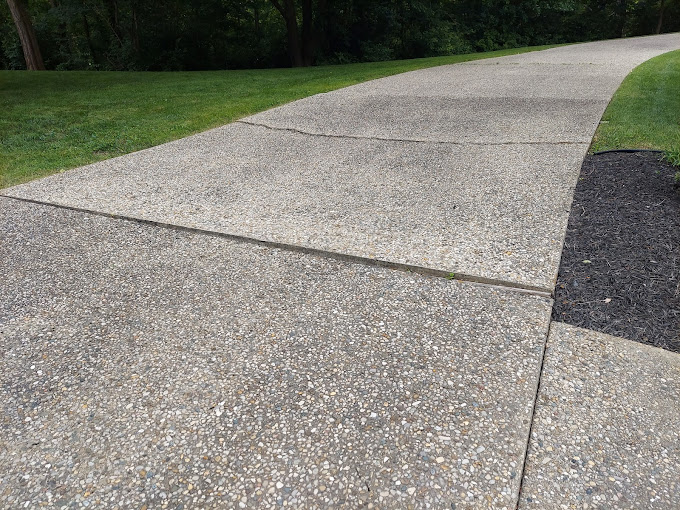
A sunken or uneven patio can be more than just an eyesore; it can be a tripping hazard and a sign of underlying issues. Many homeowners in the Greater Indianapolis Area believe that the only solution is to tear out the old concrete and pour a new slab. However, there is a faster, cleaner, and more affordable alternative: concrete lifting. This innovative technique can restore your patio to its original level and appearance, often in just a few hours.

This guide will walk you through everything you need to know about concrete lifting for patios. We’ll explore why patios sink, how concrete leveling works, its benefits over replacement, and what you can expect from the process. By the end, you’ll understand how this efficient repair method can save you time, money, and hassle, allowing you to enjoy your outdoor space once again.

Call 317-777-4973 for Professional Concrete Patio Leveling in Indianapolis Indiana

Why Do Concrete Patios Sink?

Your beautiful concrete patio, once a perfect spot for summer barbecues and relaxing evenings, can develop problems over time. Understanding the cause of a sinking patio is the first step toward finding the right solution. Several factors, common in the Indianapolis area, contribute to uneven or sunken concrete slabs.

Soil Compaction and Settling

When your home was built, the soil around the foundation was likely disturbed. If this soil wasn’t properly compacted before the patio was poured, it will naturally settle over time, creating voids beneath the concrete slab. This lack of support causes the patio to sink and crack.

Water Erosion

Water is a primary culprit. Poor drainage, leaky downspouts, or improper grading can channel water underneath your patio. This water flow can gradually wash away the soil supporting the slab, leading to voids and eventual sinking.

Freeze-Thaw Cycles

Indiana’s climate includes harsh freeze-thaw cycles. During the winter, water that seeps beneath the concrete freezes and expands, pushing the slab upward. When it thaws, the slab settles back down, but often unevenly. Repeated cycles can weaken the soil structure and cause significant movement.

Pest Activity & Tree Roots

Burrowing animals like groundhogs and moles can create extensive tunnels beneath your patio, compromising the soil’s stability and leading to sinking. Tree roots can also be a contributing factor to heaving or sunken concrete.

These issues not only create an uneven surface but can also lead to significant cracks as the concrete slab is put under stress. Addressing the root cause with a solution like concrete lifting is crucial for a long-lasting repair.

Concrete Lifting: An Efficient and Lasting Solution

Concrete lifting, also known as concrete leveling or concrete raising, is a process designed to lift and stabilize sunken concrete slabs. Instead of demolishing and replacing the entire patio, this method injects material underneath the slab to fill voids and raise it back to its original position. It’s a highly effective concrete patio repair technique that addresses the underlying problem of poor soil support without the disruption of a full replacement.

Polyurethane Foam Injection

A modern and increasingly popular method is polyurethane foam injection. This technique uses a high-density, structural-grade polymer foam. Small, dime-sized holes are drilled into the sunken slab, and the two-part liquid foam is injected beneath it.

As the components mix, the foam undergoes a chemical reaction, rapidly expanding to fill every void and gently lifting the concrete. This concrete lifting foam is lightweight, waterproof, and cures within minutes, creating a strong, stable, and long-lasting base for your patio.

View Our Concrete Patio Repair & Leveling Solutions 🔎

The Clear Benefits of Concrete Lifting

When faced with a sinking patio, homeowners often weigh the options of repair versus replacement. Concrete lifting offers several compelling advantages that make it the superior choice in most situations.

  • Cost-Effective: Concrete lifting typically costs 50-70% less than tearing out and replacing your patio. Demolition, removal, and pouring new concrete is a labor-intensive and expensive project.
  • Fast and Convenient: Most patio leveling projects can be completed in just a few hours. You can walk on your patio almost immediately after the job is done and place furniture back within a day. A full replacement can take days or even weeks.
  • Minimal Disruption: The process is clean and doesn’t disturb your surrounding landscape. There’s no heavy machinery tearing up your lawn, and the small drill holes are barely noticeable once patched.
  • Long-Lasting Results: High-density polyurethane foam is incredibly durable and waterproof. It won’t wash away or break down over time, providing a stable foundation for your patio for years to come.
  • Environmentally Friendly: Repairing your existing patio instead of replacing it keeps a large amount of concrete out of landfills. The polyurethane foam itself is also inert and won’t leach chemicals into the soil.

The Concrete Lifting Process: A Step-by-Step Guide

The process for lifting a concrete patio with polyurethane foam is straightforward and efficient. Here’s what you can expect:

  • Assessment: A professional technician will assess your patio to determine the cause and extent of the sinking and plan the injection strategy.
  • Drilling: Small, strategically placed holes (about 5/8-inch in diameter) are drilled through the sunken sections of the patio slab.
  • Injection: The liquid polyurethane foam is injected through the holes. The technician carefully controls the flow to ensure a gradual and even lift.
  • Lifting: The expanding foam fills the voids beneath the slab and gently raises it back to the desired level.
  • Finishing: Once the slab is level, the injection holes are cleaned and patched with a polymer cement that closely matches your existing concrete.
  • Cleanup: The work area is cleaned, leaving your patio ready for immediate use.

Frequently Asked Questions About Patio Leveling

How long does concrete lifting last?

When done with high-quality polyurethane foam, the repair is considered permanent. The foam is waterproof and doesn’t break down, so it will support the slab indefinitely unless a new, significant underlying soil issue develops.

What are the signs my patio needs concrete lifting?

Common signs include uneven sections, water pooling, cracks appearing, or a noticeable slope toward your home’s foundation. If you can slip a coin or key under the edge of a slab, it’s likely sunken.

How soon can I use my patio after concrete lifting?

You can walk on the patio almost immediately after the crew finishes. It’s recommended to wait about 24 hours before placing heavy furniture, grills, or planters back on the surface.

Can concrete lifting fix large cracks in my patio?

Concrete lifting stabilizes the slab and can close or reduce the appearance of many cracks. However, it is not a concrete patio crack repair solution on its own. After lifting, existing cracks can be sealed to prevent water intrusion and improve appearance.

Will concrete lifting damage my landscaping?

No. The process is minimally invasive. All equipment is portable, and there’s no need for heavy machinery that would damage your lawn or garden beds.

Take the First Step to a Better Patio

A sunken or uneven patio doesn’t have to ruin your outdoor enjoyment or drain your bank account. Concrete lifting offers a modern, efficient, and affordable solution to restore the safety and beauty of your space. For homeowners in the Greater Indianapolis Area, this repair method provides a lasting fix that allows you to get back to enjoying your patio in no time.

If you’re ready to fix your sinking patio, don’t wait for the problem to get worse. Contact our professional to see if concrete lifting is the right solution for you. Request a Free Quote Today and take the first step toward reclaiming your perfect outdoor space.

Call Now to Book Service

Related Post: Top 5 Signs Your Concrete Needs Leveling or Lifting