The Ultimate Guide to Leveling Sunken Garage Floors

Your garage floor takes a beating every day. It supports the weight of your vehicles, withstands changing temperatures, and shrugs off spills and impacts. So when that floor starts to sink, it’s easy to overlook the early warning signs—until the problem becomes hard to ignore.

A sunken garage floor isn’t just an eyesore. It can signal deeper issues with the soil beneath your home, create safety hazards, and chip away at your property’s value. The good news? With the right professional help, restoring a level, safe garage floor is often quicker and more affordable than you might expect.

This guide walks you through what causes sunken garage floors, the warning signs to watch for, and why professional concrete leveling is the smartest path forward.
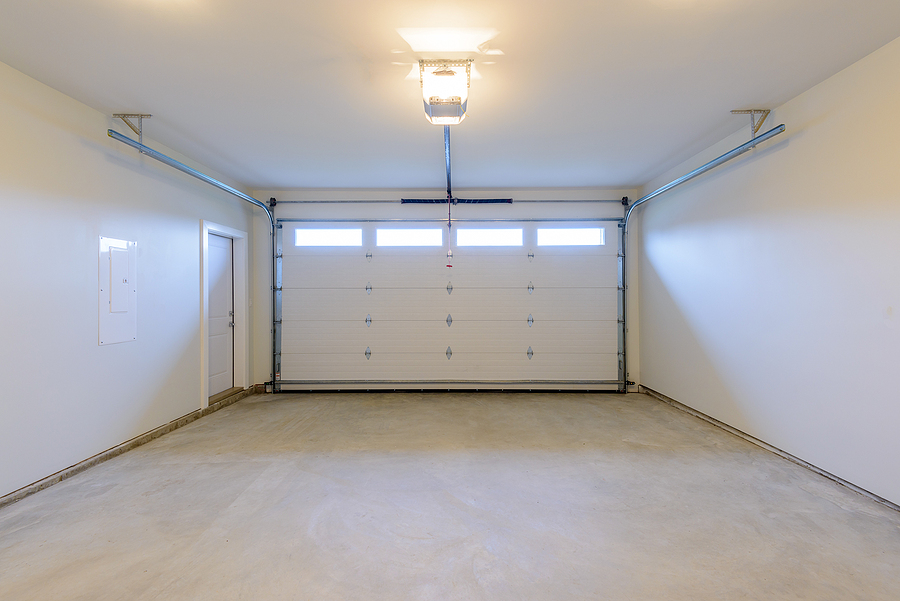
Sunken Garage Floor Repair in Indianapolis
Get Sunken Garage Floor Repair in Indianapolis

What Causes Sunken Garage Floors?

Concrete is strong, but it relies on the soil underneath to stay stable. When that soil shifts or settles, the floor loses its support and begins to sink.

Several factors can lead to this:

  • Soil erosion: Water washing away the soil beneath the slab leaves empty pockets that the concrete eventually sinks into.
  • Poor soil compaction: If the ground wasn’t packed tightly during construction, it can settle over time.
  • Moisture changes: Soil expands when wet and contracts when dry. These constant shifts weaken the foundation under your floor.
  • Plumbing leaks: A hidden leak can saturate and wash away supporting soil.

Once the soil gives way, gravity does the rest.

Why Addressing Sunken Floors Matters

A sinking floor rarely fixes itself. Left alone, the problem tends to grow—and so does the cost of repair. Catching it early protects your garage, your vehicles, and the structural health of your home.

How to Spot the Signs of a Sunken Garage Floor

Knowing what to look for can help you act before a small dip becomes a major repair. Here are the most common red flags.

Visible Cracks and Uneven Surfaces

Cracks running across the concrete, gaps along the walls, or a noticeable slope are clear signs the slab has shifted. If you set a ball down and it rolls on its own, your floor is no longer level.

Drainage Issues and Water Accumulation

A sunken floor changes the way water flows. If you notice puddles forming in spots that used to stay dry, the slab has likely dropped, creating low points where water collects.

Difficulty with Garage Doors

When the floor shifts, it can throw off the alignment of your garage door frame. Doors that stick, scrape, or refuse to close evenly often point to a settling slab.

Pests and Trip Hazards

Gaps and cracks give insects and rodents an easy way inside. Uneven surfaces also create trip hazards for your family and anyone working in the garage.

The Dangers of Ignoring a Sunken Garage Floor

It’s tempting to put off a repair that doesn’t seem urgent. But a sunken floor can lead to serious consequences over time.

Structural Instability and Further Damage

The concrete in your garage often connects to other parts of your home. As one section sinks, it can place stress on adjoining structures, leading to wider cracks and more expensive damage down the road.

Safety Concerns for Family and Vehicles

Uneven floors aren’t just an inconvenience—they’re a hazard. Trip and fall risks rise, and a severely sloped surface can even affect how safely your vehicle sits when parked.

Decreased Property Value

Buyers notice problems like cracked, sloping concrete. A sunken garage floor can raise red flags during inspections and lower your home’s market value or scare off potential buyers altogether.

Professional Solutions for Sunken Garage Floors

While the problem can feel daunting, modern concrete leveling makes repairs faster and less invasive than full replacement.

The Benefits of Professional Concrete Leveling

Professional concrete leveling raises your sunken slab back to its original position without the mess and expense of tearing it out. Compared to a full replacement, leveling is typically more affordable, far quicker, and leaves your garage usable in a fraction of the time.

The Concrete Leveling Process

Most professional leveling follows a straightforward approach. Technicians drill small ports into the slab, then inject a specialized material—often polyurethane foam—beneath the concrete. The material fills the voids in the soil, lifts the slab evenly, and stabilizes the ground below. The ports are sealed, and the floor is ready to use within hours.

Why Professional Expertise Matters

Leveling a slab correctly takes the right equipment, materials, and experience. Professionals can identify the root cause of the settling, choose the proper garage floor repair method, and ensure the fix lasts. A DIY attempt often misses the underlying soil issue, leading the floor to sink again.

How to Choose the Right Concrete Leveling Contractor

Picking the right professional makes all the difference in the quality and longevity of your repair.

What to Look For

  • Experience and specialization in concrete leveling, not just general contracting
  • Proper licensing and insurance to protect you and your property
  • Positive reviews and references from past customers
  • Clear, written estimates with no hidden fees
  • Warranties that stand behind the work

Questions to Ask Potential Service Providers

  • What method do you recommend for my floor, and why?
  • How long will the repair take?
  • Do you offer a warranty, and what does it cover?
  • Can you provide references from similar projects?
  • Is your team licensed and insured?

The answers will help you separate seasoned experts from less reliable options.

Frequently Asked Questions

How long does concrete leveling last?

When done correctly by a professional, concrete leveling can last for many years—often decades. The key is addressing the underlying soil problem, which is exactly what experienced contractors are trained to do.

Is concrete leveling a messy process?

Not at all. Modern leveling is clean and minimally invasive. Technicians drill only small ports into the slab, and most jobs are completed within a few hours, leaving little disruption behind.

Can I repair my sunken garage floor myself?

DIY products exist, but they rarely solve the real issue. Sunken floors are usually caused by soil problems beneath the slab, and fixing them takes professional equipment and know-how. A proper repair protects your investment and prevents the floor from sinking again.

Don’t Wait for the Problem to Grow

A sunken garage floor is a clear sign that something beneath the surface needs attention. The sooner you act, the more you protect your home, your safety, and your property value. Spotting the warning signs early—and bringing in a trusted professional—is the smartest way to keep your garage solid for years to come.

Ready to restore your garage floor? If you’re in Indianapolis or a surrounding town, request a free estimate with EcoLift Concrete Leveling LLC today. Let our concrete lifting experts get your garage back to level grounding.

Call Now

Related Posts:

Uneven Garage Floor? The Complete Guide to Concrete Leveling
How Concrete Leveling Can Save Your Sunken Driveway
How Polyurethane Foam Revolutionizes Concrete Lifting
Uneven Garage Floor? The Complete Guide to Concrete Leveling

Walking into your garage shouldn’t feel like navigating a mountain trail. We rely on these spaces to protect our vehicles, store our tools, and often serve as the main entryway to our homes. However, when the concrete slab beneath your feet starts to sink, crack, or slope unexpectedly, it creates more than just an eyesore—it creates a safety hazard.

An uneven garage floor is a common issue for homeowners, but understanding why it happens is the first step toward fixing it. Typically, the culprit isn’t the concrete itself, but the soil underneath. Over time, soil can erode, shrink due to dryness, or simply settle under the immense weight of the slab and the vehicles parked on top of it. When this support system fails, the concrete has nowhere to go but down.

Ignoring these warning signs can lead to worsening cracks, water drainage issues that damage your foundation, and significant tripping hazards for your family. Fortunately, modern repair techniques have made leveling a garage floor faster, cleaner, and more effective than ever before.

Assessing the Damage: Is Your Garage Floor Sinking?

Before you can determine the right solution, you need to understand the extent of the problem. While some signs of settling are obvious, others can be subtle until they cause significant damage. Here is how to thoroughly inspect your garage floor.

Visual Inspection

Start by looking for the most apparent indicators. Cracks are the most common symptom, but pay close attention to where the floor meets the wall. If you see a gap between the concrete slab and the garage wall, or if the slab has dropped below the driveway level, you are likely dealing with settlement issues.

The Ball Test

If the slope is subtle, you can use a simple household item to check the severity. Place a golf ball or a marble on various spots of the floor. In a properly graded garage, the floor should slope very gently toward the main door to allow water to drain out. However, if the ball rolls toward a specific corner, the middle of the floor, or toward the interior walls of your house, the slab has shifted incorrectly.

Sound Check

Sometimes, the soil has washed away beneath the slab, but the concrete hasn’t cracked yet. This creates a “void.” You can identify these dangerous hollow spots by tapping on the concrete with a broom handle or a heavy rod. A solid thud indicates good support, while a hollow, drum-like sound suggests there is empty space beneath the concrete, meaning a crack or collapse is imminent.

Material Selection: The Power of Polyurethane Foam

For decades, the standard method for fixing sinking concrete was “mudjacking.” This involved pumping a heavy slurry of cement, sand, and water beneath the slab to prop it up. While effective in its time, mudjacking has significant drawbacks: it requires large drill holes, takes days to cure, and adds thousands of pounds of weight to soil that is already struggling to support the floor.

Today, industry experts recommend polyurethane foam injection as the superior solution for residential garage floors.

Why Foam is the Smart Choice

Polyurethane foam offers a modern, engineering-based approach to concrete leveling.

  • Lightweight: Unlike heavy cement, foam is incredibly light. It lifts the concrete without adding further stress to the weak soil below.
  • Waterproof: The foam is hydro-insensitive. It will not wash away if water drainage issues were the original cause of the settlement.
  • Fast Curing: Perhaps the biggest advantage for busy homeowners is speed. Polyurethane foam expands and hardens within minutes. You can usually drive your car back onto the garage floor the very same day the repair is completed.
  • Minimally Invasive: The injection ports for foam are roughly the size of a penny, whereas mudjacking holes can be the size of a soda can. This preserves the aesthetic of your garage floor.

Step-by-Step: How Professionals Level Your Floor

While some home repairs are excellent DIY projects, concrete lifting requires specialized equipment and trained technicians. Understanding the process can help you know what to expect when you hire a professional crew. Here is the typical workflow for a concrete foam injection repair:

1. Preparation and Drilling

The technicians will begin by mapping out the affected areas. Once they identify exactly where the slab needs to be lifted, they drill small, strategic holes through the concrete. These holes are generally about 5/8 of an inch in diameter—small enough to be easily patched and hidden later.

2. Injection

Using a specialized hose and injection gun, the crew injects the two-part polymer foam into the holes. As the fluid enters the void beneath the concrete, a chemical reaction occurs. The material expands rapidly, turning into a rigid, structural foam.

3. The Lift

This is the critical moment where expertise matters. As the foam expands, it fills the voids and begins to exert upward pressure on the slab. The technicians control the injection carefully, lifting the concrete in increments until it is perfectly level with the surrounding floor. They monitor the lift precisely to ensuring the slab doesn’t crack from rising too quickly.

4. Patching and Cleanup

Once the floor is level and stabilized, the injection process stops. The small drill holes are filled with a cementitious grout that matches your existing concrete as closely as possible. Because the process creates no dust or debris, cleanup is minimal, and your garage is ready for use almost immediately.

View Our Garage Leveling & Lifting Solutions Now

Preventing Future Garage Floor Issues

Once your garage floor has been restored to its proper position, you want to ensure it stays that way. Maintenance is key to protecting your investment and preventing the soil from shifting again.

Manage Your Water

Water is the enemy of a stable foundation. Ensure that your gutters and downspouts are clear and functioning correctly. Downspouts should direct water at least five to ten feet away from your garage foundation. If water pools near the garage door or the sides of the structure, it can soften the soil and lead to recurring settlement.

Seal the Concrete

Concrete is porous, meaning it acts like a hard sponge. During winter, water can seep into the concrete, freeze, and expand, causing surface damage and cracks (spalling). Applying a high-quality penetrating sealer protects the surface from moisture, road salts, and oil stains, extending the life of your slab.

Fill the Gaps

If you notice gaps between your driveway and the garage floor, fill them with a flexible polyurethane caulk. This prevents water from running down between the slabs and eroding the soil you just worked so hard to stabilize.

Conclusion

A sinking garage floor is more than a cosmetic nuisance; it is a sign of structural instability that can lead to costly damages if left unaddressed. By identifying the problem early and utilizing modern polyurethane solutions, you can restore the safety and value of your home with minimal disruption to your daily life.

Your home is your most significant investment, and maintaining a solid foundation is crucial for its longevity. Don’t wait for a small crack to become a major crater.

If you reside in Indianapolis and notice your garage floor shifting, it is time to call in the experts. Contact our local concrete leveling specialists today to Schedule A Free Inspection and get your garage back on solid ground.

Call Now to Speak With a Pro

Related Post: Eco-Friendly Concrete Leveling: A Sustainable Solution to Uneven Surfaces