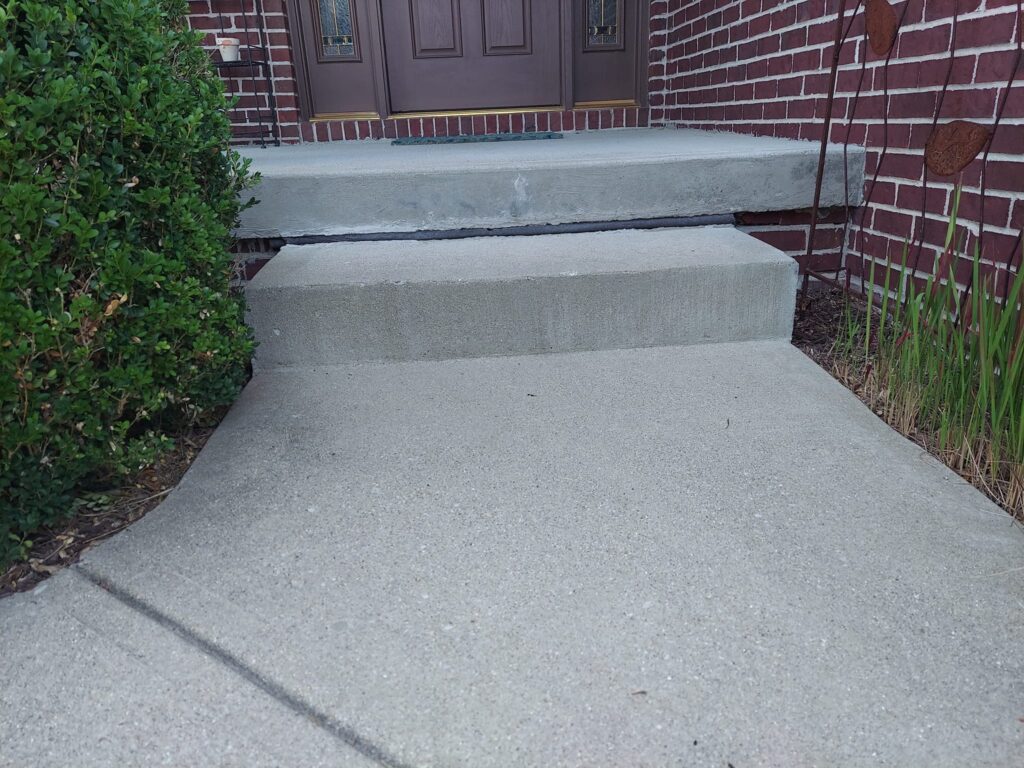
Fix Uneven Slabs: The Benefits of Concrete Lifting

Walking up to your home and seeing a sunken, cracked driveway can feel incredibly frustrating. A sinking concrete slab is an unsightly issue that can cause serious long-term damage to your property value. You might assume that a massive, expensive demolition project is your only option.

Fortunately, repairing sinking pavements does not require tearing up your entire yard. Concrete lifting provides a highly effective alternative that restores your surfaces without the massive price tag.

By understanding how this process works, you can make an informed decision for your home. This guide explains the mechanics of concrete lifting, explores its many benefits, and shows you why repairing your slabs is almost always a better choice than replacing them.
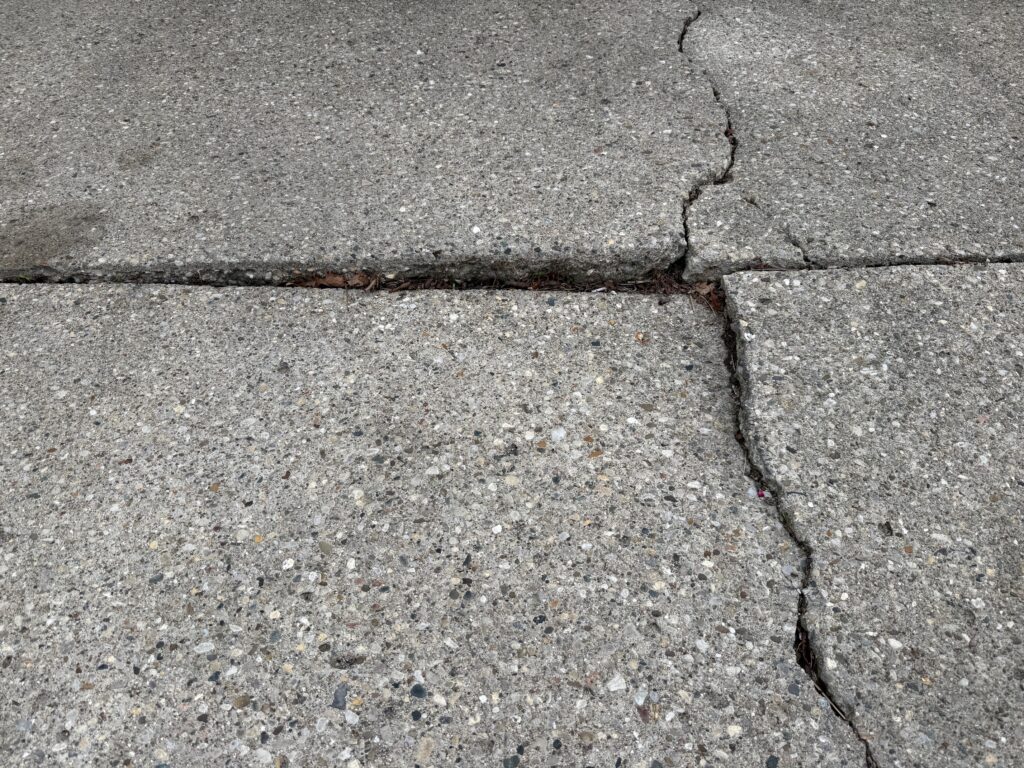
Concrete Lifting Benefits

Understanding Concrete Lifting: The Modern Solution to Sunken Slabs

Soil naturally shifts and settles over time. In regions like central Indiana, expansive soils and poor drainage frequently cause the ground beneath your concrete to compress or wash away. When the soil sinks, your heavy concrete slabs sink right along with it.

What is Concrete Lifting?

Concrete lifting is a specialized repair method designed to raise and support sunken concrete slabs back to their original position. Instead of removing the old pavement and pouring new cement, technicians inject a stabilizing material directly underneath the existing slab. This fills any empty voids in the soil, gently pushing the concrete back into place.

How Does Concrete Lifting Work?

The process is remarkably straightforward. Technicians drill small, strategically placed holes into the sunken concrete. They then pump a specialized lifting material—typically a high-density polyurethane foam or a slurry mixture—through these holes. As the material expands or fills the space beneath the slab, it creates upward pressure. This safely raises the concrete to an even, level height. Finally, the technicians patch the drill holes, leaving you with a smooth and stable surface.

The Top Benefits of Concrete Lifting

Choosing to lift your concrete rather than replace it comes with several distinct advantages. Homeowners and property managers consistently find that lifting provides a superior overall experience.

Significant Cost Savings: Repair, Don’t Replace

Full concrete replacement is an expensive undertaking. You have to pay for demolition, debris removal, new materials, and extensive labor. Concrete lifting requires much less labor and zero demolition. On average, lifting a sunken slab costs between 30% and 50% less than the price of a complete replacement.

Time Efficiency: Quick and Non-Disruptive Process

Pouring new concrete requires days of curing time. During that period, you cannot drive or walk on the surface. Concrete lifting, on the other hand, is usually completed in a matter of hours. The materials cure very rapidly, allowing you to resume your normal routine almost immediately.

Enhanced Safety: Eliminating Trip Hazards

Uneven sidewalks and driveways create dangerous trip hazards for your family, guests, and delivery drivers. A sudden fall can lead to severe injuries and potential liability issues. Leveling your concrete eliminates these dangerous ledges, keeping your property safe and accessible.

Improved Aesthetics and Property Value

Curb appeal matters. Sunken, tilted slabs make a property look neglected and poorly maintained. Leveling your concrete instantly improves the visual harmony of your exterior spaces. A well-maintained driveway or patio signals to neighbors and potential buyers that your home is structurally sound.

Environmental Advantages: Reducing Waste

Demolishing a concrete slab generates a massive amount of heavy rubble that usually ends up in a local landfill. Furthermore, producing new cement is a highly carbon-intensive process. Concrete lifting preserves your existing materials. By fixing what you already have, you drastically reduce your environmental footprint.

Common Applications for Concrete Lifting

This versatile repair method works beautifully on almost any paved surface. If you have a slab that has settled, lifting can likely restore it.

Driveways and Walkways

Driveways bear the heavy weight of vehicles every single day. When the soil beneath them washes away, large cracks and dips form. Driveway lifting stabilizes the subgrade and restores a smooth path to your garage.

Patios and Pool Decks

A sloping pool deck pushes water toward your foundation or creates hazardous puddles. Concrete lifting precisely levels these recreational areas, ensuring proper water runoff and a safe environment for barefoot walking.

Garage Floors and Interior Slabs

Settling soil can cause your garage floor to sink, creating a large gap beneath your garage door. In severe cases, interior basement floors can also drop. Lifting materials are easily pumped into enclosed spaces to fix these structural issues without creating a dusty mess inside your home.

Commercial and Industrial Applications

Business owners rely on smooth surfaces for safe foot traffic and efficient warehouse operations. Uneven floors disrupt forklift traffic and pose risks to employees. Commercial concrete lifting quickly resolves these issues with minimal downtime for the business.

Concrete Lifting vs. Concrete Replacement: A Clear Comparison

When you face a sunken slab, you must choose between repairing or replacing it. Evaluating the two options side-by-side reveals why lifting is so highly recommended.

Cost and Time

Replacement requires heavy machinery, large crews, and days of curing. You pay a premium for all of that labor and equipment. Lifting requires a small crew, minimal equipment, and finishes in a few hours. The cost savings and convenience strongly favor lifting.

Environmental Impact

As mentioned earlier, replacement creates immense landfill waste. Concrete lifting services are a green alternative. Polyurethane foams used in modern lifting are often made with environmentally friendly materials that do not leach harmful chemicals into your soil.

Longevity and Durability

New concrete poured over the same unstable soil will eventually sink again. The core issue—poor soil support—remains unfixed. Concrete lifting actually addresses the root cause. The injected materials compress the loose soil and fill the voids, creating a highly stable foundation that can support your slab for decades.

Frequently Asked Questions about Concrete Lifting

How long does concrete lifting last?

When performed correctly, concrete lifting offers a permanent solution. High-density polyurethane foam is incredibly durable. It does not wash away with water and resists natural degradation. You can expect a lifted slab to remain stable for the lifespan of the concrete itself.

Is concrete lifting suitable for all types of concrete issues?

While lifting is highly effective for sunken slabs, it cannot fix everything. If your concrete is severely crumbled, completely crushed, or suffering from deep structural failure, replacement might be necessary. A professional inspection can determine if your slab is a good candidate for lifting.

Will the color of the concrete change?

Because you are keeping your original concrete, the main surface color remains exactly the same. The only visible change will be the small, patched drill holes. Technicians carefully mix the patching cement to blend in with your existing slab as closely as possible.

How soon can I use the repaired area?

One of the best features of modern polyurethane lifting is the rapid cure time. You can typically walk on the repaired slab within 15 minutes. You can safely park your car on a lifted driveway within just a few hours.

What is the difference between mudjacking and polyjacking?

Mudjacking uses a heavy slurry mixture of soil, water, and cement to lift the slab. It requires drilling larger holes and adds significant weight to the soil below. Polyjacking uses a lightweight, expanding polyurethane foam. Polyjacking requires much smaller drill holes, cures faster, and won’t burden the underlying soil with extra weight.

A Smart Investment for Your Property

Dealing with sinking concrete is stressful, but the solution does not have to be. Understanding how concrete lifting repairs your property empowers you to make a smart, economical choice. You can avoid the high costs and messy disruptions of a total replacement. By choosing to lift and level your slabs, you restore the safety, beauty, and value of your home in just a matter of hours.

If you are dealing with sunken driveways, sidewalks, or patios, do not wait for the problem to worsen. We offer affordable and fast concrete lifting services in Indianapolis and surrounding towns. Request a free, on-site estimate today and let us help you get your concrete back on solid ground.

Place Your Call Now

Related Post: Top 5 Signs Your Concrete Needs Leveling or Lifting
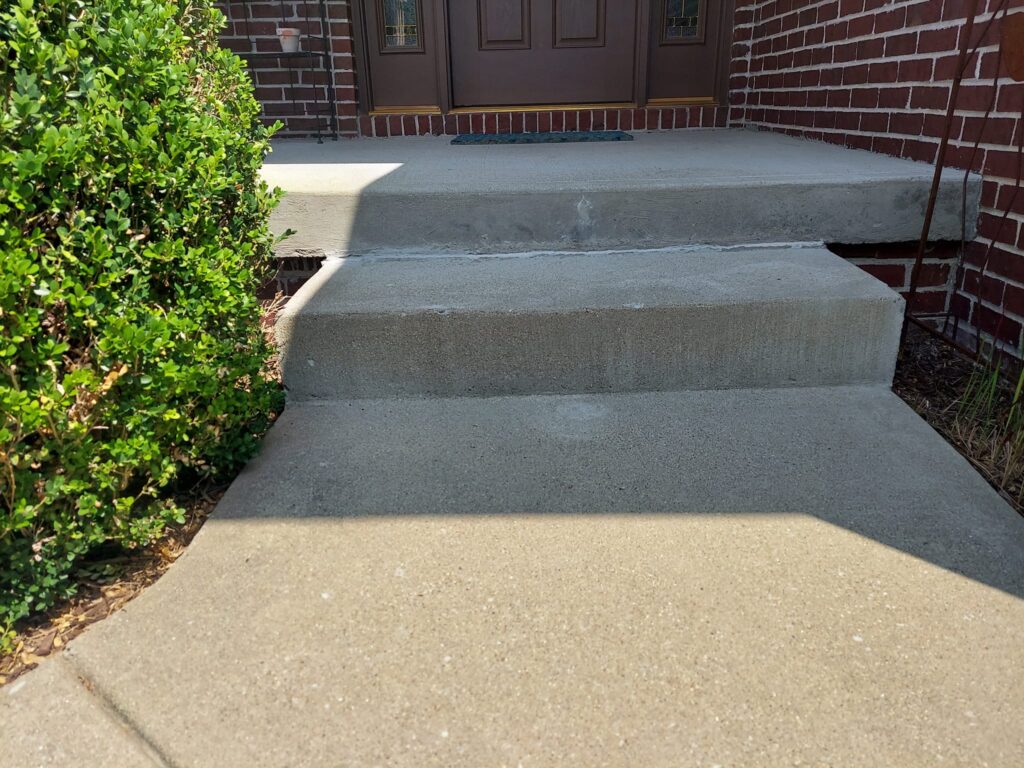
Revive Your Sinking Porch: The Guide to Concrete Lifting

A welcoming front porch sets the tone for your entire home. It offers a place to greet guests, enjoy a quiet morning coffee, and frame the entrance to your living space. However, seeing that beautiful entryway slowly sink, tilt, or crack can quickly turn a source of pride into a source of stress.

A damaged porch is a visible flaw that actively compromises the safety and structural integrity of your property. Left untreated, settling concrete only worsens over time, leading to more expensive and invasive repairs down the road.

Understanding how concrete affects your property is crucial for maintaining a safe, valuable home. Fortunately, removing and repouring the slab is rarely your only option. Concrete lifting offers a highly effective, minimally invasive way to restore your porch to its original position. By addressing the root causes of the settling, you can permanently protect your entryway.

Read on to learn exactly why concrete porches sink and how modern lifting techniques can save your concrete.

Understanding Why Concrete Porches Sink and Crack

Concrete is an incredibly durable material, but it relies entirely on the ground beneath it for support. When that foundation shifts, the heavy slab above has no choice but to follow.

Soil Erosion, Water Damage, and Poor Drainage

In areas like Indianapolis, the local soil composition plays a massive role in concrete health. The region experiences distinct seasons, leading to harsh freeze-thaw cycles. During wet periods, expansive clay soils absorb water and swell. When the dry summer heat arrives, that same soil shrinks, creating empty voids beneath your porch. Poor drainage exacerbates this issue. If gutters empty directly next to your porch, the rushing water will physically wash the soil away, completely undermining the slab.

Trip Hazards, Water Pooling, and Diminished Curb Appeal

When the soil washes away, the unsupported concrete eventually cracks and sinks under its own weight. This creates severe tripping hazards for anyone walking up to your front door. Furthermore, a sunken porch often tilts toward the home rather than away from it. Rainwater then pools against your foundation walls, significantly increasing the risk of basement leaks and water damage.

The Solution: Concrete Lifting to the Rescue

If your porch is structurally sound but physically sinking, tearing it out is an unnecessary expense. Concrete lifting addresses the underlying soil issues while preserving your existing slab.

What is Concrete Lifting?

Concrete lifting involves injecting a specialized material beneath the sunken slab to fill voids and carefully raise the concrete back to a level position. There are two primary methods used today:

  1. Mudjacking: An outdated and messy method that pumps a thick slurry of water, soil, sand, and Portland cement under the concrete.
  2. Polyjacking: A modern, highly preferred technique that injects high-density polyurethane foam. The foam expands rapidly to lift the slab with extreme precision.

How Concrete Lifting Works

The process is remarkably straightforward. Technicians drill small, strategically placed holes into the sunken sections of your porch. They attach custom valves to these holes and slowly pump the lifting material underneath the slab. As the void fills, the pressure gently raises the concrete. Once the porch is level, the team removes the valves and carefully patches the drill holes.

Benefits of Concrete Lifting

Lifting your porch instantly eliminates dangerous trip hazards and corrects drainage issues. It also restores the structural support beneath the concrete, preventing future cracking and extending the lifespan of your entryway by decades.

Restoring Charm: Enhancing Your Porch’s Appearance

Your home’s exterior makes the first impression, and a well-maintained porch is a massive part of that aesthetic appeal.

Eliminating Unsightly Cracks and Uneven Surfaces

Sunken concrete creates jagged, uneven steps and gaping cracks that immediately draw the eye for all the wrong reasons. Lifting the slab realigns the concrete segments, instantly smoothing out the approach to your home.

Preparing for Decorative Finishes and Landscaping

A level, stable surface is a prerequisite for any exterior home improvements. Once your porch is lifted, you can confidently apply decorative concrete stains, outdoor rugs, or epoxy coatings without worrying about the surface shifting. It also allows you to plant new landscaping around the entryway without fear of ongoing soil washouts.

Boosting Your Home’s Curb Appeal and Resale Value

A cracked, sloping porch is a major red flag for potential homebuyers. It suggests poor home maintenance and hints at potential foundation issues. Restoring your porch to a pristine, level state protects your property value and ensures your home looks its absolute best.

Ensuring Safety: A Stable Foundation for Your Home

While aesthetics are important, the physical safety of your family and guests remains the highest priority.

Preventing Trip Hazards and Falls

A height difference of just half an inch between concrete slabs is enough to cause a severe fall. Elderly visitors and young children are especially vulnerable to these uneven surfaces. Leveling the porch removes these dangerous lips and restores a smooth, predictable walking path.

Improving Water Runoff and Drainage

Concrete porches are originally poured with a slight pitch to direct rainwater away from the house. When a porch sinks, it often slopes backward. Raising the concrete restores the proper pitch, ensuring that heavy rains flow safely into your yard rather than pooling against your siding.

Protecting Your Home’s Foundation from Further Damage

Water pooling against your house does more than damage your siding. It eventually seeps down into the soil surrounding your foundation walls. Over time, this hydrostatic pressure can cause your basement walls to bow, crack, and leak. Fixing your porch pitch actively protects your entire foundation.

Concrete Lifting vs. Replacement: Why Repair is Superior

Many homeowners mistakenly believe that cracked concrete must be thrown away. In reality, repair is almost always the smarter choice.

Cost-Effectiveness of Lifting

Tearing out a concrete porch requires heavy machinery, extensive labor, and exorbitant disposal fees. You then have to pay for new gravel, forms, and freshly poured concrete. Concrete lifting typically costs half the price of a full replacement, leaving you with money to spend on other home improvements.

Time Efficiency and Minimal Disruption

A full concrete replacement turns your front yard into a construction zone for days, and the new concrete takes weeks to fully cure. Conversely, concrete lifting is usually completed in a few hours.

Eco-Friendly Approach

Lifting your concrete is vastly better for the environment. It keeps heavy concrete slabs out of local landfills. Furthermore, modern polyjacking uses non-toxic polyurethane foam that is frequently made from recycled materials. Once cured, the foam is completely inert, meaning it will never leach harmful chemicals into your soil or groundwater.

The Concrete Lifting Process: What to Expect

Knowing what happens during a repair appointment helps alleviate the stress of home maintenance.

Initial Assessment and Quotation

A professional concrete leveling contractor will visit your home to evaluate the damage, measure the sunken areas, and identify the root cause of the settlement. They will provide a clear, detailed quote outlining exactly what needs to be done.

The Injection Process

On the day of the repair, technicians will drill holes as small as 5/8 of an inch (about the size of a dime) into the concrete. They inject the polyurethane foam, carefully monitoring the lift to ensure the porch rises evenly and accurately.

Curing Time and Immediate Use

One of the greatest advantages of polyjacking is the rapid cure time. The polyurethane foam hardens and reaches full strength within 15 minutes. You can walk on your porch and use your front door the very same day.

Maintaining Your Revived Porch: Tips for Longevity

Once your porch is perfectly level, a little proactive maintenance goes a long way.

Proper Drainage Solutions

Keep water away from your concrete. Ensure your gutters are clean and that your downspouts discharge water at least five feet away from your porch. This prevents the soil erosion that caused the sinking in the first place.

Regular Inspections

Take a walk around your porch every spring and fall. Look for new cracks or signs of soil pulling away from the edges of the slab. Catching drainage issues early prevents major voids from forming.

Addressing Small Issues Promptly

If you notice small cracks appearing, have them filled immediately with a high-quality, self-leveling concrete caulk. Sealing concrete cracks prevents rain and melting snow from seeping beneath the slab and restarting the freeze-thaw damage cycle.

Frequently Asked Questions about Porch Lifting

Is concrete lifting permanent?

Yes, especially when using polyurethane foam. The foam is highly durable, waterproof, and will not break down over time. As long as you maintain proper drainage to prevent future soil washouts, the lift will last for the lifetime of the concrete.

How long does the process take?

Most residential concrete lifting projects, including front porches, walkways, and driveways, are completed in just two to four hours.

Can all concrete porches be lifted?

Most sunken porches can be lifted. However, if the concrete is severely crumbled, pulverized, or structurally compromised beyond repair, a full replacement may be necessary. A professional inspection will confirm if your porch is a good candidate.

What is the cost of concrete lifting?

Costs vary depending on the size of the porch and the severity of the drop. However, it is consistently 50% to 70% cheaper than the cost of a total tear-out and replacement.

Reclaim Your Porch’s Beauty and Functionality

A sinking porch is a stressful problem, but it is entirely solvable. By choosing concrete lifting, you eliminate safety hazards, protect your home’s foundation from water damage, and restore your property’s curb appeal. Best of all, you achieve these results quickly and affordably, without the mess of a massive construction project.

Don’t let a sinking entryway compromise the safety and beauty of your home. If you are dealing with uneven steps or settling slabs, we are here to help. Contact us today for expert concrete porch lifting and crack filling services in Indianapolis and the surrounding towns.

Schedule a Free Inspection

Related Post: Concrete Lifting for Patios: Restore Your Outdoor Space in Hours