Is Garage Floor Leveling Right for Your Concrete Repair Needs?

A cracked, sloped, or sunken garage floor is more than a cosmetic nuisance—it’s a daily inconvenience that can quietly worsen over time. Many homeowners first notice the problem when a bike keeps rolling toward one corner, or when rainwater pools near the garage door instead of draining outside.

Garage floor leveling is one of several concrete repair solutions available, but it isn’t always the right fit for every situation. Some floors need a simple patch. Others require full resurfacing or even replacement. Understanding which category your garage falls into can save you time, money, and future headaches.

This guide walks through the signs that point to leveling, how it compares to other repair options, what the process looks like, and the costs you can expect—so you can make a confident, informed decision about your concrete.
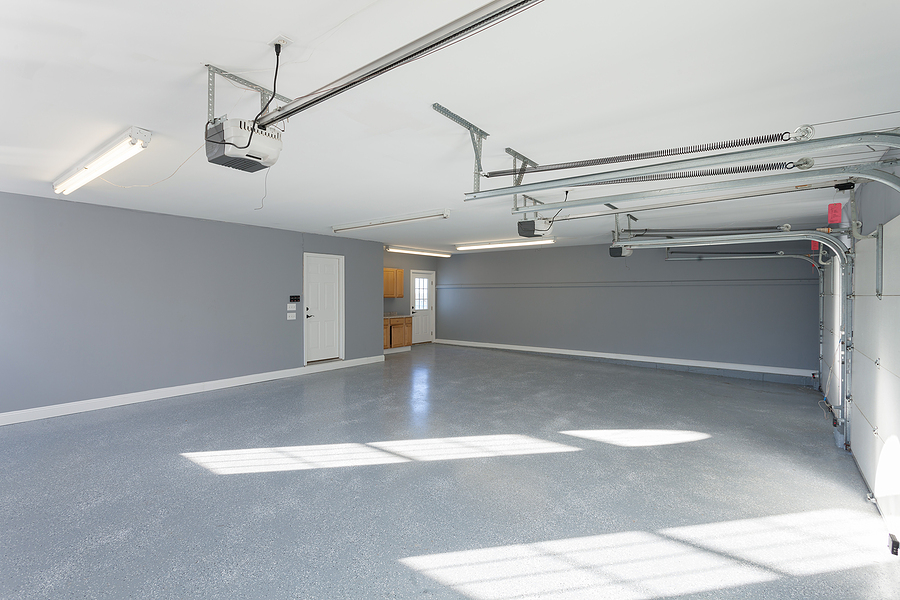
Garage Floor Leveling

When Garage Floor Leveling Makes Sense

Identifying the right time to level your garage floor is key to preventing minor issues from becoming costly repairs. Here’s what to look for:

Signs Your Garage Floor Needs Leveling

Not every crack or blemish means you need leveling work. Look for these more telling signs:

  • Visible height differences between sections of concrete
  • Cracks paired with noticeable sinking or displacement
  • Standing water or pooling after rain
  • Sloped areas that cause items to roll or shift
  • Concrete that feels loose or unstable underfoot

If you notice several of these signs together, your garage floor is likely dealing with more than surface-level wear.

How Uneven Floors Develop Over Time

Concrete slabs don’t become uneven overnight. Common culprits include soil settlement beneath the slab, inadequate compaction during original construction, and moisture fluctuations in the ground. In climates like Indianapolis, freeze-thaw cycles add another layer of stress, causing the soil beneath the slab to expand and contract throughout the year.

Heavy vehicle loads, chemical exposure from fluids or deicing salts, and simple aging also chip away at a slab’s integrity, gradually creating the dips and cracks homeowners eventually notice.

Safety and Functional Concerns

An uneven garage floor isn’t just an eyesore—it’s a legitimate safety concern. Trip hazards, difficulty parking, and even damage to stored items are common consequences. Poor drainage from a sloped floor can also lead to moisture problems that affect the durability of the slab and anything stored on it.

Alternative Concrete Repair Options

Leveling isn’t the only path forward. Depending on the extent of the damage, one of these options might make more sense.

Patching and Filling Cracks

For minor surface cracks with no significant sinking, patching compounds offer a straightforward, budget-friendly fix. This approach won’t correct unevenness, but it can extend the life of an otherwise sound slab.

Resurfacing vs. Full Leveling

Resurfacing combines grinding with a new overlay to address moderate wear and cosmetic damage. It smooths out minor imperfections but doesn’t correct significant sinking the way leveling does. Full leveling, by contrast, addresses the underlying unevenness directly, lifting or filling sections of the slab to restore a flat surface.

Cost Comparison of Repair Methods

MethodBest ForTypical Cost per Sq Ft
PatchingMinor surface cracks$2–$5
Self-leveling compoundDips up to 1 inch$2–$5
Concrete grindingHigh spots, ridges$3–$7
Full resurfacingModerate surface damage$8–$15
Mudjacking/foam levelingSunken slabs, larger dips$2–$5

How Professional Leveling Works

A qualified contractor starts with an assessment, using a straightedge or laser level to map high and low spots across the floor. From there, they determine the root cause—whether it’s soil settlement, poor original installation, or drainage issues—before recommending a leveling method.

What to Expect During Installation

Depending on the chosen method, this may involve injecting a leveling material beneath the slab to lift it back into place, or applying a self-leveling compound that flows into low areas to create an even surface. Surface preparation, including cleaning and crack repair, is essential for the leveling material to bond properly and last.

Timeline and Disruption to Your Space

Simple leveling projects can often be completed in one to two days, including curing time. More involved jobs, such as those requiring grinding or resurfacing, may take three to five days. Most methods require 24 to 48 hours before the floor can handle foot traffic, and several days before it’s ready for vehicle weight.

Benefits of Leveling Your Garage Floor

  • Improved safety: Removing trip hazards protects everyone who uses the space.
  • Better drainage: A level floor prevents water from pooling near entry points or storage areas.
  • Enhanced appearance: A smooth, even floor instantly improves the look of your garage.
  • Long-term durability: Addressing the underlying cause of unevenness helps prevent the problem from returning, unlike surface-only fixes.

Cost Factors for Garage Floor Leveling

Several variables influence your final price:

  • Square footage: Larger floors require more material and labor.
  • Severity of unevenness: Deeper dips or more extensive sinking increase complexity.
  • Method chosen: Self-leveling compounds tend to cost less than full resurfacing or structural repairs.
  • Site accessibility: Garages with obstacles or limited access may require additional prep work.
  • Regional labor rates: Costs vary depending on your location.

If your budget is tight, self-leveling compound or targeted patching may address the issue without the expense of full resurfacing.

Is Leveling Right for Your Situation?

Before committing to a leveling project, ask yourself:

  • Is the unevenness worsening, or has it stayed the same for years?
  • Are you seeing cracks alongside visible sinking?
  • Does water pool in specific areas after rain?
  • Is the deviation more than an inch across the floor?

If your answers point to ongoing or worsening problems, professional garage floor concrete leveling is likely the right call. If the issues are minor and stable, patching or resurfacing may be sufficient.

Frequently Asked Questions

How long does garage floor leveling take?

Most projects take one to five days, depending on the method and the extent of the damage.

Can I still park my car in the garage during the process?

Typically not until the material has fully cured, which can take anywhere from 24 hours to a week depending on the method used.

Is garage floor leveling a permanent fix?

When the underlying cause is properly addressed, leveling offers a long-term solution. However, ongoing soil movement may require future maintenance.

How do I know if I need leveling versus patching?

If your floor has cracks accompanied by sinking or noticeable height differences, leveling is usually necessary. Surface-only cracks without sinking can often be patched.

Get a Professional Assessment Today

Every garage floor tells its own story, and the right repair depends on the specific issues affecting your slab. Whether you’re dealing with minor cracks or significant sinking, having a professional evaluate your concrete is the best way to choose a lasting solution.

If you’re in the Indianapolis area, EcoLift Concrete Leveling LLC offers expert assessments and reliable garage floor leveling services tailored to your home. Contact us today for a free consultation and take the first step toward a safer, more level garage floor.

Call Now

Related Posts:

Uneven Garage Floor? The Complete Guide to Concrete Leveling
The Ultimate Guide to Leveling Sunken Garage Floors
Reduce Waste with Concrete Lifting: The Green Alternative to Replacement

The Hidden Liability Risk Lurking in Your Unlevel Parking Lot

That small crack in your sidewalk or subtle dip in your parking lot might seem harmless. But for commercial property owners, these minor imperfections carry serious weight. A single uneven surface can turn a routine customer visit into a lawsuit, a workers’ comp claim, or a damaged reputation that takes years to rebuild.

Surface maintenance often falls to the bottom of the priority list, overshadowed by more visible concerns like signage, landscaping, or interior renovations. Yet the ground beneath your customers’ and employees’ feet plays a direct role in your legal and financial exposure. Trip hazards don’t announce themselves. They develop gradually, through settling soil, seasonal freeze-thaw cycles, and everyday wear, until one uneven edge causes a fall.

Understanding why surface maintenance matters, and what you can do about it, can save your business from costly claims down the road. Let’s break down the connection between surface condition and liability, and what proactive property owners can do to stay ahead of the problem.

Parking Lot Tripping Risks

How Surface Condition Creates Liability Exposure

Trip hazards rarely appear out of nowhere. They’re the result of specific, identifiable conditions that build up over time.

Common Causes of Trip Hazards in Commercial Spaces

Several factors contribute to uneven surfaces on commercial properties:

  • Soil erosion and washout: Water seeping beneath concrete slabs erodes the supporting soil, creating voids that cause the surface above to sink.
  • Freeze-thaw cycles: In climates with cold winters, moisture trapped beneath concrete freezes and expands, gradually pushing slabs upward and out of alignment.
  • Tree root intrusion: Aggressive root systems can lift entire sections of pavement or sidewalk from below.
  • Natural settling: Concrete poured over inadequately compacted soil will settle unevenly as the ground shifts beneath it.
  • General wear and tear: Heavy foot traffic, vehicle loads, and years of exposure to the elements naturally degrade surfaces over time.

From Uneven Ground to Injury Claims

Even a small vertical offset can be enough to catch a foot. The Americans with Disabilities Act (ADA) sets a legal benchmark: any vertical change of a quarter-inch or more is classified as a trip hazard. Changes between a quarter-inch and half-inch must be beveled to remain compliant.

When a property fails to meet this standard, the consequences extend beyond a citation. If a customer or employee is injured, the property owner may be held directly responsible for the resulting medical bills, lost wages, and legal fees.

The Numbers Behind Slip-and-Fall Claims

The financial risk here is not hypothetical. According to the Occupational Safety and Health Administration (OSHA), slips and falls account for 15% of all workplace fatalities. The U.S. Bureau of Labor Statistics recorded 450,540 slip-and-fall incidents in its 2021–2022 reporting period alone.

The cost of these incidents adds up quickly. The National Council on Compensation Insurance (NCCI) reported that the average compensation claim for a slip-and-fall injury reached $51,047 in 2022. On a broader scale, the National Institute for Occupational Safety and Health (NIOSH) estimates that workers’ compensation claims and medical costs tied to workplace falls total roughly $70 billion annually.

For property owners, these figures underscore a simple truth: what looks like a minor surface flaw can carry a very real price tag.

Why Regular Maintenance Prevents Costly Problems

Waiting until a trip hazard causes an injury is the most expensive way to address the issue. Regular, proactive maintenance offers a far more predictable and manageable path forward.

Catching Small Problems Before They Grow

A hairline crack or slight dip is far easier and cheaper to fix than a fully sunken slab or a widespread section of damaged pavement. Routine inspections allow property owners to identify these early warning signs and address them before they become safety hazards or expensive repair projects.

Preventative Care Reduces Emergency Repairs

Emergency repairs come with a premium. Rush scheduling, unplanned labor costs, and business disruption all add to the final bill. A structured maintenance plan, by contrast, allows repairs to be scheduled efficiently and budgeted for in advance, reducing both cost and downtime.

Staying Ahead of ADA Compliance

Maintaining ADA-compliant surfaces isn’t a one-time achievement. It requires ongoing attention as concrete shifts, settles, and wears over time. Regular inspections help ensure your property continues to meet accessibility standards, protecting you from both legal liability and the reputational harm that follows an accessibility complaint.

Maintenance Needs Vary by Surface Type

Not all surfaces age the same way, and understanding these differences helps property owners target maintenance efforts effectively.

Concrete Surfaces and Settling Issues

Concrete sidewalks, entryways, and loading areas are particularly vulnerable to settling caused by soil erosion and freeze-thaw cycles. Left unaddressed, this settling creates the vertical offsets that define ADA trip hazards.

Asphalt Parking Lots and Deterioration Patterns

Asphalt deteriorates differently, typically showing signs of wear through cracking, potholes, and alligatoring (a pattern of interconnected cracks resembling reptile skin). Water infiltration is often the root cause, weakening the base layer beneath the surface.

Indoor Flooring and Wear Prevention

Indoor surfaces face their own challenges. High-traffic areas near entrances, transitions between flooring materials, and spaces exposed to moisture all require regular attention to prevent the kind of wear that leads to trips and falls.

Professional Surface Leveling Solutions

For concrete surfaces showing signs of settling, professional leveling offers a permanent, cost-effective fix.

How Concrete Leveling Eliminates Trip Hazards Permanently

Modern concrete leveling techniques, such as polyurethane injection, work by filling the voids beneath a sunken slab and lifting it back into proper alignment. Unlike temporary patches, this approach addresses the underlying cause of settling, stabilizing the soil to help prevent the problem from recurring.

The Benefits of Working with Experienced Contractors

An experienced concrete leveling contractor brings more than technical skill. They understand ADA specifications, recognize the early signs of surface failure, and can recommend the right repair method for your property’s specific conditions. This expertise helps ensure the fix lasts, rather than becoming a recurring expense.

What to Expect From a Professional Assessment

A thorough surface assessment typically includes an inspection of all walkways, parking areas, and entry points, identification of any current or developing trip hazards, and a clear explanation of recommended repairs along with associated costs. This gives property owners the information they need to make an informed decision, without the pressure of an active emergency.

Frequently Asked Questions

How often should commercial surfaces be inspected?

Most commercial properties benefit from a professional surface inspection at least twice a year, ideally before and after winter weather. Properties in areas with significant freeze-thaw cycles or heavy foot traffic may need more frequent checks.

What’s the cost difference between maintenance and emergency repairs?

Preventative maintenance is consistently more affordable than emergency repairs, which often involve rush scheduling, unplanned labor, and greater business disruption. Addressing small issues early keeps costs predictable and manageable.

Can leveling fix all types of surface problems?

Concrete leveling is highly effective for slabs that have settled due to soil erosion, freeze-thaw cycles, or natural settling. However, concrete that is severely cracked or structurally compromised may require replacement rather than leveling. A professional assessment can determine which solution fits your situation.

Protect Your Property, Protect Your People

Safe surfaces are the foundation of a well-run commercial property, both literally and legally. Addressing trip hazards before they cause harm protects your customers, your employees, and your business from the financial and reputational fallout of a preventable accident.

If you’re an Indianapolis property owner concerned about uneven concrete, settling sidewalks, or ADA compliance, EcoLift Concrete Leveling LLC can help. Contact us today for a free surface assessment and take the first step toward a safer property.

Call Now

Related Posts:

Fix Uneven Slabs: The Benefits of Concrete Lifting
Sidewalk Safety: Why Concrete Lifting is the Best Fix for Trip Hazards
Fixing Pool Deck Cracks: The Role of Concrete Lifting in Poolside Safety