
A sunken driveway is more than a cosmetic nuisance—it’s a sign that something has shifted beneath your feet. Maybe you’ve noticed a dip near the garage, a slab that rocks when your car rolls over it, or a crack where water now pools after every storm. Whatever the symptom, the question homeowners ask most often is the same: does this mean tearing out the whole driveway and starting over?
The good news is that replacement isn’t always necessary. Many sunken driveways can be raised back to their original position through a process called concrete lifting, often at a fraction of the cost and disruption of a full replacement. This guide walks through why driveways sink, how lifting compares to replacement, and how to tell which option fits your situation.
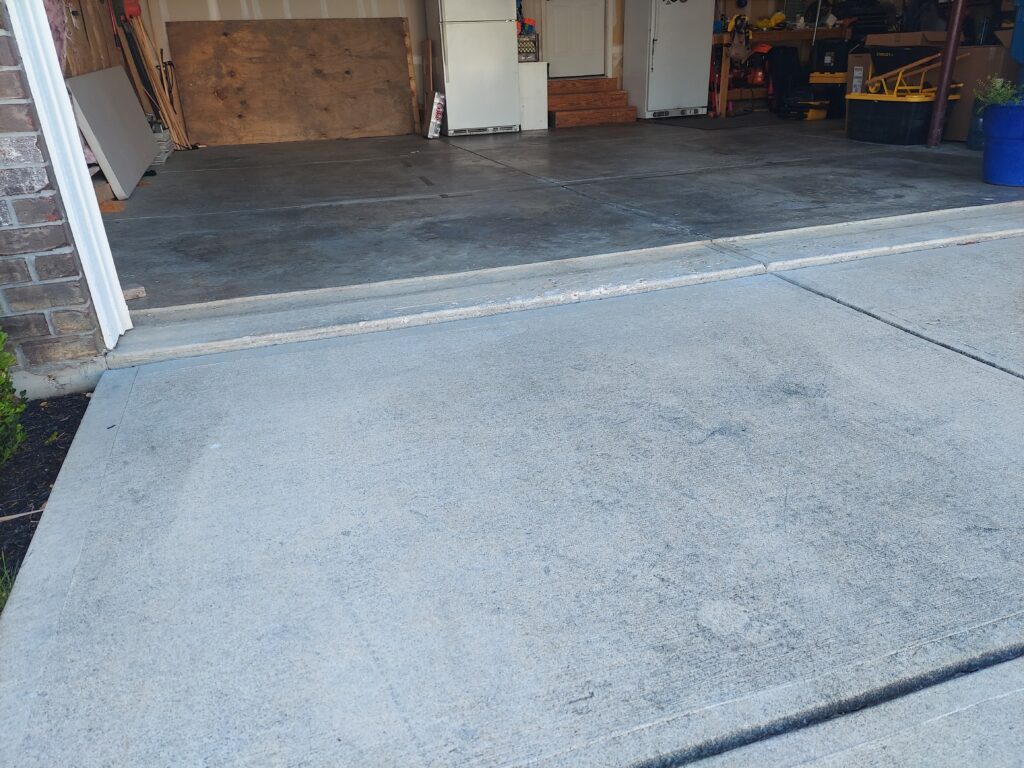
What Causes Driveways to Sink?
Concrete doesn’t move on its own—it sinks because the ground underneath it does. Understanding the root cause helps determine whether lifting is a viable fix.
Soil Erosion and Settling
Over time, water washes fine soil particles out from beneath a slab, leaving gaps that the concrete eventually sinks into. This is one of the most common causes of driveway settling, particularly in areas with loose or sandy soil.
Poor Drainage and Water Damage
When water doesn’t drain away properly, it saturates the soil beneath the driveway, weakening its ability to support weight. Pooling water near the edges of a slab is often an early warning sign of drainage problems.
Tree Roots and Ground Shifts
Nearby tree roots can disrupt soil structure, while natural ground shifts—common in regions with freeze-thaw cycles, like Indiana—cause the earth to expand and contract. This movement puts uneven pressure on concrete slabs.
Age and Wear Over Time
Even well-installed driveways settle gradually as the base material compacts under years of vehicle traffic and weather exposure.
Driveway Lifting vs. Replacement: Key Differences
Once you know a driveway has settled, the next step is weighing your repair options. Lifting and replacement solve the same problem in very different ways.
Cost Comparison
Concrete lifting is generally the more budget-friendly choice. Polyurethane foam lifting, for example, typically costs somewhere in the range of $5 to $25 per square foot, depending on slab size, depth, soil condition, and site access. A full driveway replacement costs considerably more—a standard single-car driveway (around 400 square feet) often runs $4,800 to $7,200, or roughly $12 to $18 per square foot, once demolition, removal, and new materials are factored in. These figures are general ranges; every property is different, so a site-specific estimate is the only way to know your actual cost.
Timeline and Disruption
Lifting is a faster process with far less disruption to your property. Replacement involves breaking up and removing old concrete, preparing a new base, pouring fresh concrete, and waiting for it to cure—often days before the driveway is usable again. Lifting, by contrast, typically allows you to use the driveway again within hours, not days.
Long-Term Durability
Both methods can offer lasting results when performed correctly, but their suitability depends on the extent of the damage. Lifting restores the existing slab to its proper position; it doesn’t replace concrete that is already cracked, crumbling, or structurally compromised.
When Lifting Is the Best Option
Lifting makes the most sense when the concrete itself is still in good condition and only the positioning has changed due to settling soil. If the slab is structurally sound, lifting can solve the problem without the cost and mess of starting over.
How Concrete Leveling Works
Concrete leveling—often called slabjacking—raises a sunken slab back to its original height by filling the voids beneath it.
Overview of the Lifting Process
A concrete lifting contractor drills small holes into the affected slab, injects a lifting material beneath it, and allows that material to fill gaps and raise the concrete back into place. The holes are then patched, leaving a surface that’s level and functional.
Materials and Techniques Used
There are two primary methods:
- Mudjacking uses a slurry of cement, soil, and water pumped beneath the slab through drilled holes.
- Polyurethane injection uses an expanding foam injected through much smaller, coin-sized holes.
Benefits of Polyurethane Foam Injection Over Mudjacking
Polyurethane foam is lightweight, hydrophobic, and resistant to water-related soil issues, which makes it a popular choice in climates with heavy rain or snowmelt. It also cures quickly—often within a few hours—compared to mudjacking, which can take 24 to 72 hours before the area is ready for foot or vehicle traffic.
Mudjacking, although a more budget-conscious option for larger-scale lifting, tends to be messy and invasive.
What to Expect During the Project
Most lifting projects are completed in a single day. The process is far less invasive than replacement since it doesn’t require heavy equipment to break up and haul away old concrete.
Signs Your Driveway Can Be Lifted
Not every sunken driveway is a good candidate for lifting. A few signs suggest the process will work well for your situation:
- Minor to moderate settling without major structural cracks
- Stable surrounding soil that won’t continue shifting after the repair
- A favorable cost-to-benefit ratio, where lifting clearly costs less than replacement
- Overall structural integrity, meaning the slab itself isn’t crumbling or severely damaged
A professional assessment is the most reliable way to confirm whether your driveway meets these criteria.
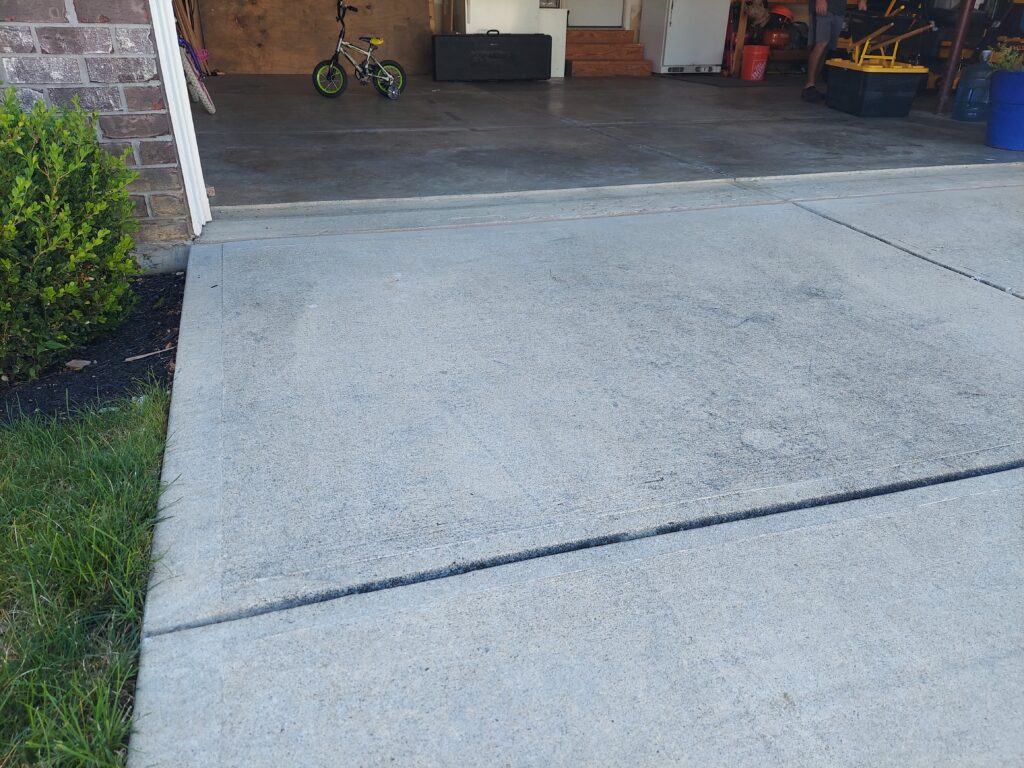
When Replacement Might Be Necessary
Lifting isn’t always the answer. Replacement becomes the better path when:
- Damage is severe, with extensive cracking or crumbling concrete
- Multiple sections have sunk across the driveway, pointing to a widespread issue rather than a localized one
- Underlying soil instability continues to cause movement even after lifting
- Age-related deterioration has gone beyond what leveling can fix
If any of these apply, a contractor can help you weigh the long-term value of replacement against a short-term repair.
If your driveway shows signs of settling, EcoLift Concrete Leveling LLC in Indianapolis, Indiana, can assess whether driveway concrete lifting service is the right fit for your property before you commit to a costly replacement.
FAQ
Is concrete lifting safe for my driveway?
Yes, when performed by an experienced contractor, concrete lifting is a safe and established method for correcting settled slabs. The key is an accurate assessment of soil conditions and slab integrity before the work begins.
How long does a lifted driveway typically last?
Durability depends on soil stability and the materials used. Polyurethane foam resists moisture-related breakdown, which can contribute to a longer-lasting result in areas with heavy rainfall or freeze-thaw cycles.
How much does driveway lifting typically cost?
Costs vary based on square footage, depth of settling, and material used, but lifting is generally more affordable than full replacement. A local estimate is the best way to get an accurate number for your driveway.
How long does the lifting process take?
Most projects are completed within a day, with polyurethane foam allowing traffic again within hours and mudjacking requiring roughly one to three days to cure fully.
Do I need to maintain my driveway after lifting?
Keeping drainage clear and addressing new cracks promptly can help prevent future settling and extend the life of the repair.
Lifting a Driveway Can Save Time, Money, and Hassle
A sunken driveway doesn’t automatically mean a full replacement. In many cases, lifting restores your driveway’s level surface, extends its life, and costs significantly less than tearing it out and starting fresh. The right choice depends on the extent of the damage and the condition of the soil underneath.
If you’re dealing with a sunken or uneven driveway in the Indianapolis area, reach out to EcoLift Concrete Leveling LLC for a professional assessment. Our team can help you determine whether lifting is the right solution for your property—and get your driveway back to level without the cost of starting over.
Related Posts:
How Concrete Leveling Can Save Your Sunken Driveway
Signs You Need Concrete Driveway Leveling
The Benefits of Concrete Driveway Lifting Explained