Concrete Lifting for Patios: Restore Your Outdoor Space in Hours

A sunken or uneven patio can be more than just an eyesore; it can be a tripping hazard and a sign of underlying issues. Many homeowners in the Greater Indianapolis Area believe that the only solution is to tear out the old concrete and pour a new slab. However, there is a faster, cleaner, and more affordable alternative: concrete lifting. This innovative technique can restore your patio to its original level and appearance, often in just a few hours.

This guide will walk you through everything you need to know about concrete lifting for patios. We’ll explore why patios sink, how concrete leveling works, its benefits over replacement, and what you can expect from the process. By the end, you’ll understand how this efficient repair method can save you time, money, and hassle, allowing you to enjoy your outdoor space once again.

Call 317-777-4973 for Professional Concrete Patio Leveling in Indianapolis Indiana

Why Do Concrete Patios Sink?

Your beautiful concrete patio, once a perfect spot for summer barbecues and relaxing evenings, can develop problems over time. Understanding the cause of a sinking patio is the first step toward finding the right solution. Several factors, common in the Indianapolis area, contribute to uneven or sunken concrete slabs.

Soil Compaction and Settling

When your home was built, the soil around the foundation was likely disturbed. If this soil wasn’t properly compacted before the patio was poured, it will naturally settle over time, creating voids beneath the concrete slab. This lack of support causes the patio to sink and crack.

Water Erosion

Water is a primary culprit. Poor drainage, leaky downspouts, or improper grading can channel water underneath your patio. This water flow can gradually wash away the soil supporting the slab, leading to voids and eventual sinking.

Freeze-Thaw Cycles

Indiana’s climate includes harsh freeze-thaw cycles. During the winter, water that seeps beneath the concrete freezes and expands, pushing the slab upward. When it thaws, the slab settles back down, but often unevenly. Repeated cycles can weaken the soil structure and cause significant movement.

Pest Activity & Tree Roots

Burrowing animals like groundhogs and moles can create extensive tunnels beneath your patio, compromising the soil’s stability and leading to sinking. Tree roots can also be a contributing factor to heaving or sunken concrete.

These issues not only create an uneven surface but can also lead to significant cracks as the concrete slab is put under stress. Addressing the root cause with a solution like concrete lifting is crucial for a long-lasting repair.

Concrete Lifting: An Efficient and Lasting Solution

Concrete lifting, also known as concrete leveling or concrete raising, is a process designed to lift and stabilize sunken concrete slabs. Instead of demolishing and replacing the entire patio, this method injects material underneath the slab to fill voids and raise it back to its original position. It’s a highly effective concrete patio repair technique that addresses the underlying problem of poor soil support without the disruption of a full replacement.

Polyurethane Foam Injection

A modern and increasingly popular method is polyurethane foam injection. This technique uses a high-density, structural-grade polymer foam. Small, dime-sized holes are drilled into the sunken slab, and the two-part liquid foam is injected beneath it.

As the components mix, the foam undergoes a chemical reaction, rapidly expanding to fill every void and gently lifting the concrete. This concrete lifting foam is lightweight, waterproof, and cures within minutes, creating a strong, stable, and long-lasting base for your patio.

View Our Concrete Patio Repair & Leveling Solutions 🔎

The Clear Benefits of Concrete Lifting

When faced with a sinking patio, homeowners often weigh the options of repair versus replacement. Concrete lifting offers several compelling advantages that make it the superior choice in most situations.

  • Cost-Effective: Concrete lifting typically costs 50-70% less than tearing out and replacing your patio. Demolition, removal, and pouring new concrete is a labor-intensive and expensive project.
  • Fast and Convenient: Most patio leveling projects can be completed in just a few hours. You can walk on your patio almost immediately after the job is done and place furniture back within a day. A full replacement can take days or even weeks.
  • Minimal Disruption: The process is clean and doesn’t disturb your surrounding landscape. There’s no heavy machinery tearing up your lawn, and the small drill holes are barely noticeable once patched.
  • Long-Lasting Results: High-density polyurethane foam is incredibly durable and waterproof. It won’t wash away or break down over time, providing a stable foundation for your patio for years to come.
  • Environmentally Friendly: Repairing your existing patio instead of replacing it keeps a large amount of concrete out of landfills. The polyurethane foam itself is also inert and won’t leach chemicals into the soil.

The Concrete Lifting Process: A Step-by-Step Guide

The process for lifting a concrete patio with polyurethane foam is straightforward and efficient. Here’s what you can expect:

  • Assessment: A professional technician will assess your patio to determine the cause and extent of the sinking and plan the injection strategy.
  • Drilling: Small, strategically placed holes (about 5/8-inch in diameter) are drilled through the sunken sections of the patio slab.
  • Injection: The liquid polyurethane foam is injected through the holes. The technician carefully controls the flow to ensure a gradual and even lift.
  • Lifting: The expanding foam fills the voids beneath the slab and gently raises it back to the desired level.
  • Finishing: Once the slab is level, the injection holes are cleaned and patched with a polymer cement that closely matches your existing concrete.
  • Cleanup: The work area is cleaned, leaving your patio ready for immediate use.

Frequently Asked Questions About Patio Leveling

How long does concrete lifting last?

When done with high-quality polyurethane foam, the repair is considered permanent. The foam is waterproof and doesn’t break down, so it will support the slab indefinitely unless a new, significant underlying soil issue develops.

What are the signs my patio needs concrete lifting?

Common signs include uneven sections, water pooling, cracks appearing, or a noticeable slope toward your home’s foundation. If you can slip a coin or key under the edge of a slab, it’s likely sunken.

How soon can I use my patio after concrete lifting?

You can walk on the patio almost immediately after the crew finishes. It’s recommended to wait about 24 hours before placing heavy furniture, grills, or planters back on the surface.

Can concrete lifting fix large cracks in my patio?

Concrete lifting stabilizes the slab and can close or reduce the appearance of many cracks. However, it is not a concrete patio crack repair solution on its own. After lifting, existing cracks can be sealed to prevent water intrusion and improve appearance.

Will concrete lifting damage my landscaping?

No. The process is minimally invasive. All equipment is portable, and there’s no need for heavy machinery that would damage your lawn or garden beds.

Take the First Step to a Better Patio

A sunken or uneven patio doesn’t have to ruin your outdoor enjoyment or drain your bank account. Concrete lifting offers a modern, efficient, and affordable solution to restore the safety and beauty of your space. For homeowners in the Greater Indianapolis Area, this repair method provides a lasting fix that allows you to get back to enjoying your patio in no time.

If you’re ready to fix your sinking patio, don’t wait for the problem to get worse. Contact our professional to see if concrete lifting is the right solution for you. Request a Free Quote Today and take the first step toward reclaiming your perfect outdoor space.

Call Now to Book Service

Related Post: Top 5 Signs Your Concrete Needs Leveling or Lifting
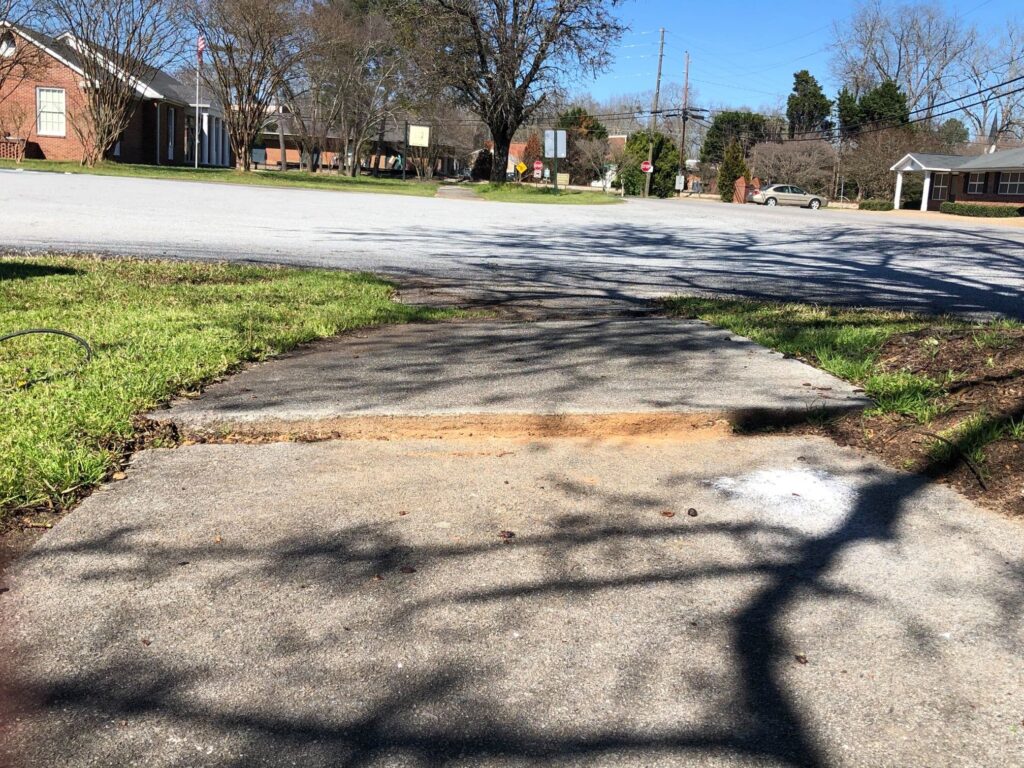
Sidewalk Safety: Why Concrete Lifting is the Best Fix for Trip Hazards

An uneven sidewalk is more than just an eyesore; it’s a significant safety concern. A raised or sunken concrete slab creates a trip hazard that can lead to falls, serious injuries, and potential legal liability for property owners. Ensuring your walkways are safe and level is a responsibility that shouldn’t be overlooked.

Uneven sidewalks are a common issue for homeowners and municipalities alike. From a small crack to a significantly raised edge, these hazards can make navigating the path difficult, especially for children, the elderly, or individuals using strollers and wheelchairs. Addressing these problems promptly and effectively is crucial for maintaining a safe environment for everyone.

This guide will explore the causes of sidewalk trip hazards, compare traditional repair methods with a modern solution, and explain why concrete lifting is often the best choice. We’ll provide the information you need to make an informed decision about repairing your concrete walkways, helping you restore safety and peace of mind.

Call 317-777-4973 for Professional Sidewalk Leveling in Indianapolis Indiana

Understanding Sidewalk Trip Hazards

Uneven sidewalks don’t just happen overnight. They are typically the result of underlying issues that cause the ground beneath the concrete to shift. Understanding these causes is the first step toward finding a lasting solution.

Common Causes of Uneven Sidewalks

  • Tree Roots: As trees grow, their roots can expand underneath a sidewalk, pushing the concrete slabs upward and creating dangerous, uneven joints.
  • Soil Erosion: Water runoff from rain or irrigation can wash away the soil supporting the concrete, causing slabs to sink and settle unevenly.
  • Freeze-Thaw Cycles: In colder climates, moisture in the ground freezes and expands, lifting the concrete. When it thaws, the soil contracts, and the slab can settle back down, but often not to its original position. This repeated cycle leads to progressively worse trip hazards.
  • Poor Compaction: If the soil beneath the sidewalk was not properly compacted during construction, it can settle over time, leading to sunken concrete slabs.

The dangers associated with these hazards are real. A simple trip can result in sprains, fractures, or more severe injuries. For property owners, this translates to a significant liability risk. Many municipalities have ordinances that hold property owners responsible for maintaining the sidewalks adjacent to their land. Failing to address a known trip hazard could lead to costly lawsuits if someone is injured.

Traditional Sidewalk Repair Methods and Their Flaws

For years, property owners have relied on a few common methods to deal with uneven sidewalks. While these approaches can offer a temporary fix, they often come with significant drawbacks.

Concrete Grinding

This method involves grinding down the higher side of a concrete joint to create a sloped transition. While it can eliminate the immediate trip hazard, grinding creates an unsightly, uneven appearance and weakens the concrete slab, making it more susceptible to future cracking and damage. It doesn’t address the root cause of the problem, which is the unstable soil beneath.

Patching

Applying a patch of new concrete or asphalt over the uneven joint is another temporary fix. These patches often crack, crumble, and separate from the original concrete over time, especially in areas with freeze-thaw cycles. The result is an ugly, short-lived repair that will need to be redone.

Complete Replacement

Tearing out the old concrete and pouring a new slab is the most drastic and expensive option. This process is highly disruptive, often taking days to complete and damaging surrounding landscaping. It also generates a significant amount of waste, making it the least environmentally friendly choice.

Sidewalk Raising: A Superior Solution

A modern, efficient, and long-lasting alternative to traditional methods is concrete lifting, also known as sidewalk raising or poly-leveling. This innovative technique addresses the root cause of the problem by stabilizing the soil beneath the concrete slab.

The process is straightforward and minimally invasive:

  1. Drilling: Small, dime-sized holes are strategically drilled through the sunken concrete slab.
  2. Injection: A high-density, structural polyurethane foam is injected through the holes. This expanding foam fills the voids in the soil underneath the slab.
  3. Lifting: As the foam expands, it gently and precisely lifts the concrete slab back to its original, level position.
  4. Finishing: Once the slab is level, the small holes are sealed with a cement grout, making them nearly invisible.

The entire process is typically completed in just a few hours, and the sidewalk is ready for foot traffic almost immediately.

Schedule a Sidewalk Leveling Inspection Today! ✅

Key Benefits of Concrete Lifting

Concrete lifting offers numerous advantages over traditional repair methods, making it the preferred choice for fixing sidewalk trip hazards.

  • Cost-Effective: Concrete lifting typically costs about half as much as a full concrete replacement, offering significant savings.
  • Minimal Disruption: The process is quick and clean. There’s no need for heavy machinery or extensive excavation, which means your lawn and landscaping remain intact.
  • Fast and Convenient: Most sidewalk leveling projects are completed in a few hours, not days. You can walk on the repaired sidewalk on the same day.
  • Long-Lasting Results: By filling voids and stabilizing the soil, concrete lifting provides a durable solution that prevents the problem from recurring. The polyurethane foam is waterproof, so it won’t wash away or break down over time.
  • Environmentally Friendly: This method uses less material and generates far less waste than concrete replacement. The polyurethane foam is inert and won’t leach chemicals into the soil.
  • Aesthetically Pleasing: Concrete lifting preserves the original appearance of your sidewalk, avoiding the mismatched colors and textures that come with patching or grinding.

Choosing the Right Concrete Lifting Provider

While concrete lifting is a superior method, the quality of the work depends on the skill of the provider. When selecting a contractor, consider the following:

  • Experience: Look for a company with a proven track record in concrete lifting services. Ask for references and look at before-and-after photos of their work.
  • Equipment and Materials: Ensure the provider uses high-quality, professional-grade equipment and structural polyurethane foam designed for lifting.
  • Training and Insurance: The technicians should be properly trained and certified. The company should also be fully insured to protect you from any liability.
  • Local Regulations: A reputable provider will be knowledgeable about local municipal codes and any permit requirements for sidewalk repairs in your area.

Restore Your Sidewalk’s Safety Today

An uneven sidewalk is a preventable hazard. Instead of opting for temporary, unsightly fixes, consider the lasting benefits of professional concrete lifting. This modern solution not only eliminates dangerous trip hazards but also restores the beauty and integrity of your property’s walkways in a cost-effective and non-disruptive way.

Don’t wait for an accident to happen. Take the first step toward a safer, more attractive property by addressing your sidewalk trip hazards now.

Ready to address your uneven sidewalk issues for good? Contact us today for a comprehensive, no-obligation consultation, where our experts can assess your specific situation and discuss the most effective solutions for restoring your walkways.

Get a Free Quote Today

Related Post: Concrete Leveling 101: How to Fix Uneven Surfaces Without Replacement