Concrete Lifting for Commercial Sidewalks: A Cost-Effective Solution for Businesses

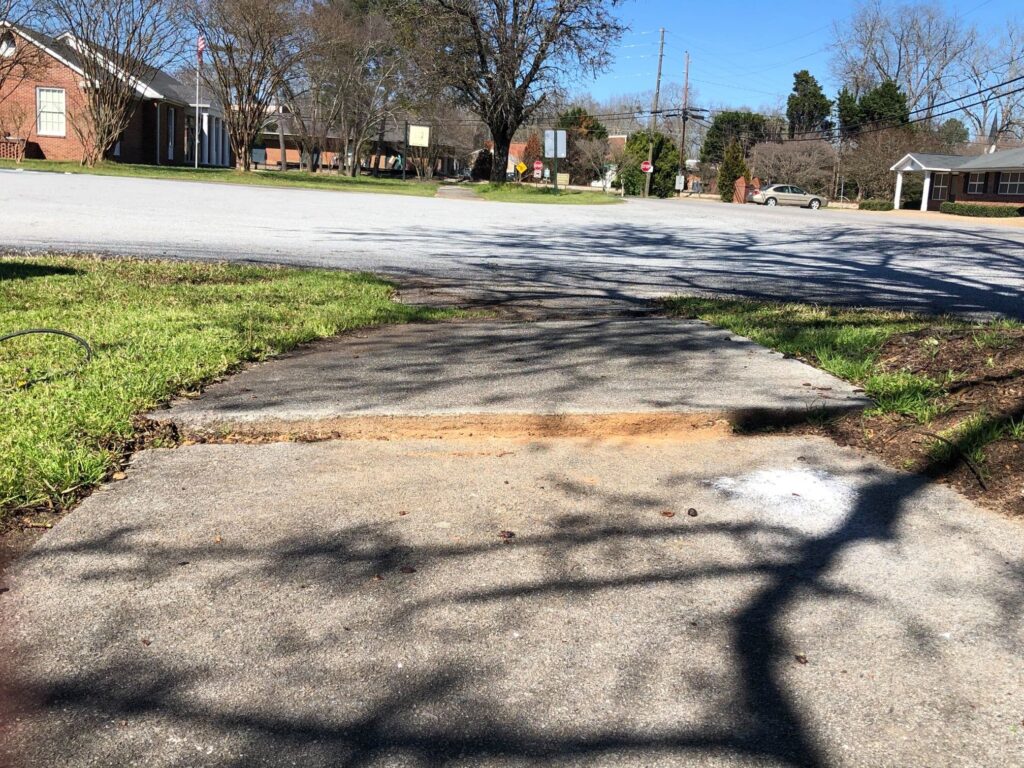
Cracked, uneven sidewalks do more than look bad—they put your customers at risk and your business on the hook for costly repairs. The good news? You don’t have to tear out and replace damaged concrete to fix the problem. Concrete lifting offers a faster, more affordable way to restore safe, level walkways.

In this guide, you’ll learn why commercial sidewalks fail, how modern lifting methods compare to traditional repairs, and what to expect from the process. Here’s a quick look at what’s ahead:
Why Commercial Sidewalks Matter

Your sidewalk is often the first thing customers touch before they walk through your door. A smooth, well-kept walkway signals that you care about details—and about the people who visit your business.

Beyond appearances, sidewalks carry real responsibility. Property owners can be held liable for slip-and-fall accidents on uneven surfaces. A single claim can cost far more than the repair itself.

The Problem: Sinking Sidewalks

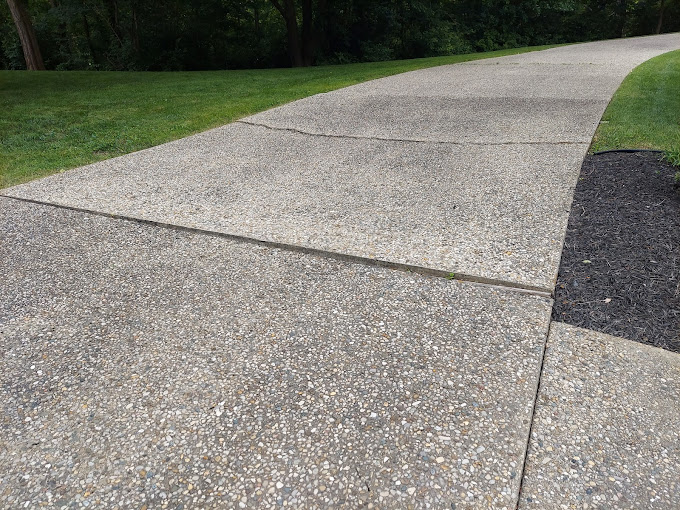
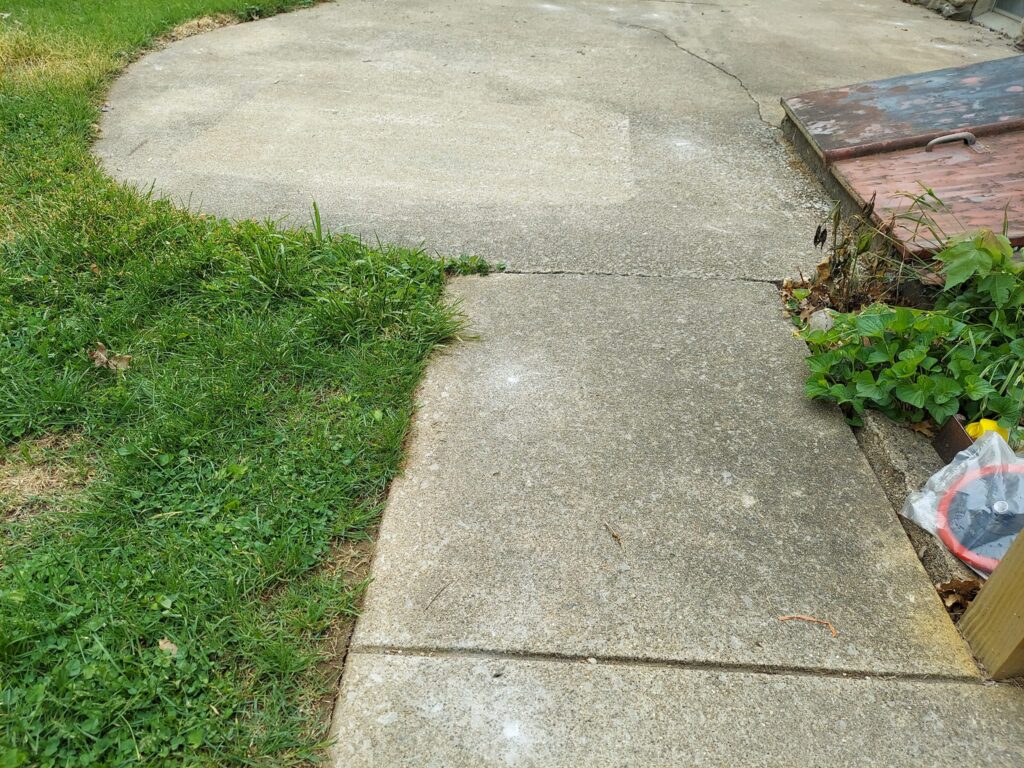
Concrete sinks when the soil beneath it shifts, erodes, or compacts. Water washes away the supporting base, leaving empty pockets that cause slabs to settle and tilt. The result is a patchwork of trip hazards, pooling water, and cracked panels. Left alone, these problems only get worse—and more expensive to fix.

Traditional vs. Modern Repair Methods

Not all sidewalk repairs are created equal. The method you choose affects your budget, your timeline, and how long the fix actually lasts.

Outdated Approaches and Their Downsides

For years, the standard answer was full slab replacement. That means breaking up the old concrete, hauling it away, pouring new slabs, and waiting days for everything to cure.

This approach comes with real drawbacks:

  • High cost: Demolition, materials, and labor add up fast.
  • Long downtime: Curing concrete can keep walkways closed for several days.
  • Waste: Perfectly usable concrete ends up in a landfill.
  • Color mismatch: New slabs rarely match the surrounding surface.

Mudjacking—an older lifting technique that pumps a thick slurry under the slab—was an improvement. But the heavy material can add stress to the soil and break down over time.

Introducing Concrete Lifting: A Better Way

Modern concrete lifting, often called polyurethane foam lifting, takes a smarter approach. Technicians inject a lightweight foam beneath the sunken slab through small ports. The foam expands, fills the voids, and raises the concrete back to its proper level.

The process is precise, clean, and remarkably quick. Most repairs are finished in hours, not days—and the foam resists water and won’t wash away like soil or slurry.

Next, let’s look at why so many business owners are making the switch.

Benefits of Concrete Lifting for Businesses

Concrete lifting solves the problem without the headaches of full replacement. Here’s what that means for your bottom line and your customers.

Cost-Effectiveness Explained

Lifting typically costs a fraction of what replacement does. You skip the demolition, the hauling, and the price of new materials. You’re also paying to restore what you already have. Since the foam strengthens the soil base, you reduce the chance of repeat repairs—saving money for years to come.

Minimizing Business Disruption

Time is money, and closed walkways cost you customers. Replacement projects can block access to your entrance for days. With concrete lifting, the foam cures within minutes. In most cases, your sidewalk is ready for foot traffic the same day, so business continues as usual.

Enhancing Safety and Curb Appeal

A level sidewalk removes trip hazards and helps you stay compliant with accessibility standards. That protects your customers and lowers your liability risk. It also keeps your property looking polished. There’s no patchwork of mismatched slabs—just a smooth, even surface that reflects well on your brand.

The Concrete Lifting Process

Knowing what to expect makes the decision easier. Here’s how a typical commercial lifting project unfolds.

Assessment and Planning

Every project starts with an inspection. A sidewalk leveling contractor examines the sunken slabs, measures the settlement, and identifies the cause—whether it’s erosion, poor compaction, or drainage issues.

From there, they map out a plan, marking where the injection ports will go and how much lift each area needs. Good planning ensures even, predictable results.

Injection and Lifting

Technicians drill small holes, about the size of a coin, into the affected slabs. They inject expanding polyurethane foam through these ports.

As the foam spreads, it fills the empty voids and gently raises the concrete to the correct height. The crew monitors the process closely, making small adjustments to keep everything level.

Finishing Touches

Once the slab sits at the right height, the team patches the injection holes to blend with the surface. The foam cures quickly, often within 15 to 30 minutes.

After a final check, the walkway is cleaned up and ready for use. There’s no debris to remove and no extended closure to plan around.

Choosing the Right Contractor

The quality of your repair depends heavily on who performs it. A skilled contractor delivers lasting results; the wrong one can leave you with the same problem in a year.

Key Questions to Ask

Before you hire, get clear answers to these questions:

  • How long have you worked on commercial properties?
  • What type of material do you use, and why?
  • Do you offer a warranty on the work?
  • Can you share references or examples of similar projects?
  • Is the quote free, and what does it include?

What to Look For in a Service Provider

Beyond the answers, watch for signs of a trustworthy partner:

  • Proper licensing and insurance to protect you during the job
  • Transparent pricing with no surprise fees
  • Strong local reviews from other business owners
  • Clear communication from the first call to project completion

A contractor who checks these boxes will treat your property with the care it deserves.

FAQ: Commercial Concrete Lifting

How long does concrete lifting last?

With quality polyurethane foam, the repair can last decades. The foam doesn’t break down with moisture, and it stabilizes the soil to prevent future settling.

Is concrete lifting safe for high-traffic areas?

Yes. Once cured, the foam is strong enough to support heavy foot traffic and even vehicle loads, making it ideal for busy commercial properties.

How quickly can my business use the sidewalk again?

In most cases, the same day. The foam cures within minutes, so there’s no long wait before reopening the walkway.

Will the repaired area match my existing concrete?

Lifting restores your original slabs, so there’s no color mismatch. Only the small injection holes are patched, and they blend in well.

Is lifting cheaper than replacement?

Almost always. You avoid the cost of demolition, removal, and new materials, often saving 50% or more compared to full replacement.

Conclusion

Sunken commercial sidewalks are more than an eyesore—they’re a safety risk and a liability waiting to happen. Concrete lifting fixes the problem at a lower cost, with far less downtime than full replacement. By restoring your existing slabs and stabilizing the soil beneath them, you get a safer, smoother surface that lasts for years.

The smartest next step is to have your sidewalks inspected by an experienced professional who can recommend the right solution for your property.

Ready to restore safe, level sidewalks for your business? Our commercial concrete leveling team in Indianapolis is here to help. Request a free quote anytime—there’s no obligation, just expert advice and a clear path to a lasting fix.

Call Now

Related Post: Sidewalk Lifting: An Eco-Friendly Solution to Repairing Sunken Walkways
Sidewalk Lifting: An Eco-Friendly Solution to Repairing Sunken Walkways
TL;DR: Concrete leveling using hydrophobic foam is a fast, affordable, and durable solution. It eliminates the need for costly concrete replacement by filling dime-sized holes that blend seamlessly with your existing sidewalk. This clean and eco-friendly method resists water, avoids heavy machinery, and keeps your concrete out of the landfill.

Key Takeaways:

  • Polyurethane foam injection is a cost-effective solution for lifting and leveling concrete sidewalks.
  • The process is quick, minimally invasive, and environmentally friendly.
  • It can prevent further damage, improve safety, and enhance property value.

Table of Contents:

  1. What is Polyurethane Foam Injection?
  2. Why Choose Polyurethane for Sidewalk Lifting?
  3. The Benefits of Polyurethane Foam Injection
  4. Is Polyurethane Foam Injection Right for You?
  5. The Polyurethane Foam Injection Process
  6. Sidewalk Lifting Cost Guide
  7. DIY vs. Professional Sidewalk Leveling
  8. Frequently Asked Questions
  9. Quick Recap
  10. Conclusion

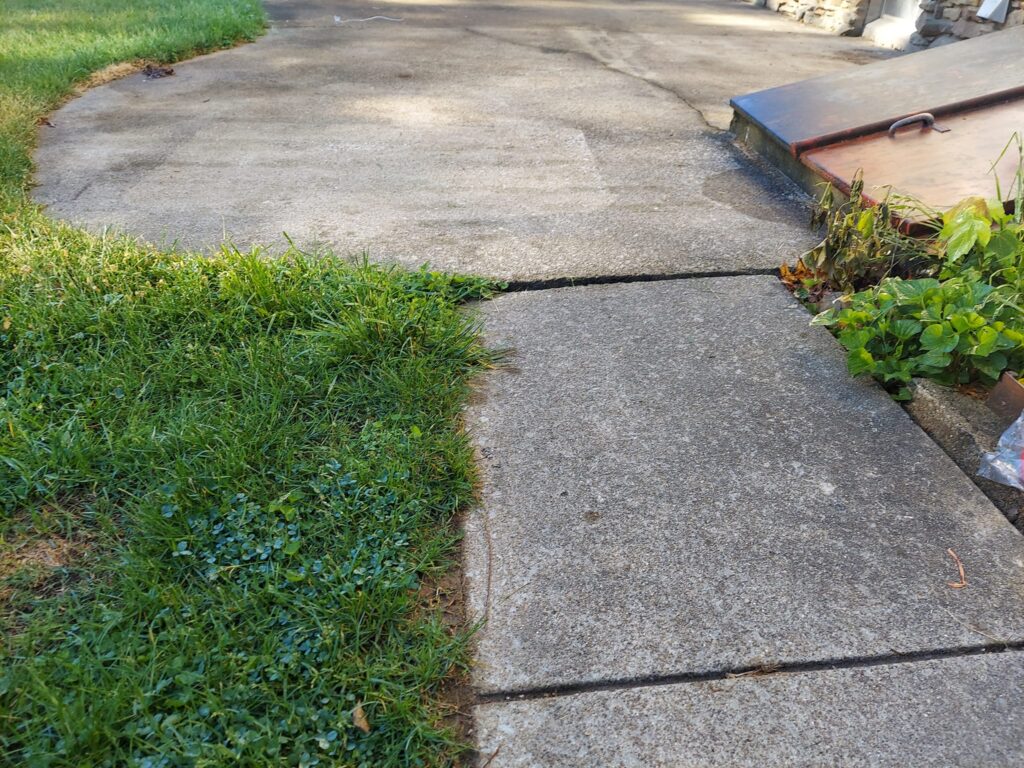
Walking down your own driveway or sidewalk shouldn’t feel like an obstacle course. Yet, for many homeowners in Indianapolis and beyond, uneven concrete slabs turn a simple stroll into a tripping hazard. Whether it’s caused by soil erosion, tree roots, or just the natural settling of the earth, sunken concrete is an eyesore that can lower property value and create safety liabilities.

If you’re staring at a jagged crack in your walkway, you might be dreading the cost and chaos of tearing it all out to pour new cement. But there is a smarter, faster, and cleaner alternative.

Polyurethane foam injection—often called “polyjacking”—is transforming how we repair residential concrete. It’s a modern solution that fixes the problem at its source without the heavy machinery or week-long cure times of traditional replacement. This guide explores everything you need to know about lifting your sunken sidewalk, from how the technology works to why it’s often the smartest investment for your home.

What is Polyurethane Foam Injection?

Polyurethane foam injection is a concrete lifting method that raises sunken slabs back to their original position using a high-density, expanding polymer.

The concept is surprisingly simple but highly effective. It involves drilling tiny holes (about the size of a dime) into the sunken concrete. Through these ports, a two-part polymer liquid is injected into the soil beneath. Once the liquid combines, a chemical reaction occurs almost instantly. The material expands into a rigid foam, filling the voids caused by soil erosion or settling.

As the foam expands, it exerts upward pressure, gently lifting the heavy concrete slab back to a level position. Once the lift is complete, the foam cures within minutes, creating a permanent, water-resistant base that supports the walkway.

Why Choose Polyurethane for Sidewalk Lifting?

For decades, the standard method for lifting concrete was “mudjacking”—a process that pumps a slurry of cement, sand, and water under the slab. While mudjacking can work, polyurethane foam offers distinct advantages that make it the superior choice for modern homes.

Lightweight Stability

Mudjacking adds significant weight to the soil beneath your concrete—often 100 pounds per cubic foot. If your soil settled because it couldn’t support the weight of the original concrete, adding more heavy material often leads to the same problem recurring later.

Polyurethane foam is incredibly lightweight, weighing only about 2 to 4 pounds per cubic foot. It provides the necessary support without burdening the already compromised soil.

Water Resistance

One of the main enemies of concrete stability is water. Rain and drainage issues wash away soil, creating the voids that cause sinking. Unlike the cement slurry used in mudjacking, polyurethane foam is hydrophobic. It does not wash away, shrink, or degrade when exposed to moisture. In fact, it acts as a barrier, preventing water from eroding the soil beneath your sidewalk in the future.

The Benefits of Polyurethane Foam Injection

Choosing foam injection isn’t just about fixing a crack; it’s about choosing a solution that respects your time, property, and the environment.

Cost-Effectiveness

Tearing out and replacing concrete is expensive and labor-intensive. Polyurethane lifting typically costs 50% to 70% less than the price of a full replacement. You get the same level surface without the heavy price tag.

Speed and Convenience

Concrete replacement requires days of curing time where you can’t use your walkway. In contrast, polyurethane foam cures in about 15 minutes. You can walk on your sidewalk immediately after the crew leaves.

Minimal Disruption

Because the injection holes are so small (roughly 5/8 of an inch), they are barely noticeable once patched. There is no heavy equipment driving over your lawn and no loud jackhammers disturbing the neighborhood.

Environmentally Friendly

The material used is chemically inert once cured, meaning it won’t leach harmful chemicals into the soil or groundwater. Additionally, by saving your existing concrete, you are keeping perfectly good slabs out of landfills.

Is Polyurethane Foam Injection Right for You?

While foam injection is a versatile solution, it is important to know if it applies to your specific situation. This method is ideal for:

  • Uneven Joints: If one slab has sunk lower than the adjacent one, creating a “toe-stubber.”
  • Hollow Sounds: If your concrete sounds hollow when tapped, it indicates voids underneath that need filling before the slab cracks.
  • Drainage Issues: If water pools on your walkway because the slope has shifted toward your foundation.
  • Stabilization: If slabs rock or move when you walk on them.

When is it NOT the right fit?

If the concrete is pulverized, crumbling into gravel, or has extensive spiderweb cracking, lifting it won’t solve the structural failure. In these cases, replacement is usually the only option.

The Polyurethane Foam Injection Process

Understanding the process can alleviate any anxiety about the repair. Here is what you can expect when professionals arrive at your home:

  1. Assessment: The technicians evaluate the drainage, the condition of the concrete, and the cause of the settling. Get a free estimate in Indianapolis with EcoLift LLC.
  2. Drilling: Small, unobtrusive holes are drilled strategically through the concrete slab.
  3. Injection: A specialized gun injects the two-part polymer into the holes. The technicians monitor the lift in real-time to ensuring the slab rises evenly.
  4. Leveling: The injection continues until the slab aligns perfectly with the surrounding concrete.
  5. Cleanup: The holes are patched with a cement mixture that matches your existing concrete as closely as possible, and the site is swept clean.

Sidewalk Lifting Cost Guide

Every project is unique, but understanding the pricing model helps you budget accordingly. Most professional companies price polyurethane lifting based on the amount of foam material required to fill the voids and lift the slab, rather than just the square footage of the concrete.

Generally, you can expect costs to range between $5.00 and $25.00 per square foot of lifted area, depending on the depth of the void. While this is an estimate, it remains significantly cheaper than the $15 to $30+ per square foot often charged for removing and pouring new concrete.

Note: Always ask for a free, detailed quote. Reputable sidewalk lifting contractors will be transparent about how they calculate their fees.

DIY vs. Professional Sidewalk Leveling

In the age of internet tutorials, it is tempting to look for a DIY fix. You might see “canned foam” solutions at the hardware store, but proceeding with caution is advised.

The Risks of DIY

Consumer-grade foam lacks the density and compressive strength needed to support heavy concrete slabs. Furthermore, without hydraulic equipment and professional training, it is easy to “over-lift” a slab, causing it to crack or create a new high spot that is impossible to lower.

The Professional Advantage

Professionals use industrial-grade polymers designed specifically for load-bearing applications. They have the experience to control the expansion rate of the foam and ensure the slab is leveled within a fraction of an inch. Hiring a pro ensures the repair is done safely and correctly, often backed by a warranty that DIY methods cannot offer.

Frequently Asked Questions

How long does the repair last?

Polyurethane foam is built to last indefinitely. It does not decompose or break down in the soil. Barring significant new soil erosion issues (like a burst pipe washing away the earth deep below the foam), the repair often lasts for the lifespan of the concrete itself—potentially 20 years or more.

Is the material toxic?

No. While the liquid components are chemicals, once they react and cure (which happens in seconds), the resulting foam is chemically inert, non-toxic, and safe for the environment.

Will the injection holes be visible?

The holes are roughly the size of a dime. Once patched with cement, they blend in well with the existing concrete. Over time, as the patch weathers, they become even less noticeable.

Quick Recap:

  • Fast: Walk on your sidewalk in minutes, not days.
  • Affordable: Costs roughly half of concrete replacement.
  • Durable: Hydrophobic foam resists water and won’t wash away.
  • Clean: No heavy machinery or mess on your lawn.
  • Smart: Saves your existing concrete from the landfill.

Restore Your Curb Appeal Today

Your home is likely your biggest investment, and maintaining its safety and appearance is crucial. Sunken sidewalks are more than just a cosmetic annoyance; they are a safety hazard waiting to happen.

Polyurethane foam injection offers a solution that makes sense for the modern homeowner. It is efficient, cost-effective, and provides a permanent fix to a shifting problem. Don’t let uneven concrete detract from your home’s beauty or safety any longer.

Contact us today for professional sidewalk leveling and lifting in Indianapolis, Indiana! Let’s get your walkways back on solid ground.

Call Now for a Free Estimate

Related Post: Sidewalk Safety: Why Concrete Lifting is the Best Fix for Trip Hazards

Sidewalk Safety: Why Concrete Lifting is the Best Fix for Trip Hazards

An uneven sidewalk is more than just an eyesore; it’s a significant safety concern. A raised or sunken concrete slab creates a trip hazard that can lead to falls, serious injuries, and potential legal liability for property owners. Ensuring your walkways are safe and level is a responsibility that shouldn’t be overlooked.

Uneven sidewalks are a common issue for homeowners and municipalities alike. From a small crack to a significantly raised edge, these hazards can make navigating the path difficult, especially for children, the elderly, or individuals using strollers and wheelchairs. Addressing these problems promptly and effectively is crucial for maintaining a safe environment for everyone.

This guide will explore the causes of sidewalk trip hazards, compare traditional repair methods with a modern solution, and explain why concrete lifting is often the best choice. We’ll provide the information you need to make an informed decision about repairing your concrete walkways, helping you restore safety and peace of mind.

Call 317-777-4973 for Professional Sidewalk Leveling in Indianapolis Indiana

Understanding Sidewalk Trip Hazards

Uneven sidewalks don’t just happen overnight. They are typically the result of underlying issues that cause the ground beneath the concrete to shift. Understanding these causes is the first step toward finding a lasting solution.

Common Causes of Uneven Sidewalks

  • Tree Roots: As trees grow, their roots can expand underneath a sidewalk, pushing the concrete slabs upward and creating dangerous, uneven joints.
  • Soil Erosion: Water runoff from rain or irrigation can wash away the soil supporting the concrete, causing slabs to sink and settle unevenly.
  • Freeze-Thaw Cycles: In colder climates, moisture in the ground freezes and expands, lifting the concrete. When it thaws, the soil contracts, and the slab can settle back down, but often not to its original position. This repeated cycle leads to progressively worse trip hazards.
  • Poor Compaction: If the soil beneath the sidewalk was not properly compacted during construction, it can settle over time, leading to sunken concrete slabs.

The dangers associated with these hazards are real. A simple trip can result in sprains, fractures, or more severe injuries. For property owners, this translates to a significant liability risk. Many municipalities have ordinances that hold property owners responsible for maintaining the sidewalks adjacent to their land. Failing to address a known trip hazard could lead to costly lawsuits if someone is injured.

Traditional Sidewalk Repair Methods and Their Flaws

For years, property owners have relied on a few common methods to deal with uneven sidewalks. While these approaches can offer a temporary fix, they often come with significant drawbacks.

Concrete Grinding

This method involves grinding down the higher side of a concrete joint to create a sloped transition. While it can eliminate the immediate trip hazard, grinding creates an unsightly, uneven appearance and weakens the concrete slab, making it more susceptible to future cracking and damage. It doesn’t address the root cause of the problem, which is the unstable soil beneath.

Patching

Applying a patch of new concrete or asphalt over the uneven joint is another temporary fix. These patches often crack, crumble, and separate from the original concrete over time, especially in areas with freeze-thaw cycles. The result is an ugly, short-lived repair that will need to be redone.

Complete Replacement

Tearing out the old concrete and pouring a new slab is the most drastic and expensive option. This process is highly disruptive, often taking days to complete and damaging surrounding landscaping. It also generates a significant amount of waste, making it the least environmentally friendly choice.

Sidewalk Raising: A Superior Solution

A modern, efficient, and long-lasting alternative to traditional methods is concrete lifting, also known as sidewalk raising or poly-leveling. This innovative technique addresses the root cause of the problem by stabilizing the soil beneath the concrete slab.

The process is straightforward and minimally invasive:

  1. Drilling: Small, dime-sized holes are strategically drilled through the sunken concrete slab.
  2. Injection: A high-density, structural polyurethane foam is injected through the holes. This expanding foam fills the voids in the soil underneath the slab.
  3. Lifting: As the foam expands, it gently and precisely lifts the concrete slab back to its original, level position.
  4. Finishing: Once the slab is level, the small holes are sealed with a cement grout, making them nearly invisible.

The entire process is typically completed in just a few hours, and the sidewalk is ready for foot traffic almost immediately.

Schedule a Sidewalk Leveling Inspection Today!

Key Benefits of Concrete Lifting

Concrete lifting offers numerous advantages over traditional repair methods, making it the preferred choice for fixing sidewalk trip hazards.

  • Cost-Effective: Concrete lifting typically costs about half as much as a full concrete replacement, offering significant savings.
  • Minimal Disruption: The process is quick and clean. There’s no need for heavy machinery or extensive excavation, which means your lawn and landscaping remain intact.
  • Fast and Convenient: Most sidewalk leveling projects are completed in a few hours, not days. You can walk on the repaired sidewalk on the same day.
  • Long-Lasting Results: By filling voids and stabilizing the soil, concrete lifting provides a durable solution that prevents the problem from recurring. The polyurethane foam is waterproof, so it won’t wash away or break down over time.
  • Environmentally Friendly: This method uses less material and generates far less waste than concrete replacement. The polyurethane foam is inert and won’t leach chemicals into the soil.
  • Aesthetically Pleasing: Concrete lifting preserves the original appearance of your sidewalk, avoiding the mismatched colors and textures that come with patching or grinding.

Choosing the Right Concrete Lifting Provider

While concrete lifting is a superior method, the quality of the work depends on the skill of the provider. When selecting a contractor, consider the following:

  • Experience: Look for a company with a proven track record in concrete lifting services. Ask for references and look at before-and-after photos of their work.
  • Equipment and Materials: Ensure the provider uses high-quality, professional-grade equipment and structural polyurethane foam designed for lifting.
  • Training and Insurance: The technicians should be properly trained and certified. The company should also be fully insured to protect you from any liability.
  • Local Regulations: A reputable provider will be knowledgeable about local municipal codes and any permit requirements for sidewalk repairs in your area.

Restore Your Sidewalk’s Safety Today

An uneven sidewalk is a preventable hazard. Instead of opting for temporary, unsightly fixes, consider the lasting benefits of professional concrete lifting. This modern solution not only eliminates dangerous trip hazards but also restores the beauty and integrity of your property’s walkways in a cost-effective and non-disruptive way.

Don’t wait for an accident to happen. Take the first step toward a safer, more attractive property by addressing your sidewalk trip hazards now.

Ready to address your uneven sidewalk issues for good? Contact us today for a comprehensive, no-obligation consultation, where our experts can assess your specific situation and discuss the most effective solutions for restoring your walkways.

Get a Free Quote Today

Related Post: Concrete Leveling 101: How to Fix Uneven Surfaces Without Replacement