When to Consider Concrete Crack Filling and Joint Control

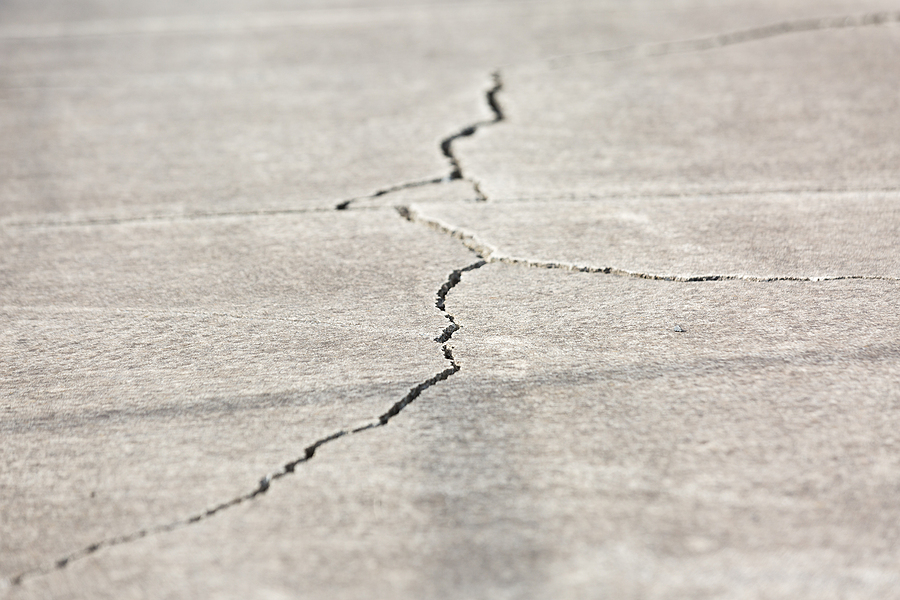
Pouring a new concrete driveway, patio, or warehouse floor is a significant investment in your property. Seeing that smooth, pristine surface eventually develop unsightly fractures can be highly frustrating. A crack in your concrete is not merely a cosmetic flaw; it is a vulnerability that can lead to severe structural degradation over time.

Understanding how concrete behaves is the first step toward maintaining its longevity. Concrete is strong and durable, but it lacks flexibility. When stress builds up, the material relieves that pressure by breaking. Fortunately, proactive maintenance can stop these minor imperfections from turning into massive repair bills.

This guide explains the science behind concrete fractures, the importance of planned control joints, and the professional methods used to restore your surfaces. By the end of this post, you will know exactly how to protect your property and extend the lifespan of your concrete flatwork.
Call 317-777-4973 for Professional Concrete Crack Filling & Joint Control Service in Indianapolis

Understanding Why Concrete Cracks: Common Causes

Concrete is built to last, but several environmental and physical factors constantly test its limits. Recognizing these triggers helps you understand why maintenance is an ongoing necessity rather than a one-time fix.

Moisture and Shrinkage

As newly poured concrete cures, the water inside the mixture slowly evaporates. This drying process causes the concrete slab to shrink slightly. Because the slab is rigid, this shrinkage builds internal stress, eventually causing the concrete to pull apart.

Temperature Fluctuations

Concrete expands when it gets hot and contracts when it cools down. If the slab does not have room to accommodate this thermal movement, the resulting tension will force the material to split. Furthermore, water that seeps into existing pores can freeze during the winter. As water turns to ice, it expands by about nine percent, acting like a wedge that forces the concrete apart from the inside.

Soil Movement and Settling

The ground beneath your concrete is rarely static. Soil can wash away during heavy rains, or compress under extreme weight. When the subgrade loses its stability, the heavy concrete above it loses support. The slab will eventually bend and crack under its own weight.

What is Joint Control and Why is it Necessary?

Since concrete will inevitably experience stress, contractors use a technique known as joint control to manage where the breaks occur. A control joint is essentially a planned, straight crack. During the expansion joint control installation process, professionals cut lines into the slab at specific intervals. These cuts create weakened lines across the surface. When the concrete inevitably shrinks or experiences thermal stress, it cracks down inside these pre-cut lines rather than forming random, jagged webs across the face of your driveway or floor.

Proper joint control keeps your concrete looking neat and structurally sound. However, these joints still need to be sealed. Leaving control joints open allows water, dirt, and chemicals to penetrate the slab and damage the subgrade beneath it.

The Process: How Professional Crack Filling Works

Repairing concrete requires more than simply pouring a liquid sealer over the damaged area. Professional contractors follow a precise methodology to ensure the repair is watertight, flexible, and permanent.

Step 1: Surface Preparation and Cleaning

A successful repair depends entirely on the preparation. Professionals start by routing out the crack using a diamond-blade grinder. This opens up the fracture, creates smooth edges, and provides a wider surface area for the new filler to grip. After routing, the technicians use high-pressure air and wire brushes to remove all dust, loose gravel, and debris. The cavity must be completely clean and dry before any material is applied.

Step 2: Choosing the Right Filler Material

Not all concrete fillers are created equal. Rigid patching compounds might look fine initially, but they will quickly fail when the concrete shifts again. Professionals typically use high-grade polyurethane or polyurea sealants. These advanced elastomers remain flexible after they cure. This flexibility allows the filler to stretch and compress right alongside the concrete during extreme temperature changes, keeping the seal completely watertight.

Step 3: Application and Finishing Touches

Once the surface is ready, the technician injects the flexible sealant deep into the cavity, filling it from the bottom up to prevent trapped air pockets. For deeper control joints, a foam backer rod is often inserted first to support the sealant and control the depth. After the material is applied, it is carefully scraped and leveled flush with the surrounding concrete. This creates a smooth, safe, and visually appealing finish.
Benefits of Timely Concrete Repair

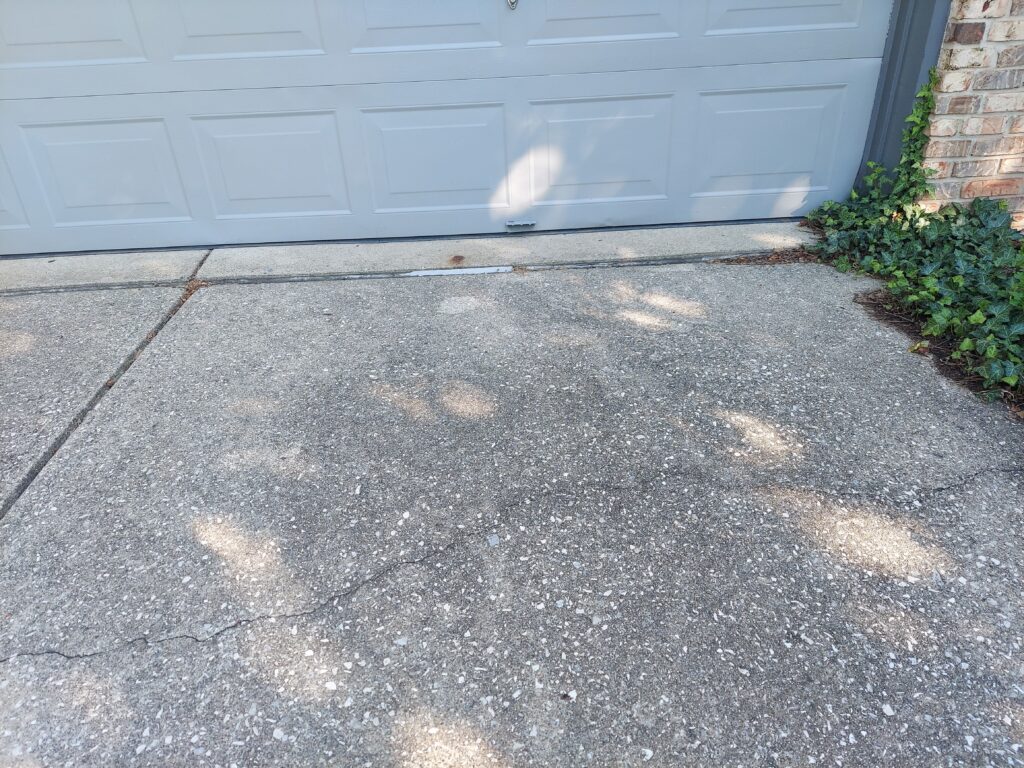
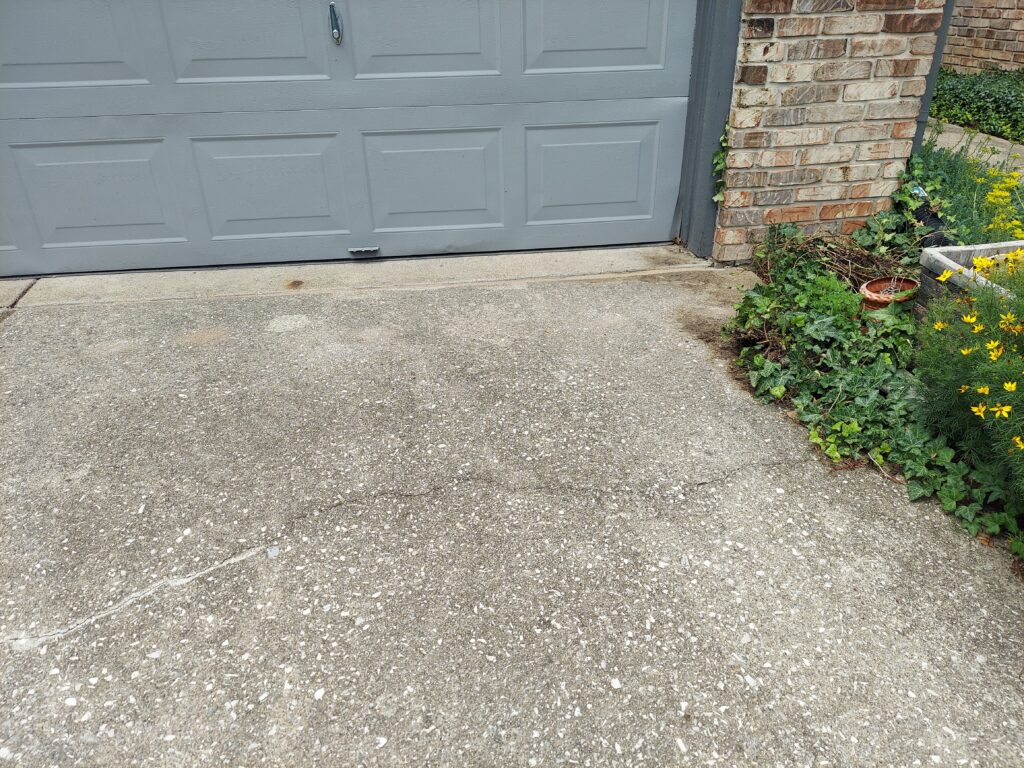
Addressing concrete damage as soon as it appears is a wise financial decision. Small fissures only grow wider, deeper, and more expensive to fix over time. Sealing these vulnerabilities immediately stops water infiltration, which is the leading cause of subgrade erosion and freeze-thaw damage. It also prevents weeds from taking root in the crevices, as plant roots can physically push concrete apart. Furthermore, a smooth, well-maintained surface eliminates trip hazards, protecting you from potential liability issues on your property.

Frequently Asked Questions (FAQ)

Can I fill concrete cracks myself with products from the hardware store?

While DIY products are widely available, they are usually temporary fixes. Store-bought caulk often lacks the industrial-grade flexibility needed to survive harsh weather, and homeowners rarely have the proper routing equipment to prepare the crack adequately. Professional applications last much longer.

How long does professional concrete filler last?

When applied correctly using high-quality polyurethane or polyurea, professional crack and joint fillers can last anywhere from five to ten years, depending on traffic levels and weather conditions.

What is the difference between a random crack and a control joint?

A random crack is an uncontrolled break caused by stress, settling, or freezing. A control joint is a straight, intentional cut made by contractors to force the concrete to crack in a neat, manageable line.

Preserving Your Concrete Investment

Your concrete surfaces carry a heavy load, literally and figuratively. By understanding the causes of structural stress and implementing proactive joint control and crack filling, you can save yourself from the massive expense of a complete concrete replacement. Do not let minor fractures compromise the safety and beauty of your property. Take action to seal and protect your flatwork today.

If you want your driveway, patio, or commercial floor to survive the local climate, expert maintenance is essential. Our experienced technicians can evaluate your property, clean out failing joints, and apply flexible, long-lasting sealants that protect your investment. Contact us today to schedule your professional concrete crack filling and joint control service in Indianapolis.

Call Now for Inquiries

Related Post: Stop the Spread: A Guide to Concrete Crack Filling and Joint Control

Reduce Waste with Concrete Lifting: The Green Alternative to Replacement

Cracked, sunken concrete is more than an eyesore—it’s a decision point. You can tear it out and replace it, or you can lift and level it. Most people default to replacement without realizing how much environmental damage that choice carries. Demolishing and replacing a concrete slab generates construction debris, demands new raw materials, and releases carbon emissions at every stage of the process. Concrete lifting takes a different path.

By preserving the slab that’s already in place, concrete lifting sidesteps the waste, energy, and emissions tied to full replacement. It’s a smarter fix for the environment and for your property. This post breaks down exactly why—covering everything from landfill waste and carbon savings to the safety of modern lifting materials.

Call 317-777-4973 for Professional Concrete Leveling in Indianapolis

How Does Concrete Lifting Reduce Environmental Waste?

Concrete lifting keeps existing slabs out of landfills by preserving them rather than demolishing them. Construction and demolition (C&D) debris is a massive waste problem in the United States. According to the U.S. Environmental Protection Agency, 600 million tons of C&D debris were generated in 2018 alone—more than twice the amount of municipal solid waste produced that year. Of that total, approximately 144 million tons ended up in landfills.

Concrete is one of the heaviest contributors to that waste stream. When a slab is demolished, those broken chunks become C&D debris that either gets hauled to a landfill or requires energy-intensive processing before it can be reused as aggregate. Either way, the environmental cost is real.

Concrete lifting eliminates that waste stream entirely. The existing slab stays in place. No rubble gets hauled away. No landfill space gets consumed. The process requires small injection holes—typically around 5/8 inch in diameter—and leaves the surrounding landscaping, soil, and structures undisturbed. When the job is done, those holes are patched and the area is tidy.

Preserving a concrete slab that’s structurally sound but has settled is one of the most direct forms of construction waste reduction available. No demolition, no debris, no disposal costs.

What are the Energy Savings of Leveling vs. Replacement?

Concrete lifting significantly reduces carbon emissions by eliminating the need to manufacture, transport, and pour new concrete. Cement production—the key ingredient in new concrete—accounts for approximately 7–8% of global CO2 emissions, according to the Global Cement and Concrete Association (GCCA). That figure makes the cement industry one of the largest industrial sources of carbon dioxide on the planet, surpassing emissions from the entire aviation sector.

Every time a concrete slab is replaced, that emissions cycle repeats. New cement must be manufactured, mixed into concrete, loaded onto trucks, and delivered to the job site. Heavy equipment then removes the old slab, pours the new one, and hauls the broken debris away. Each of those steps burns fossil fuels and generates emissions.

Concrete lifting requires far less. According to Groundworks, polyurethane injection is less labor and equipment intensive than replacement, which directly reduces fossil fuel consumption on-site. There are no concrete trucks, no excavation equipment, and no demolition crews. A small team with specialized equipment can level most residential slabs in a matter of hours.

The upstream impact matters too. When you lift and level a slab instead of replacing it, you avoid the carbon cost of producing new concrete entirely. No raw material extraction, no kiln firing, no long-haul delivery. The environmental savings compound from the start.

Is the Material Used in Concrete Lifting Eco-Friendly?

Modern expanding polyurethane foam—the material used in concrete lifting—is chemically inert, non-toxic, and does not leach into soil or groundwater. One of the most common concerns about polymer-based concrete lifting is whether the injected material poses any risk to the surrounding environment. The evidence is reassuring.

Once cured, polyurethane foam is chemically inert, meaning it does not react with surrounding soil, moisture, or organic matter. According to Groundworks, cured polyurethane does not leach chemicals into the surrounding environment or groundwater. It is also resistant to erosion and holds no nutritional value, so wildlife and insects are unlikely to disturb or redistribute it. Groundworks further notes that certain formulations can be certified to NSF/ANSI 61 safe drinking water standards.

The foam’s closed-cell structure makes it highly resistant to water infiltration, which actually helps prevent further soil erosion and slab movement after the repair. It cures fully within 15 to 30 minutes and achieves compressive strength levels capable of supporting residential, commercial, and even highway-grade loads.

Cured polyurethane foam is classified as non-hazardous waste and can be disposed of in standard municipal landfills that accept general construction materials. The only significant degradation factor is UV exposure—which is a non-issue since the foam is injected beneath concrete slabs and into soil, shielded from sunlight entirely.

The result is a repair material that’s built to last, safe for the environment, and far less disruptive than anything involved in full slab replacement. Contact our Indianapolis concrete leveling service today to schedule a free, on-site assessment for your porch, patio, sidewalks, or driveway.

Frequently Asked Questions

How long does lifted concrete last?

Properly lifted concrete can last for many years. The polyurethane foam used in the process is designed for durability—it resists water, soil chemicals, and erosion once cured underground. Unlike traditional mudjacking materials, which can wash out or settle again over time, high-density expanding foam maintains its position and structural integrity for the long term.

Is concrete lifting cheaper than replacement?

In most cases, yes. Concrete lifting typically costs significantly less than full replacement because it eliminates demolition, hauling, new material costs, and extended labor time. Most residential lifting jobs are completed within a few hours, compared to days of work for a full replacement project.

What types of concrete can be lifted?

Polyurethane foam lifting can be applied to a wide range of surfaces, including driveways, sidewalks, garage floors, pool decks, patios, and even roadways. As long as the existing slab is structurally sound and not severely damaged, lifting is generally a viable option.

How invasive is the concrete lifting process?

The process is minimally invasive. Small holes—around 5/8 inch in diameter—are drilled through the slab, the foam is injected, and the holes are patched after the lift is complete. Surrounding landscaping, soil, and nearby structures are not disturbed. Most property owners can use the repaired surface within hours of the job being completed.

Can concrete lifting be done on surfaces with cracks?

Minor cracks do not necessarily disqualify a slab from being lifted. However, severely damaged or structurally compromised concrete may require replacement rather than leveling. A professional assessment will determine whether lifting is appropriate for your specific situation.

What causes concrete slabs to sink in the first place?

Concrete sinks when the soil beneath it shifts, erodes, or compacts unevenly. Common causes include poor compaction during original installation, soil erosion from water drainage, tree root activity, and seasonal freeze-thaw cycles. Polyurethane injection not only lifts the slab but also fills the voids that caused the settlement, addressing the root issue rather than just the symptom.

Concrete Lifting: A Smarter Choice for the Long Term

The environmental case for concrete lifting is straightforward. It keeps debris out of landfills, avoids the carbon-intensive process of producing new concrete, and uses a material that is stable, safe, and built to last. Each lifted slab represents a meaningful reduction in waste, emissions, and resource consumption.

Full replacement has its place—when concrete is structurally compromised beyond repair, replacement may be the only option. But when an existing slab can be preserved, lifting is the responsible choice for the environment and a practical one for your budget.

Serving Indianapolis and surrounding counties, our team provides professional concrete leveling services for driveways, sidewalks, pool decks, garage floors, and more. Contact us today to schedule a free assessment and find out if lifting is the right solution for your property.

Call for a Free Estimate

Related Post: Concrete Leveling 101: How to Fix Uneven Surfaces Without Replacement