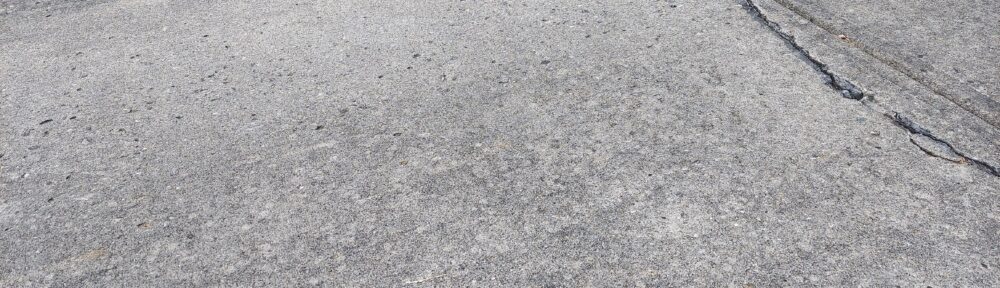
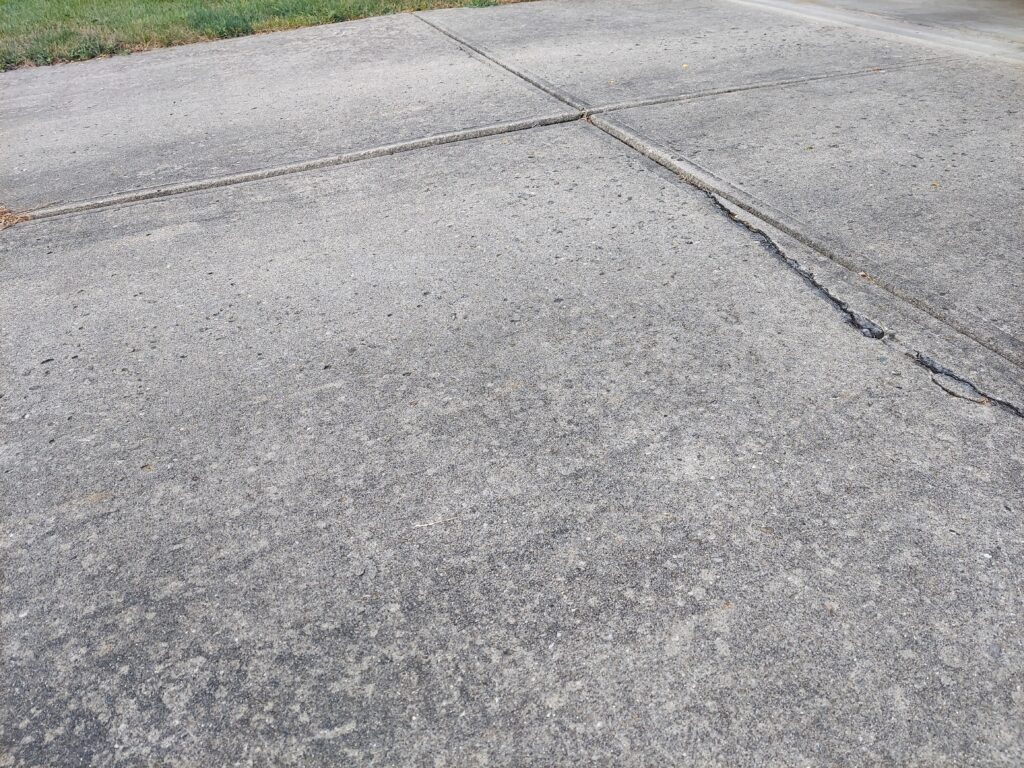
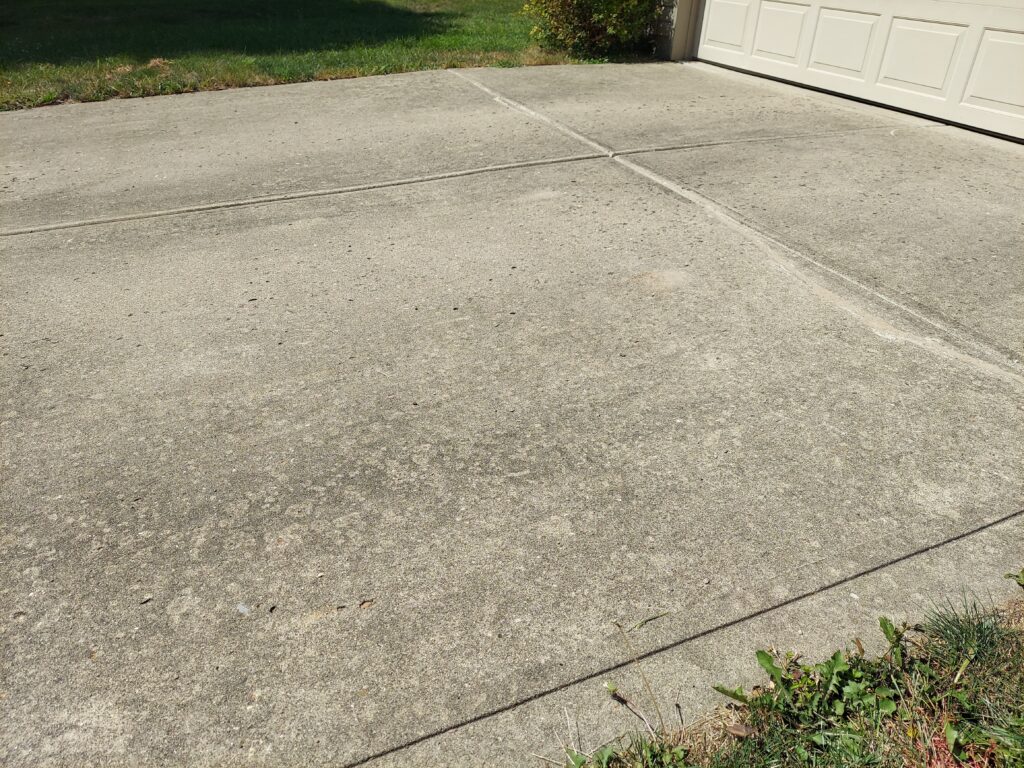
Walking out to your car in the morning shouldn’t feel like navigating an obstacle course. Yet, for many homeowners, uneven driveways and sinking sidewalks turn a simple path into a daily tripping hazard. Seeing cracks widen or slabs settle isn’t just frustrating; it’s often a source of anxiety about potential costs and property value.
Before you resign yourself to the noise and expense of a jackhammer tearing up your front yard, there is a less invasive solution worth exploring. Concrete driveway lifting—often called slab jacking or foam injection—offers a way to restore your concrete to its original level without the mess of total replacement. Understanding how this process works can save you time, money, and a significant amount of stress.
Why Concrete Driveways Sink: The Science Beneath the Slab
To fix the problem, you first need to understand what is happening underground. Concrete slabs are heavy, but they rely entirely on the soil beneath them for support. When that support system fails, the concrete has nowhere to go but down.
According to soil management experts, several factors contribute to this settlement:
- Soil Compaction and Shrinkage: Often, the soil used to backfill a foundation or driveway during construction isn’t compacted perfectly. Over time—sometimes taking 5 to 10 years—this loose soil naturally settles and compresses, creating a gap between the earth and your concrete.
- Erosion and Washout: Water is a powerful force. If your downspouts discharge near your driveway or if the grading is poor, rainwater can wash away the soil supporting your concrete.
- Freeze-Thaw Cycles: In colder climates, moisture in the ground freezes and expands, pushing the slab up. When it thaws, the soil contracts, leaving voids. Over repeated cycles, this movement destabilizes the slab.
- Burrowing Pests: Believe it or not, energetic moles or chipmunks tunneling under your walkway can displace enough soil to cause noticeable sinking.
Comparing Repair Methods: Replacement vs. Lifting
When faced with a sunken slab, the traditional instinct is often to “rip and replace.” This involves demolishing the old concrete, hauling away the debris, pouring new wet cement, and waiting days for it to cure. While sometimes necessary for severely damaged concrete, it is an incredibly disruptive and expensive process.
Concrete lifting takes a surgical approach. Instead of destroying the slab, contractors pump a material underneath it to fill the voids and hydraulically lift the concrete back into place.
Historically, this was done with “mudjacking,” which uses a mixture of sand, water, and cement. While effective, mudjacking requires drilling large holes (typically 2 to 3 inches in diameter) and adds significant weight to already compromised soil.
Modern concrete lifting typically uses polyurethane foam injection. This high-density expanding foam offers distinct advantages over both replacement and traditional mudjacking.
The Benefits of Driveway Lifting
Choosing to lift your driveway rather than replace it offers several compelling advantages that go beyond just aesthetics.
Cost-Effectiveness
For most homeowners, the budget is the deciding factor. Concrete lifting is significantly more affordable than replacement. Industry data suggests that lifting costs can be 30% to 50% less than removing and pouring a new slab. You are paying for a repair process rather than the labor-intensive removal of old material and the purchase of new concrete.
Speed and Convenience
Time is often just as valuable as money. Replacing a driveway can put it out of commission for several days while the new concrete cures and hardens. In contrast, polyurethane lifting is incredibly fast.
According to pavement preservation guides from the Federal Highway Administration, polyurethane materials cure rapidly, often allowing traffic back on the surface in as little as 15 to 30 minutes after injection. You can literally lift your driveway in the morning and park your car on it by lunch.
Environmentally Friendly
Concrete manufacturing is energy-intensive, and demolished concrete adds tons of waste to landfills. By salvaging your existing concrete, you reduce your environmental footprint. Furthermore, modern polyurethane foams are chemically inert once cured, meaning they won’t leach harmful chemicals into the soil or groundwater.
Long-Lasting Solution
Unlike the heavy grout used in mudjacking, polyurethane foam is lightweight. This is crucial because adding heavy material to soil that has already failed can sometimes cause further settling. Polyurethane is also hydrophobic, meaning it resists water and won’t wash away or erode over time, providing a stable, long-term fix.
Request a Free Driveway Lifting Estimate in Indy Now ✅
The Driveway Leveling Process: A Step-by-Step Guide
The process of driveway leveling is fascinatingly simple in concept but requires professional precision to execute correctly. Here is what you can expect when a crew arrives at your home:
1. Profiling and Drilling
First, the technicians analyze which areas of the concrete have settled. They then drill small injection holes through the slab. Unlike the large holes required for mudjacking, polyurethane injection uses holes that are only about 5/8 of an inch (16mm) in diameter—roughly the size of a penny.
2. Injection
A specialized gun injects a two-part polymer into the holes. This material is a liquid when it enters the ground, allowing it to flow easily into the deepest voids and crevices beneath the concrete.
3. Expansion and Lift
Within seconds, the liquid reacts and expands into a high-density foam. This expansion fills the voids and, as it hardens, exerts upward pressure on the slab. The technicians carefully monitor the lift, raising the concrete incrementally until it is level with the surrounding area.
4. Cleanup and Patching
Once the slab is level and the foam has cured, the small injection holes are patched with cement. Because the holes are so small, the patches are usually inconspicuous, leaving you with a smooth, safe surface.
When to Consider Concrete Lifting Service
Not every concrete problem can be solved with lifting. If your concrete is crumbled, pulverized, or has a spiderweb of deep cracks, replacement might be the only viable option. However, professional concrete lifting is the ideal solution if:
- The slab is mostly intact but has sunk on one side.
- You have distinct “trip hazards” where two sections of sidewalk meet unevenly.
- Water pools in low spots on your patio or driveway.
- Your steps have pulled away from the foundation of your house.
Finding a Reliable Concrete Lifting Contractor
Since this process requires specialized equipment and expertise, it is important to hire a professional. Look for a contractor who specializes in polyurethane injection specifically. Ask about their warranty—reputable companies often guarantee their work for several years against re-settling. Check reviews to ensure they have a history of respecting homeowners’ property and cleaning up thoroughly after the job.
Conclusion
Your home is likely your biggest investment, and maintaining its exterior is part of protecting that value. A sunken driveway isn’t just an eyesore; it’s a liability waiting to happen. By addressing settlement early through concrete lifting, you prevent further damage to your home’s foundation and eliminate dangerous tripping hazards. It is a smart, efficient way to restore safety and curb appeal without turning your life upside down.
If you are noticing uneven slabs around your home, don’t wait for the problem to get worse. Contact Us Today to get a free estimate for concrete lifting in Indianapolis and reclaim your driveway.
Related Post: How Concrete Leveling Can Save Your Sunken Driveway