Repair Your Patio in Hours with Concrete Leveling

TL;DR: Professional concrete leveling uses polyurethane foam injection to lift sunken patio slabs in just a few hours. The foam cures in about 15 minutes, allowing you to use your patio the same day—no lengthy replacement projects required.

Key Takeaways:

  • Concrete leveling repairs sunken patios without demolition or replacement
  • Most projects are completed in a few hours with same-day usability
  • Polyurethane foam cures in approximately 15 minutes
  • Costs typically range from 30-50% less than full replacement
  • The process addresses underlying soil issues to prevent future settling

Table of Contents:

  1. What is Professional Concrete Patio Leveling?
  2. Signs Your Patio Needs Leveling
  3. The Step-by-Step Leveling Process
  4. Why Concrete Leveling is Faster Than Replacement
  5. Frequently Asked Questions
  6. Quick Recap
  7. Get a Free Estimate in Indianapolis
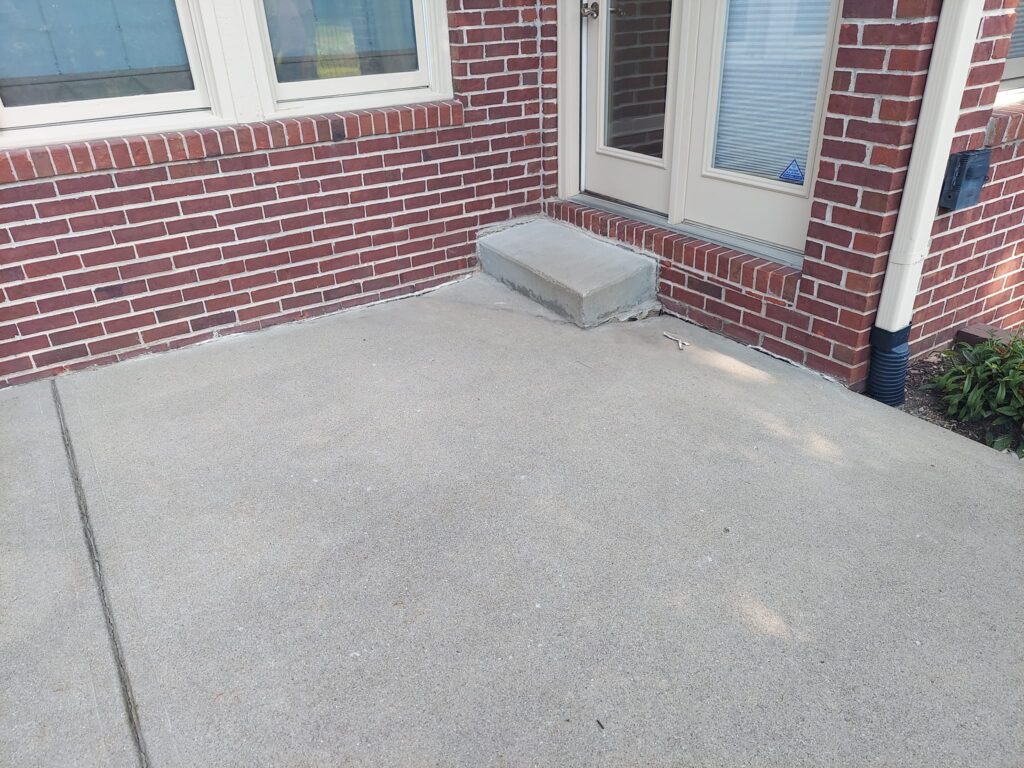
Concrete Patio Leveling - Before
Concrete Patio Leveling – Before

What is Professional Concrete Patio Leveling?

Professional concrete patio leveling, also known as polyurethane foam injection or polyjacking, is a repair method that lifts and stabilizes sunken concrete slabs without replacement. This process involves drilling small holes into your patio surface and injecting expanding polyurethane foam beneath the slab. The foam fills voids in the soil, lifts the concrete back to its original position, and stabilizes the area to prevent future settling.

Unlike traditional mudjacking, which uses a heavy slurry mixture, polyurethane foam is lightweight and expands quickly. This modern approach addresses the root cause of the problem—unstable or eroded soil beneath your patio—rather than simply covering up the symptoms.

The technique works for various outdoor concrete surfaces, including patios, pool decks, sidewalks, and driveways. It’s particularly effective when your concrete is structurally sound but has settled due to soil issues.

Signs Your Patio Needs Leveling

Recognizing the warning signs early can help you address porch or patio settlement before it becomes a more serious problem.

  • Visible settling or sinking is the most obvious indicator. If sections of your patio sit lower than they once did, or if there are noticeable height differences between slabs, the soil beneath has likely shifted or eroded.
  • Pooling water after rain is another red flag. Water should drain away from your home and off your patio surface. When water collects in low spots, it indicates uneven settling that can lead to further damage over time.
  • Trip hazards develop when adjacent concrete slabs settle at different rates, creating lips or steps between sections. These uneven surfaces pose safety risks for family members and guests.
  • Cracks may appear as your patio settles. While not all cracks indicate major problems, they often accompany settling and can worsen as movement continues.
  • Gaps between your patio and foundation suggest that the concrete has pulled away from your home as it settled. This separation can allow water to seep toward your foundation, potentially causing more extensive damage.

If you notice any of these signs, professional patio leveling can restore your patio’s safety and appearance before the problem escalates.

The Step-by-Step Leveling Process

Understanding what happens during a concrete leveling project can help you know what to expect.

Assessment and preparation begins with a thorough inspection of your patio. Technicians evaluate the extent of settling, identify underlying causes, and determine the best injection points. This planning phase ensures precise lifting and long-lasting results.

Drilling injection holes comes next. Small holes, typically about the size of a pea (less than one inch in diameter), are drilled at strategic locations in the concrete. These holes serve as entry points for the polyurethane foam and are far less invasive than the process required for concrete replacement.

Injecting polyurethane foam is where the transformation happens. A specialized injector pumps the two-part foam mixture through the holes and beneath the slab. As the components mix, the foam expands to fill voids, lift the concrete, and stabilize loose soil. The expansion occurs quickly, often within 15 minutes, and can raise the slab precisely to its original level.

Curing and cleanup follows immediately. The polyurethane foam reaches approximately 90% of its strength within 15 minutes of injection. Once the lifting is complete, technicians patch the small injection holes with a color-matched material and clean the work area. Most projects leave minimal visible evidence of the repair.

The entire process for a typical residential patio or porch usually takes just a few hours from start to finish. You can walk on the surface almost immediately, and heavier loads can be supported within an hour or two.
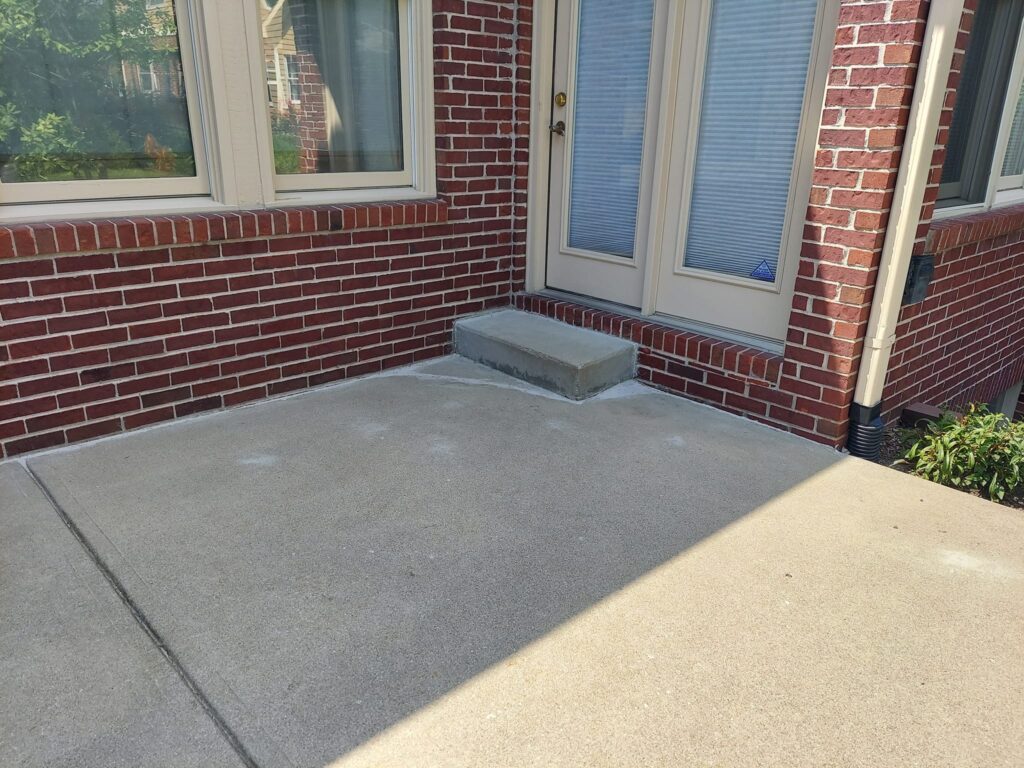
Concrete Patio Leveling - After
Concrete Patio Leveling – After

Why Concrete Leveling is Faster Than Replacement

The time difference between concrete leveling and full replacement is substantial, making leveling the clear choice when speed matters.

Curing Times

Replacement requires extensive curing time. According to Penn State’s Department of Civil & Environmental Engineering, newly poured concrete should cure for a minimum of 7 days in most cases, or at least 3 days with high-early-strength concrete mixes—and only when weather conditions cooperate. During this period, you cannot use the surface, and factors like temperature and humidity can extend the timeline even further.

Leveling eliminates the curing wait. Polyurethane foam used in professional concrete leveling cures in about 15 minutes. Most residential projects are completed within a few hours, and you can typically use your patio the same day. There’s no multi-day shutdown, no waiting for concrete to harden, and no extended disruption to your outdoor living space.

Demolition and Disposal

Replacement involves demolition and disposal. Tearing out old concrete, hauling it away, preparing the base, pouring new concrete, and finishing the surface takes days or even weeks. Each step adds time and complexity to the project.

Leveling preserves your existing patio. If your concrete is structurally sound but simply settled, there’s no need to destroy it. The foam injection process works with what you already have, saving time, money, and the hassle of a major construction project.

For Indianapolis homeowners facing freeze-thaw cycles and expansive clay soils, the speed of concrete leveling offers a practical advantage. You can address settling issues quickly without losing use of your outdoor space during peak seasons.

Frequently Asked Questions

How long does polyurethane foam concrete leveling last?

When properly installed, polyurethane foam concrete leveling provides long-term stability. The foam material resists moisture, erosion, and temperature fluctuations. Industry testing indicates less than 2% degradation over 20 years. Most professional concrete repair companies offer warranties ranging from one to five years, provided site drainage and soil conditions remain unchanged.

Can concrete leveling be done in cold weather or during Indianapolis winters?

Yes, concrete leveling can be performed in various weather conditions. Light rain rarely stops foam injection, though severe storms may shift schedules. The polyurethane foam used in professional leveling is designed to cure effectively across a range of temperatures. Reputable contractors plan for weather contingencies and will reschedule if conditions aren’t suitable for quality work.

How does concrete leveling address freeze-thaw damage?

Concrete leveling doesn’t repair surface cracks caused by freeze-thaw cycles, but it does eliminate the underlying settlement that contributes to water infiltration and further damage. Many contractors bundle crack sealing or joint repair with leveling services to provide comprehensive protection. By stabilizing the slab and improving drainage, leveling helps prevent water from pooling and freezing beneath your patio.

What causes concrete patios to settle in the Indianapolis area?

Settlement typically occurs due to soil shrinkage, poor compaction, erosion, or water infiltration beneath the slab. Indianapolis sits on expansive clay soils that swell when wet and shrink during dry periods. This constant movement creates voids beneath concrete surfaces, leading to settlement. Proper drainage and stable soil support are essential for preventing ongoing issues.

How much does concrete patio leveling cost?

Concrete leveling typically costs between $5 and $25 per square foot, depending on factors like the size of the area, depth of voids beneath the slab, soil conditions, and accessibility. On average, homeowners can expect to pay 30-50% less than the cost of full concrete replacement, which can exceed $40 per square foot when including demolition and disposal. Most contractors offer free inspections and detailed estimates before beginning work.

Quick Recap:

  • Fast turnaround: Most patio leveling projects are completed in just a few hours
  • Same-day use: Polyurethane foam cures in approximately 15 minutes, allowing immediate use
  • Cost-effective: Leveling costs 30-50% less than full concrete replacement
  • Minimal disruption: Small injection holes and no demolition mean less mess and hassle
  • Addresses root causes: Fills voids and stabilizes soil to prevent future settling
  • Preserves existing concrete: No need to tear out structurally sound slabs
  • Long-lasting results: High-quality foam resists moisture and temperature changes for years

Restore Your Patio’s Safety and Beauty

A sunken or uneven patio doesn’t have to remain a problem. Professional concrete leveling offers a fast, affordable solution that restores both the appearance and safety of your outdoor space.

If you’ve noticed settling, pooling water, or trip hazards on your patio, addressing these issues sooner rather than later can prevent more extensive damage down the road. The right repair method saves you time, money, and the inconvenience of a lengthy construction project.

Ready to fix your patio and enjoy your outdoor space again? Contact our trusted professionals for concrete patio leveling and lifting services in Indianapolis and surrounding areas. Get a free inspection and discover how quickly your patio can be restored.

Call Now to Inquire

Related Post: Concrete Lifting for Patios: Restore Your Outdoor Space in Hours
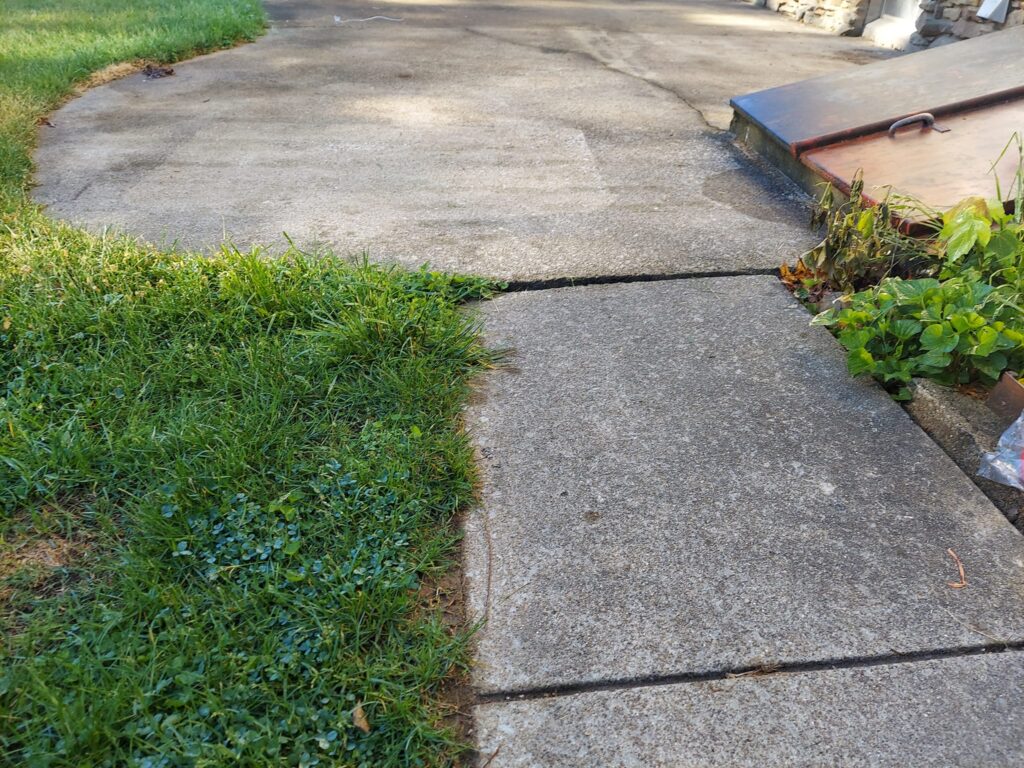
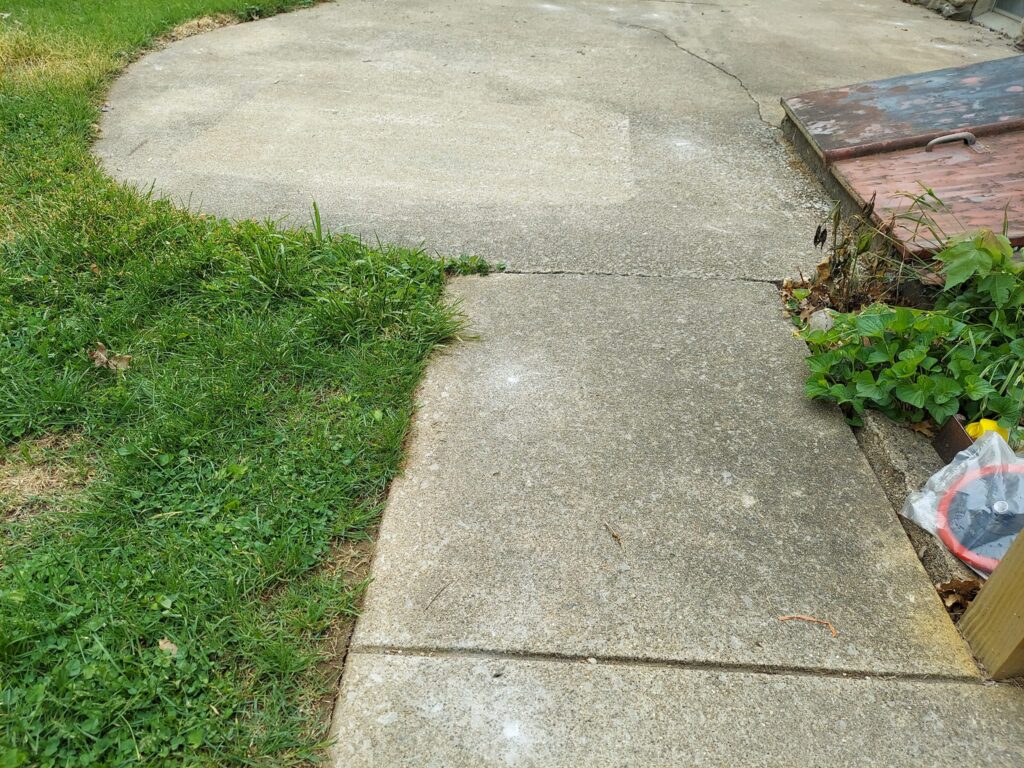
Sidewalk Lifting: An Eco-Friendly Solution to Repairing Sunken Walkways

TL;DR: Concrete leveling using hydrophobic foam is a fast, affordable, and durable solution. It eliminates the need for costly concrete replacement by filling dime-sized holes that blend seamlessly with your existing sidewalk. This clean and eco-friendly method resists water, avoids heavy machinery, and keeps your concrete out of the landfill.

Key Takeaways:

  • Polyurethane foam injection is a cost-effective solution for lifting and leveling concrete sidewalks.
  • The process is quick, minimally invasive, and environmentally friendly.
  • It can prevent further damage, improve safety, and enhance property value.

Table of Contents:

  1. What is Polyurethane Foam Injection?
  2. Why Choose Polyurethane for Sidewalk Lifting?
  3. The Benefits of Polyurethane Foam Injection
  4. Is Polyurethane Foam Injection Right for You?
  5. The Polyurethane Foam Injection Process
  6. Sidewalk Lifting Cost Guide
  7. DIY vs. Professional Sidewalk Leveling
  8. Frequently Asked Questions
  9. Quick Recap
  10. Conclusion

Walking down your own driveway or sidewalk shouldn’t feel like an obstacle course. Yet, for many homeowners in Indianapolis and beyond, uneven concrete slabs turn a simple stroll into a tripping hazard. Whether it’s caused by soil erosion, tree roots, or just the natural settling of the earth, sunken concrete is an eyesore that can lower property value and create safety liabilities.

If you’re staring at a jagged crack in your walkway, you might be dreading the cost and chaos of tearing it all out to pour new cement. But there is a smarter, faster, and cleaner alternative.

Polyurethane foam injection—often called “polyjacking”—is transforming how we repair residential concrete. It’s a modern solution that fixes the problem at its source without the heavy machinery or week-long cure times of traditional replacement. This guide explores everything you need to know about lifting your sunken sidewalk, from how the technology works to why it’s often the smartest investment for your home.

What is Polyurethane Foam Injection?

Polyurethane foam injection is a concrete lifting method that raises sunken slabs back to their original position using a high-density, expanding polymer.

The concept is surprisingly simple but highly effective. It involves drilling tiny holes (about the size of a dime) into the sunken concrete. Through these ports, a two-part polymer liquid is injected into the soil beneath. Once the liquid combines, a chemical reaction occurs almost instantly. The material expands into a rigid foam, filling the voids caused by soil erosion or settling.

As the foam expands, it exerts upward pressure, gently lifting the heavy concrete slab back to a level position. Once the lift is complete, the foam cures within minutes, creating a permanent, water-resistant base that supports the walkway.

Why Choose Polyurethane for Sidewalk Lifting?

For decades, the standard method for lifting concrete was “mudjacking”—a process that pumps a slurry of cement, sand, and water under the slab. While mudjacking can work, polyurethane foam offers distinct advantages that make it the superior choice for modern homes.

Lightweight Stability

Mudjacking adds significant weight to the soil beneath your concrete—often 100 pounds per cubic foot. If your soil settled because it couldn’t support the weight of the original concrete, adding more heavy material often leads to the same problem recurring later.

Polyurethane foam is incredibly lightweight, weighing only about 2 to 4 pounds per cubic foot. It provides the necessary support without burdening the already compromised soil.

Water Resistance

One of the main enemies of concrete stability is water. Rain and drainage issues wash away soil, creating the voids that cause sinking. Unlike the cement slurry used in mudjacking, polyurethane foam is hydrophobic. It does not wash away, shrink, or degrade when exposed to moisture. In fact, it acts as a barrier, preventing water from eroding the soil beneath your sidewalk in the future.

The Benefits of Polyurethane Foam Injection

Choosing foam injection isn’t just about fixing a crack; it’s about choosing a solution that respects your time, property, and the environment.

Cost-Effectiveness

Tearing out and replacing concrete is expensive and labor-intensive. Polyurethane lifting typically costs 50% to 70% less than the price of a full replacement. You get the same level surface without the heavy price tag.

Speed and Convenience

Concrete replacement requires days of curing time where you can’t use your walkway. In contrast, polyurethane foam cures in about 15 minutes. You can walk on your sidewalk immediately after the crew leaves.

Minimal Disruption

Because the injection holes are so small (roughly 5/8 of an inch), they are barely noticeable once patched. There is no heavy equipment driving over your lawn and no loud jackhammers disturbing the neighborhood.

Environmentally Friendly

The material used is chemically inert once cured, meaning it won’t leach harmful chemicals into the soil or groundwater. Additionally, by saving your existing concrete, you are keeping perfectly good slabs out of landfills.

Is Polyurethane Foam Injection Right for You?

While foam injection is a versatile solution, it is important to know if it applies to your specific situation. This method is ideal for:

  • Uneven Joints: If one slab has sunk lower than the adjacent one, creating a “toe-stubber.”
  • Hollow Sounds: If your concrete sounds hollow when tapped, it indicates voids underneath that need filling before the slab cracks.
  • Drainage Issues: If water pools on your walkway because the slope has shifted toward your foundation.
  • Stabilization: If slabs rock or move when you walk on them.

When is it NOT the right fit?

If the concrete is pulverized, crumbling into gravel, or has extensive spiderweb cracking, lifting it won’t solve the structural failure. In these cases, replacement is usually the only option.

The Polyurethane Foam Injection Process

Understanding the process can alleviate any anxiety about the repair. Here is what you can expect when professionals arrive at your home:

  1. Assessment: The technicians evaluate the drainage, the condition of the concrete, and the cause of the settling. Get a free estimate in Indianapolis with EcoLift LLC.
  2. Drilling: Small, unobtrusive holes are drilled strategically through the concrete slab.
  3. Injection: A specialized gun injects the two-part polymer into the holes. The technicians monitor the lift in real-time to ensuring the slab rises evenly.
  4. Leveling: The injection continues until the slab aligns perfectly with the surrounding concrete.
  5. Cleanup: The holes are patched with a cement mixture that matches your existing concrete as closely as possible, and the site is swept clean.

Sidewalk Lifting Cost Guide

Every project is unique, but understanding the pricing model helps you budget accordingly. Most professional companies price polyurethane lifting based on the amount of foam material required to fill the voids and lift the slab, rather than just the square footage of the concrete.

Generally, you can expect costs to range between $5.00 and $25.00 per square foot of lifted area, depending on the depth of the void. While this is an estimate, it remains significantly cheaper than the $15 to $30+ per square foot often charged for removing and pouring new concrete.

Note: Always ask for a free, detailed quote. Reputable sidewalk lifting contractors will be transparent about how they calculate their fees.

DIY vs. Professional Sidewalk Leveling

In the age of internet tutorials, it is tempting to look for a DIY fix. You might see “canned foam” solutions at the hardware store, but proceeding with caution is advised.

The Risks of DIY

Consumer-grade foam lacks the density and compressive strength needed to support heavy concrete slabs. Furthermore, without hydraulic equipment and professional training, it is easy to “over-lift” a slab, causing it to crack or create a new high spot that is impossible to lower.

The Professional Advantage

Professionals use industrial-grade polymers designed specifically for load-bearing applications. They have the experience to control the expansion rate of the foam and ensure the slab is leveled within a fraction of an inch. Hiring a pro ensures the repair is done safely and correctly, often backed by a warranty that DIY methods cannot offer.

Frequently Asked Questions

How long does the repair last?

Polyurethane foam is built to last indefinitely. It does not decompose or break down in the soil. Barring significant new soil erosion issues (like a burst pipe washing away the earth deep below the foam), the repair often lasts for the lifespan of the concrete itself—potentially 20 years or more.

Is the material toxic?

No. While the liquid components are chemicals, once they react and cure (which happens in seconds), the resulting foam is chemically inert, non-toxic, and safe for the environment.

Will the injection holes be visible?

The holes are roughly the size of a dime. Once patched with cement, they blend in well with the existing concrete. Over time, as the patch weathers, they become even less noticeable.

Quick Recap:

  • Fast: Walk on your sidewalk in minutes, not days.
  • Affordable: Costs roughly half of concrete replacement.
  • Durable: Hydrophobic foam resists water and won’t wash away.
  • Clean: No heavy machinery or mess on your lawn.
  • Smart: Saves your existing concrete from the landfill.

Restore Your Curb Appeal Today

Your home is likely your biggest investment, and maintaining its safety and appearance is crucial. Sunken sidewalks are more than just a cosmetic annoyance; they are a safety hazard waiting to happen.

Polyurethane foam injection offers a solution that makes sense for the modern homeowner. It is efficient, cost-effective, and provides a permanent fix to a shifting problem. Don’t let uneven concrete detract from your home’s beauty or safety any longer.

Contact us today for professional sidewalk leveling and lifting in Indianapolis, Indiana! Let’s get your walkways back on solid ground.

Call Now for a Free Estimate

Related Post: Sidewalk Safety: Why Concrete Lifting is the Best Fix for Trip Hazards