
A crack running across your basement floor. A subtle dip that wasn’t there last year. Water pooling in the corner after heavy rain. These aren’t just cosmetic annoyances—they’re warning signs that your basement floor is shifting, and if left unaddressed, the problem will only get worse.
Sinking and uneven basement floors are more common than most homeowners realize, particularly in Indianapolis, where clay-rich soils and seasonal freeze-thaw cycles put constant pressure on concrete slabs. Beyond being an eyesore, an uneven floor can compromise your home’s structural integrity, create safety hazards, and reduce your property value.
The good news? You don’t need to tear out your entire basement floor to fix it. Foam concrete leveling—also known as polyurethane foam injection—offers a fast, durable, and cost-effective solution that can restore your basement floor without the mess or expense of full replacement.
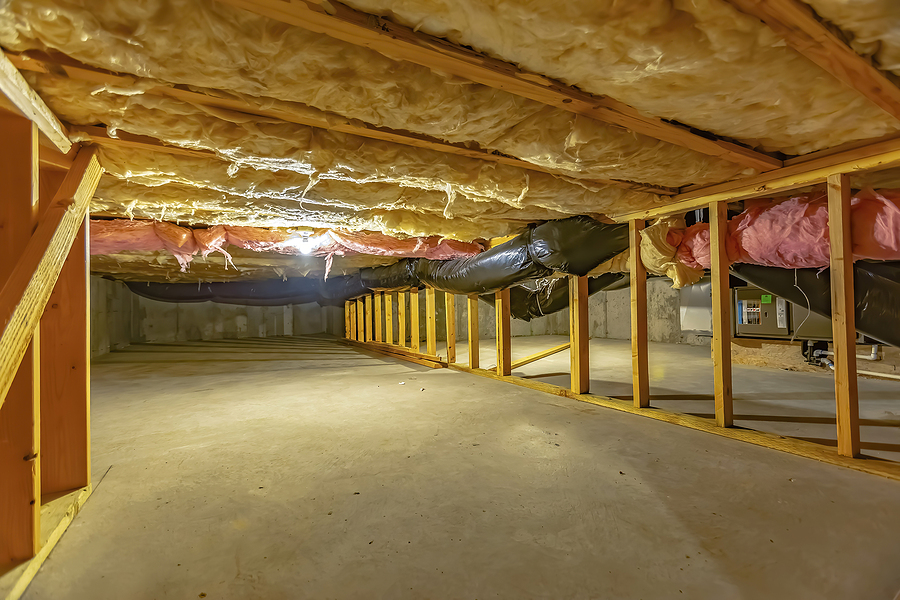
What Causes Basement Floors to Sink or Become Uneven?
Concrete is strong, but it’s only as stable as the ground beneath it. When that foundation shifts, the slab follows. Several factors can trigger this movement.
Soil Settlement and Compaction Over Time
Most basement floors are poured onto compacted fill soil. Over the years, that soil can compress unevenly—especially if it wasn’t properly compacted during initial construction. Heavy appliances, storage, and even normal foot traffic can accelerate this process, creating voids beneath the slab that cause sections to sink.
Poor Drainage and Water Damage
Water is the most common culprit behind sinking basement floors. Poor exterior drainage, clogged gutters, and plumbing leaks can all cause water to accumulate beneath the slab. Over time, this erodes the soil, creating hollow pockets that leave the concrete without adequate support.
Hydrostatic pressure is another concern. When soil becomes saturated, the water pressure it exerts against the basement slab can cause cracking and gradual settlement.
Expansive Clay Soils
Indianapolis sits on clay-heavy soil that swells when wet and shrinks when dry. This constant expansion and contraction creates ongoing movement beneath your foundation—and your basement floor bears the brunt of it.
Tree Roots and General Erosion
Nearby trees can extend roots beneath your foundation, slowly displacing soil and creating uneven pressure points beneath the slab. Combined with natural erosion from wind and water, these forces can destabilize even a well-constructed basement floor over time.
Traditional Repair Methods vs. Foam Concrete Leveling
When a basement floor starts to sink, homeowners typically face three options: mudjacking, full concrete replacement, or foam concrete leveling. The differences between these methods are significant.
Full concrete replacement is the most invasive and expensive route. It involves demolishing the existing slab, removing the debris, and pouring new concrete—a process that can disrupt your home for days and cost substantially more than repair alternatives. According to A-1 Concrete Leveling, concrete leveling typically saves homeowners 50–70% compared to full replacement.
Mudjacking is a traditional method that pumps a heavy cement-based slurry beneath the slab. It’s cheaper upfront than foam leveling, but it comes with real drawbacks. The slurry weighs approximately 100–150 lbs per cubic foot, which adds significant stress to already weakened soil. Mudjacking also requires large 1–2 inch injection holes and takes 1–3 days to cure. Most importantly, mudjacking repairs typically last only 2–5 years before the slab begins to re-settle.
Foam concrete leveling addresses all of these shortcomings. The polyurethane foam weighs just 2–4 lbs per cubic foot, cures in 15–30 minutes, requires only small ⅝-inch injection holes, and can last 10 years or more. For basement floors in Indianapolis homes, where soil conditions can be challenging, the lightweight and water-resistant properties of foam leveling make it the stronger long-term choice.
How Foam Concrete Leveling Works
The foam concrete leveling process is straightforward, minimally invasive, and can typically be completed in just a few hours.
Step 1: Assessment and Drilling
A technician first inspects the basement floor to map out the areas of settlement and identify where voids exist beneath the slab. Small ⅝-inch holes—roughly the size of a dime—are then drilled at strategic points across the affected areas.
Step 2: Foam Injection
A two-part high-density polyurethane foam is injected through the holes beneath the slab. As the two components combine, a controlled chemical reaction begins.
Step 3: Expansion and Lifting
The foam expands rapidly, filling voids, compressing and stabilizing weak soils, and gently lifting the concrete slab back toward its original position. Technicians monitor the lift carefully, adjusting injection points as needed to achieve a level surface.
Step 4: Curing and Cleanup
The foam cures within 15–30 minutes. The small injection holes are patched, and your basement floor is ready for use almost immediately—no lengthy downtime, no major disruption to your household.
Benefits of Foam Concrete Leveling
Long-Lasting Durability
Polyurethane foam is hydrophobic, meaning it repels water rather than absorbing it. Unlike mudjacking slurry, it won’t wash out, shrink, or break down through freeze-thaw cycles. Many foam leveling repairs last 10 years or more.
Significant Cost Savings
Foam concrete leveling costs considerably less than full slab replacement. According to industry data, foam leveling for interior floors runs approximately $5–$25 per square foot, compared to the far higher cost of demolishing and pouring new concrete.
Minimal Downtime
One of the most practical advantages of foam leveling is how quickly it’s completed. Most basement floor repairs wrap up within a few hours, and the floor can handle foot traffic within 30 minutes of completion. There’s no waiting days for materials to cure.
Prevents Further Structural Damage
By filling voids and stabilizing the soil beneath the slab, foam leveling doesn’t just fix the visible problem—it addresses the underlying cause. This reduces the risk of ongoing settlement and protects the structural integrity of your home.
Signs Your Basement Floor Needs Leveling
Catching basement floor problems early leads to simpler, less costly repairs. Watch for these warning signs:
- Visible cracks: Long, widening cracks across the floor surface—especially ones that appear or grow after heavy rain—indicate active soil movement.
- Uneven or sloping surfaces: If water pools in certain spots, or objects roll across the floor on their own, you likely have areas of significant settlement.
- Soft or “bouncy” spots: A floor that feels hollow or slightly springy underfoot suggests voids have formed beneath the slab.
- Sticking doors and windows: When a basement floor shifts, it can cause subtle structural movement that affects door and window frames on upper levels.
- Gaps between the floor and walls: Separation at the base of walls or baseboards points to differential movement between your floor slab and foundation walls.
If you’re noticing one or more of these signs in your Indianapolis home, it’s worth getting a professional basement floor leveling assessment sooner rather than later. The longer sinking floors go untreated, the more extensive—and expensive—the repair becomes.
Frequently Asked Questions
How long does foam concrete leveling last?
When properly installed and combined with good drainage practices, polyurethane foam leveling can last 10 years or more. The foam is water-resistant and resistant to freeze-thaw cycles, which gives it a significant longevity advantage over traditional mudjacking (which typically lasts 2–5 years).
Is foam concrete leveling safe for my home?
Yes. Polyurethane foam used in concrete leveling is formulated to be stable and non-reactive once cured. The injection process is minimally invasive and does not require heavy equipment that could damage your home or landscaping.
What does foam concrete leveling typically cost?
Costs vary depending on the size of the affected area and the extent of the voids beneath the slab. Foam leveling for interior floors generally runs $5–$25 per square foot. A professional inspection will provide the most accurate estimate for your specific situation.
Give Your Basement Floor the Support It Deserves
A sinking basement floor isn’t a problem you can afford to ignore. Left untreated, what starts as a hairline crack or a subtle dip can escalate into structural damage, water intrusion, and costly repairs that far exceed the price of early intervention.
Foam concrete leveling offers Indianapolis homeowners a proven, minimally invasive way to restore uneven basement floors—without the cost or disruption of full replacement. It’s fast, durable, and built to last.
EcoLift Concrete Leveling LLC serves homeowners across Indianapolis, Indiana with expert foam concrete leveling services. If your basement floor is showing signs of settlement, contact us today for a free inspection and get your home back on solid ground.
Related Posts:
A Guide to Basement Leveling: Get a Smooth, Usable Space
Concrete Leveling vs. Replacement: Which Option is Right for You?