
A cracked tennis court does more than look worn—it changes how the ball bounces, where players plant their feet, and how safe the surface really is. Even a small hairline crack can widen over time, letting moisture seep in and accelerate damage with every freeze and thaw cycle.
Whether you manage a private club, a municipal park, or a backyard court, repairing cracks promptly protects your investment. A well-maintained surface plays truer, lasts longer, and keeps athletes safe from trips and falls. Left unaddressed, though, small cracks can spread into larger structural problems that require a full resurfacing or replacement.
This guide walks through why concrete tennis courts crack, how to tell the difference between minor and serious damage, and which repair method fits your situation—from a simple DIY fix to a call for professional help.
What Causes Cracks in Concrete Tennis Courts
Concrete is durable, but it’s not invincible. Several factors contribute to cracking over time.
Freeze-Thaw Cycles and Weather Exposure
Water that seeps into tiny pores in the concrete expands when it freezes, then contracts as it thaws. Repeated cycles of this expansion and contraction stress the surface until cracks form. Courts in regions with cold winters and humid summers, like much of the Midwest, are especially prone to this kind of damage.
Heavy Use and Impact Stress
Constant foot traffic, repetitive bouncing, and the sheer weight of players moving across the surface all add up. Over years of regular play, this repeated stress can cause small fractures that eventually become visible cracks.
Poor Initial Installation or Subbase Issues
A court is only as strong as what lies beneath it. If the subbase wasn’t compacted properly or the concrete was poured too thin, the surface is more likely to shift and crack prematurely—sometimes within just a few years of installation.
Age-Related Deterioration
Like any outdoor structure, concrete naturally degrades with age. Sun exposure, temperature swings, and years of wear all take a cumulative toll, making older courts more susceptible to cracking even with proper maintenance.
Types of Cracks and Their Severity
Not all cracks are created equal. Knowing what you’re dealing with helps determine the right fix.
Surface Cracks: Hairline and Shallow Damage
These are thin, shallow cracks that affect only the top layer of concrete. They’re typically cosmetic at first, but if ignored, they can let water in and worsen over time.
Structural Cracks: Deep Fissures Affecting Court Integrity
Structural cracks run deeper and often indicate a problem with the subbase or the concrete slab itself. These cracks can cause uneven surfaces, trip hazards, and unpredictable ball bounces, making them a safety concern as well as a cosmetic one.
Pattern Cracks: Multiple Interconnected Breaks
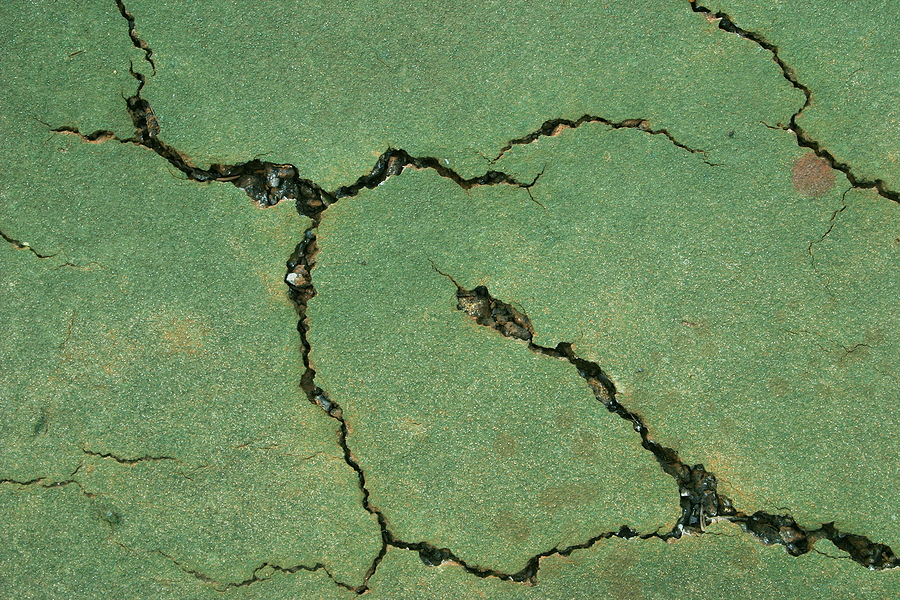
When several cracks branch off and connect, forming a web-like pattern, it’s usually a sign of widespread stress on the court. Pattern cracking often points to a larger underlying issue, such as poor drainage or a failing base layer.
DIY Repair Methods for Minor Cracks
If you’re dealing with hairline or shallow surface cracks, a DIY repair can be a cost-effective short-term solution.
Cleaning and Preparing the Crack
Start by removing debris, dirt, and loose concrete from the crack using a wire brush or pressure washer. A clean surface helps any filler or sealant bond properly.
Using Concrete Crack Filler or Sealant
For hairline cracks, a flexible concrete crack filler or sealant works well. These products are designed to expand and contract with temperature changes, helping prevent the crack from reopening.
Applying Epoxy for Stronger Bonding
For slightly wider cracks, epoxy injections offer a stronger, more durable bond than standard filler. Epoxy fills the crack completely and helps restore some structural strength to the surface.
Finishing and Curing Properly
Once the filler or epoxy is applied, allow it to cure fully before resuming play—typically 24 to 48 hours, depending on the product and weather conditions. Rushing this step can compromise the repair.
When to Call a Professional
DIY fixes work for minor cosmetic cracks, but some situations call for professional sports court leveling.
Signs That Cracks Require Professional Intervention
Watch for cracks wider than a quarter-inch, cracks that keep returning after DIY repair, uneven or sunken sections of the court, or multiple interconnected cracks spreading across the surface. These are signs of a deeper structural issue that a surface-level fix won’t solve.
Benefits of Professional-Grade Repair Solutions
Professionals use specialized equipment and materials, like high-strength polymer injections and precision leveling tools, to address the root cause of cracking rather than just masking it. This leads to longer-lasting repairs and a safer playing surface.
Cost Considerations for Different Repair Approaches
DIY repairs are the cheapest option upfront, often costing less than $100 in materials for small cracks. Professional repairs cost more but address structural problems that DIY fixes can’t, potentially saving money over time by preventing the need for a full court replacement.
Professional Repair Options
When cracks go beyond a simple fix, professional contractors offer several solutions depending on the severity of the damage.
Concrete Resurfacing and Overlay Applications
Resurfacing involves applying a new layer of material over the existing concrete, smoothing out cracks and restoring an even playing surface. This option works well for courts with widespread surface cracking but a stable subbase.
Full Court Replacement When Necessary
If the subbase has failed or structural cracks have compromised the integrity of the entire court, a full replacement may be the only lasting solution. While it’s the most expensive option, it ensures a safe, level surface built to last.
Preventative Maintenance to Avoid Future Damage
Regular maintenance, like sealing the surface every few years and promptly addressing small cracks, helps prevent minor issues from becoming major repairs. Scheduling periodic inspections can catch problems early, before they affect play.
Frequently Asked Questions
How long do concrete crack repairs last?
Minor filler or sealant repairs typically last one to three years, depending on weather exposure and court usage. Professional epoxy injections and resurfacing jobs can last significantly longer, often five to ten years or more, when combined with regular maintenance.
Can I play tennis while repairs are ongoing?
It depends on the scope of the repair. Minor crack filling may only require a day or two of downtime for curing, while resurfacing or replacement projects typically take the entire court out of commission for several days to a few weeks.
What’s the cost range for tennis court repairs?
DIY crack filling can cost under $100 for materials, while professional repairs range from a few hundred dollars for epoxy injections to several thousand for resurfacing. Full court replacement costs vary widely based on size and site conditions.
How often should I maintain my concrete court?
Most courts benefit from a visual inspection at least once a year, with resealing recommended every two to three years depending on climate and usage. Catching small cracks early makes repairs simpler and less costly.
Protect Your Court Before Small Cracks Become Big Problems
Cracks in a concrete tennis court rarely stay small for long. What starts as a hairline fracture can widen into a safety hazard or a costly structural repair if left unattended. Addressing damage early, whether with a simple DIY fix or a professional-grade solution, keeps your court safe, playable, and built to last.
If your court’s cracks go beyond a quick patch job, the team at EcoLift Concrete Leveling LLC in Indianapolis, Indiana, can help. Contact us today for an expert assessment and a repair plan tailored to your court’s needs.
Related Posts:
Fix Your Unlevel Concrete Basketball Court the Right Way
Top 5 Signs Your Concrete Needs Leveling or Lifting
How Polyurethane Foam Revolutionizes Concrete Lifting